





In an era defined by global uncertainty, the quest for personal wellness has evolved from a matter of individual preference to a cornerstone of public health strategy. As the world navigates the lingering echoes of the COVID-19 pandemic—a period that introduced unprecedented challenges regarding food security, financial stability, and mental health—the spotlight has turned toward the foundational pillars of human health.
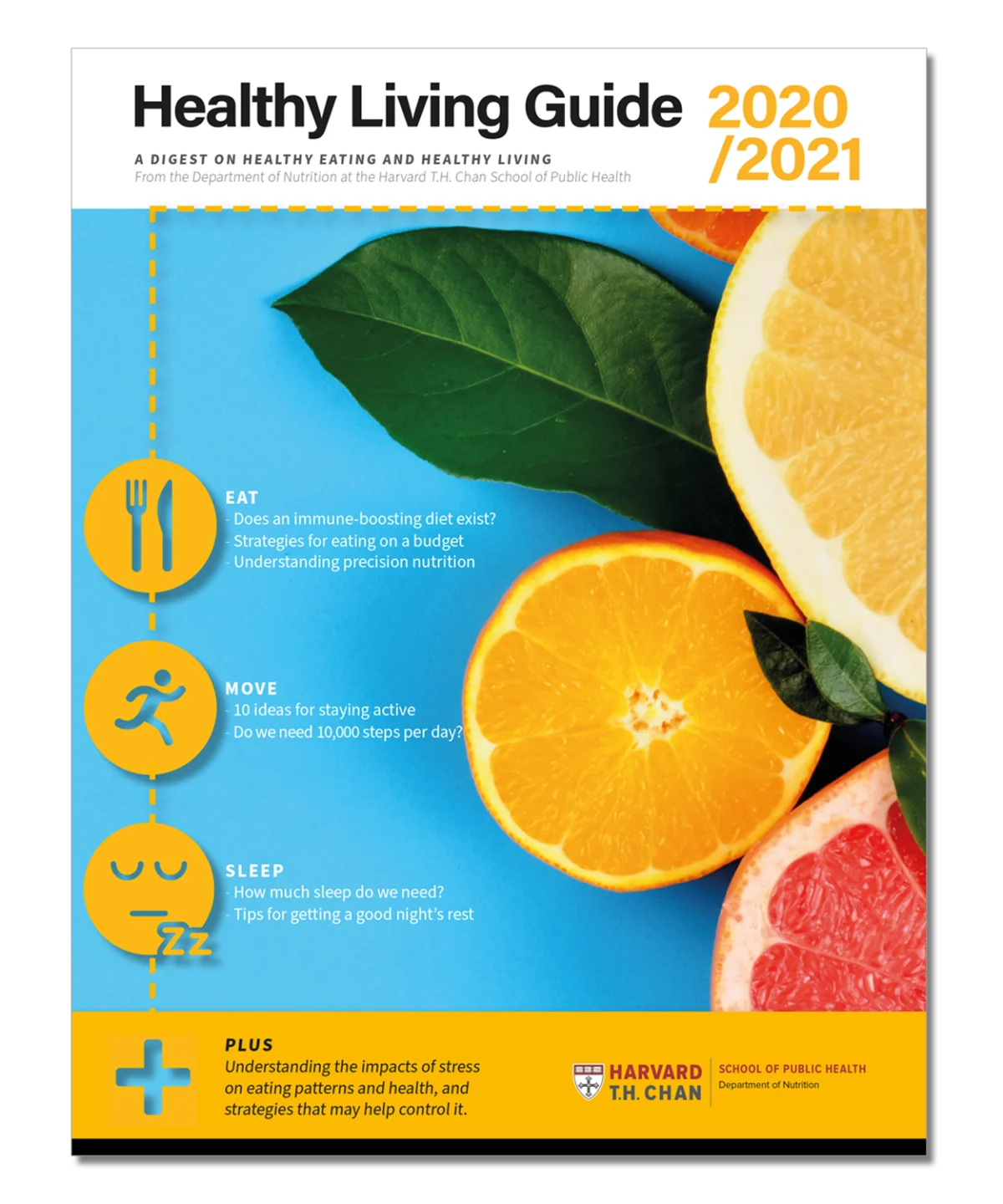
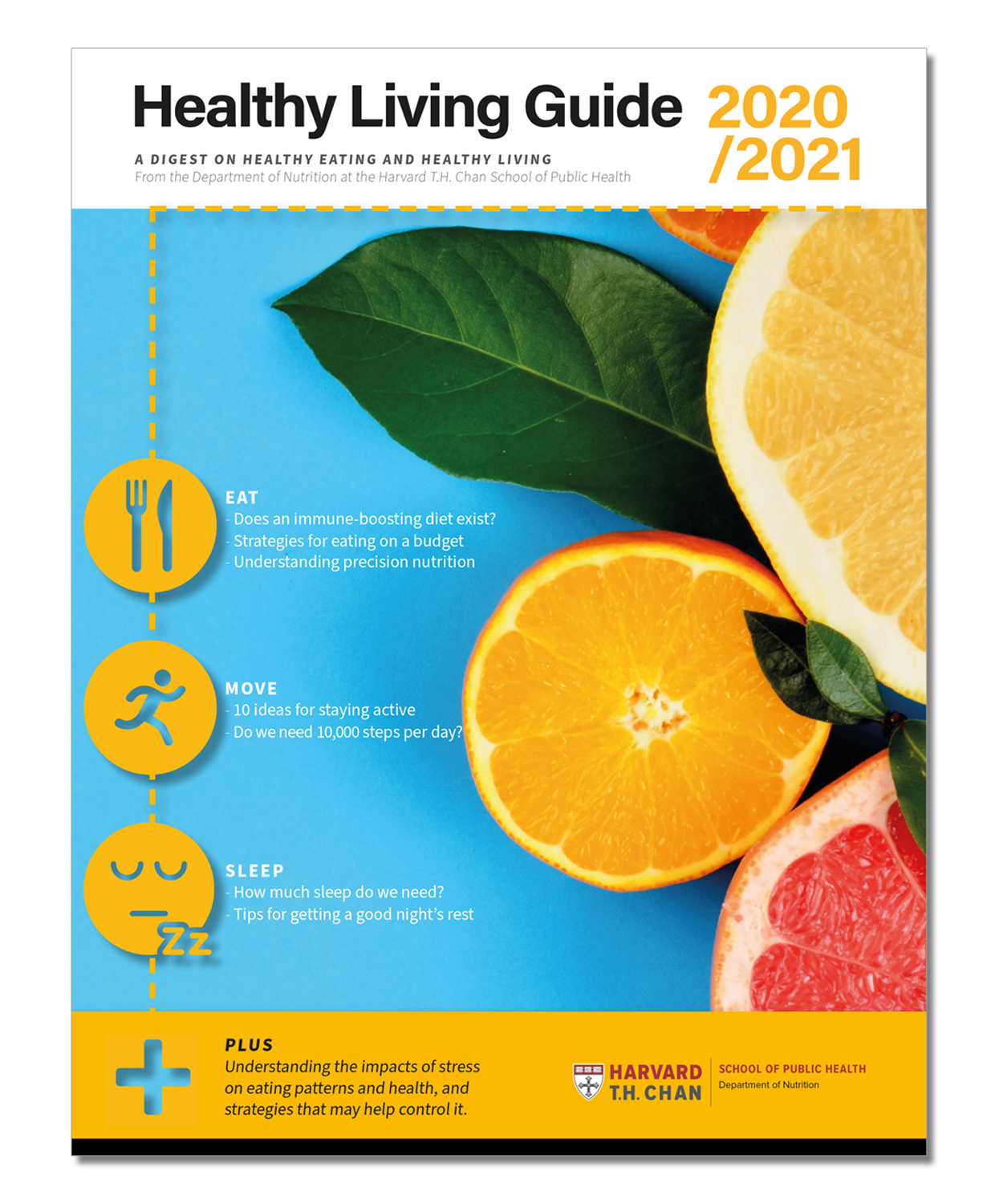
The Harvard T.H. Chan School of Public Health has recently released a comprehensive Healthy Living Guide, designed to distill complex nutritional and lifestyle research into actionable strategies. This initiative serves as a timely reminder that while the external environment may be volatile, the internal mechanisms of our health remain largely under our own influence. By focusing on five fundamental pillars, individuals can significantly bolster their immune systems and extend their life expectancy by over a decade.
The Five Pillars of Healthy Living: A Summary of Core Facts
The methodology behind the Healthy Living Guide is rooted in decades of longitudinal research. The core argument is simple but profound: longevity is not merely a genetic lottery, but a cumulative result of daily choices. The five pillars identified by experts are:
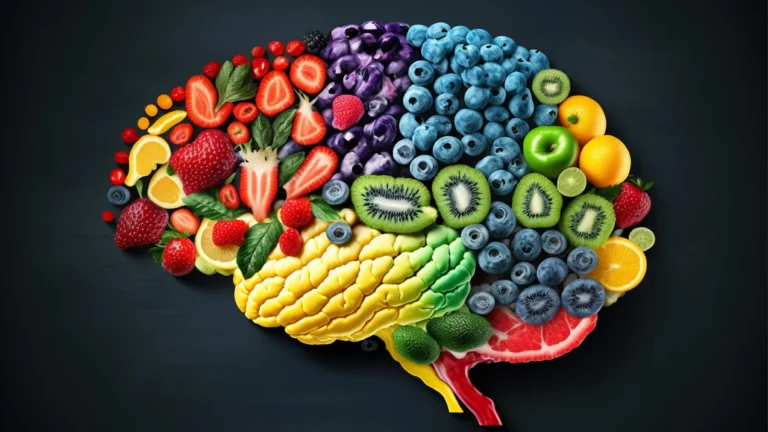
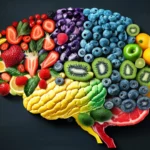
- A Nutrient-Dense Diet: Prioritizing whole, unprocessed foods, fruits, vegetables, and lean proteins while minimizing refined sugars and saturated fats.
- Regular Physical Activity: Maintaining consistent movement, whether through structured exercise or daily functional activity, to support cardiovascular and metabolic health.
- Weight Management: Achieving and maintaining a body weight that reduces the burden on physiological systems.
- Moderation in Alcohol Consumption: Limiting intake to prevent the long-term systemic damage associated with excessive drinking.
- Tobacco Abstinence: The complete avoidance of smoking, which remains the single most impactful change one can make for long-term health.
The clinical data supporting these habits is robust. Studies have consistently demonstrated that individuals who adopt all five of these behaviors experience a significantly reduced risk of premature death. Beyond the mere duration of life, these habits extend the "healthspan"—the number of years lived in good health, free from the debilitating shadows of chronic disease.
Chronology: From Pandemic Disruption to Wellness Revival
The timeline of the current health landscape is inextricably linked to the onset of the COVID-19 pandemic in early 2020.
- Early 2020 (The Crisis Phase): The initial shock of the pandemic forced global populations into isolation. Lockdowns resulted in disrupted routines, increased sedentary behavior, and a surge in psychological distress. Nutrition experts observed a "dual burden": food access issues for vulnerable populations and an increase in emotional eating for those experiencing stress.
- Late 2020 (The Adaptation Phase): As the pandemic persisted, it became clear that a long-term strategy was needed. Healthcare organizations began shifting their messaging from purely reactive (avoiding infection) to proactive (building physiological resilience).
- 2021 (The Empowerment Phase): The release of the Healthy Living Guide marked a turning point in public health communication. By providing a printable, accessible resource, researchers aimed to bridge the gap between academic research and the practical needs of people living in a changed world.
- The Present Day: The lessons learned during this period continue to inform public health policy. The focus has moved toward long-term sustainability, recognizing that the habits formed during the pandemic serve as a blueprint for post-pandemic health.
Supporting Data: The Science of "Adding Years to Life"
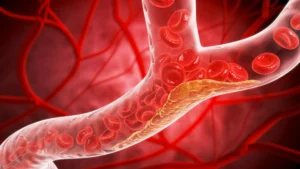
The claim that healthy habits can add a decade to one’s life is not hyperbolic; it is supported by rigorous epidemiological data. According to research conducted at Harvard, adults who adhered to the five key lifestyle habits during middle age saw a dramatic reduction in the incidence of chronic illnesses, including type 2 diabetes, cardiovascular disease, and various forms of cancer.
The Impact on Chronic Disease
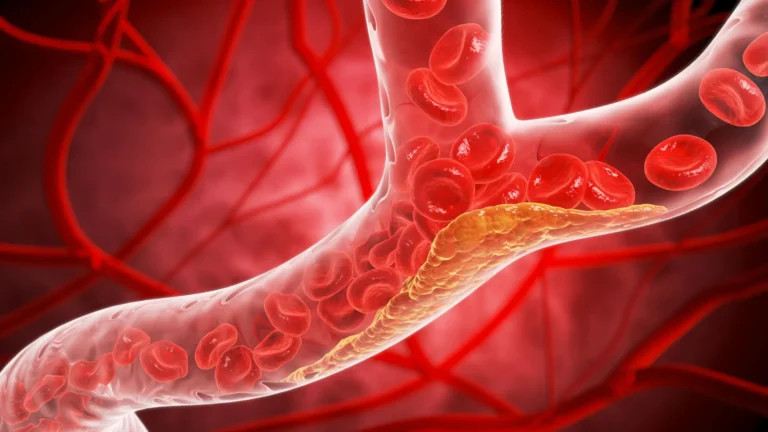
Chronic diseases are the leading causes of death and disability globally. The data suggests that lifestyle interventions are more effective than pharmaceutical interventions in preventing the onset of these conditions. For instance, the combination of a healthy diet and regular physical activity can reduce the risk of type 2 diabetes by over 50%.
The Immune System Connection
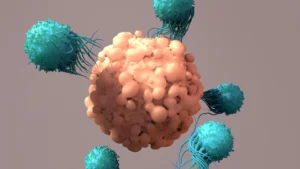
While experts emphasize that no specific "superfood" or supplement can prevent a viral infection like COVID-19, a strong immune system is the body’s primary defense. A healthy lifestyle provides the necessary micronutrients, reduces systemic inflammation, and regulates the hormonal responses necessary for an effective immune response. When the body is not fighting the chronic inflammation caused by poor diet and inactivity, it is better equipped to respond to acute threats.
Official Responses and Expert Perspective
The medical community has embraced the Healthy Living Guide as a vital tool for community health. Dr. Walter Willett and other prominent researchers have emphasized that health is a "do-it-yourself" project that requires constant maintenance.
"The goal," notes the research team behind the guide, "is not perfection, but progress." The official stance from Harvard’s nutrition experts is that we must move away from "all-or-nothing" thinking. In times of extreme stress, such as a global pandemic, the ability to maintain a rigid health regimen is often compromised. Therefore, the guide encourages "flexible consistency"—the idea that even small, manageable changes can yield significant long-term results.
The Role of Behavioral Psychology
The Healthy Living Guide also incorporates elements of behavioral psychology. By including tools like the "Healthy Living Bingo Challenge," the guide attempts to gamify the experience of healthy living. This addresses the "motivation gap"—the psychological barrier that prevents people from starting or sticking to new routines. By making healthy living feel like a series of small, achievable "wins," the guide increases the likelihood of long-term adherence.
Implications for the Future of Public Health
The release of this guide holds profound implications for how we view the intersection of lifestyle and medicine.
1. The Shift Toward Preventive Care
The healthcare industry is slowly pivoting from a model of "sick care" (treating illness after it manifests) to a model of "health care" (maintaining wellness to prevent illness). The evidence presented in the guide supports the notion that investments in public education regarding lifestyle are the most cost-effective methods of reducing the national burden of chronic disease.
2. Equity in Health
One of the most pressing implications of the research is the disparity in health outcomes. The pandemic highlighted that those with limited access to fresh, healthy food and safe spaces for exercise are at a significant disadvantage. Future policy must focus on "health equity," ensuring that the ability to adopt these five pillars is not a luxury afforded only to the wealthy, but a standard available to all citizens.
3. Resilience as a Global Strategy
The pandemic taught us that a population’s resilience is tied to its overall health. If a society is metabolically unhealthy, it is inherently more vulnerable to biological threats. Therefore, promoting healthy habits is not just an individual endeavor—it is a matter of national security and social stability.
Conclusion: Starting Your Journey
The Healthy Living Guide serves as a practical, encouraging roadmap for those looking to reclaim their health. Whether it is through trying a new recipe, committing to a daily walk, or simply being more mindful of one’s alcohol intake, the path to a decade of extra life is paved with small, deliberate steps.
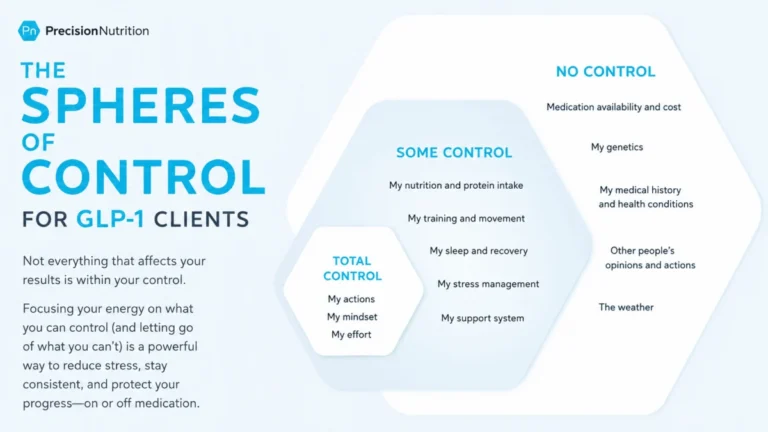
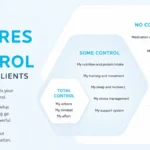
In a world that often feels outside of our control, the most empowering thing we can do is focus on the variables we can influence. By embracing the five pillars of healthy living, we not only protect ourselves against the uncertainties of the future but also enhance the quality of our present. As the Harvard T.H. Chan School of Public Health suggests, the journey toward better health should be one of discovery, enjoyment, and consistency.
For those ready to take the first step, the Healthy Living Guide—complete with printable tip sheets and the interactive Bingo challenge—is available for download. It is a reminder that the best time to start investing in your future self is today. Through education, persistence, and a commitment to these evidence-based habits, we can transform our health and, ultimately, our lives.