




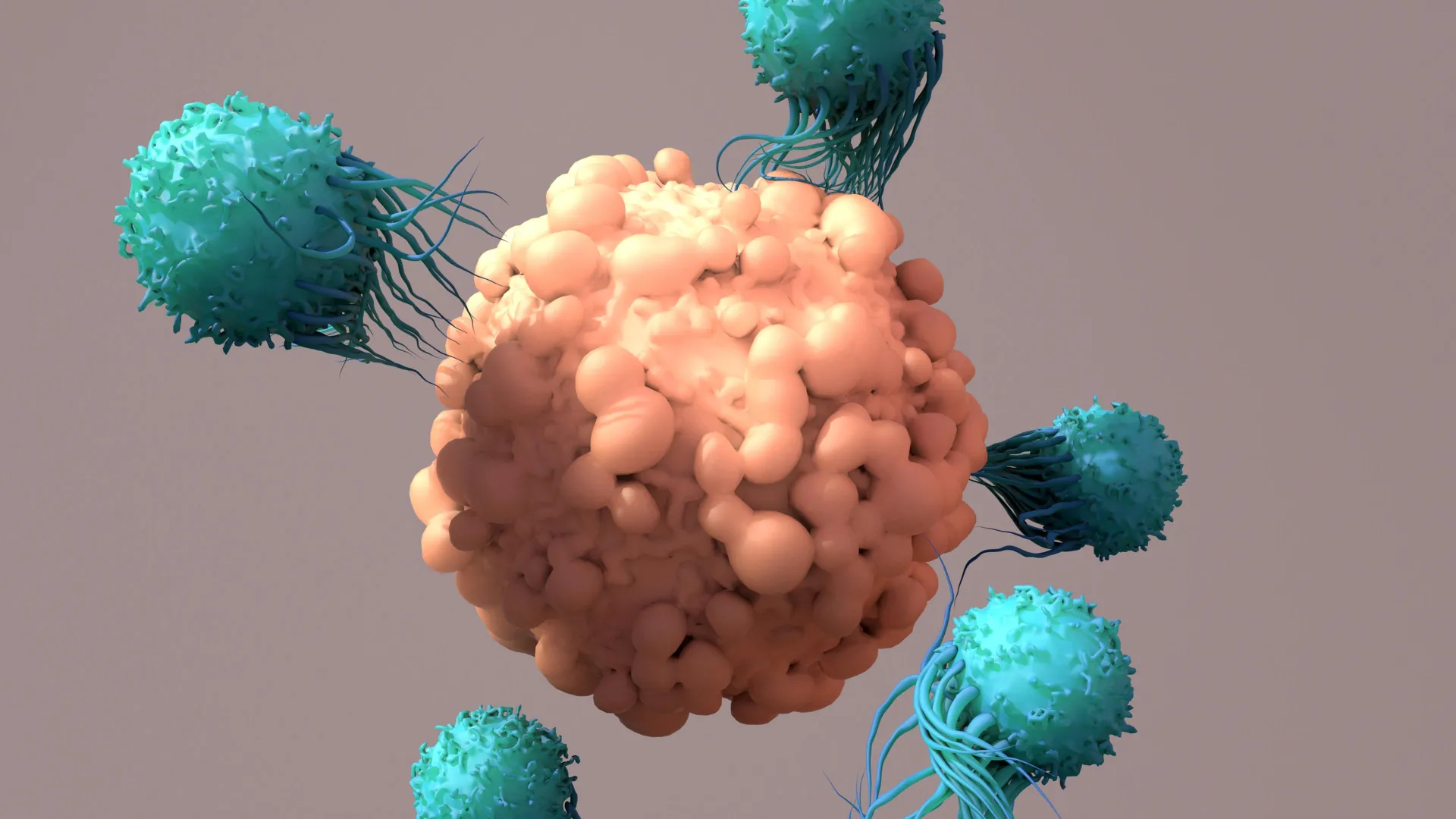
In the rapidly evolving landscape of immuno-oncology, CAR (Chimeric Antigen Receptor) T-cell therapy has emerged as a beacon of hope, effectively turning a patient’s own immune system into a precision-guided weapon against malignancy. While this "living drug" has revolutionized the treatment of specific blood cancers, it has historically faltered when faced with the formidable barriers of solid tumors.
A collaborative breakthrough, spearheaded by researchers from Columbia University and the University Hospital Tübingen, has now identified a critical "off-switch" that hinders these cells. By pinpointing a protein known as NFIL3, the team has discovered a mechanism that causes CAR T cells to burn out prematurely. Their findings, published in the prestigious journal Cancer Discovery, outline a method to disable this protein, potentially paving the way for a new generation of more resilient, long-lasting cancer therapies.
Main Facts: The Protein That Diminishes Immunity
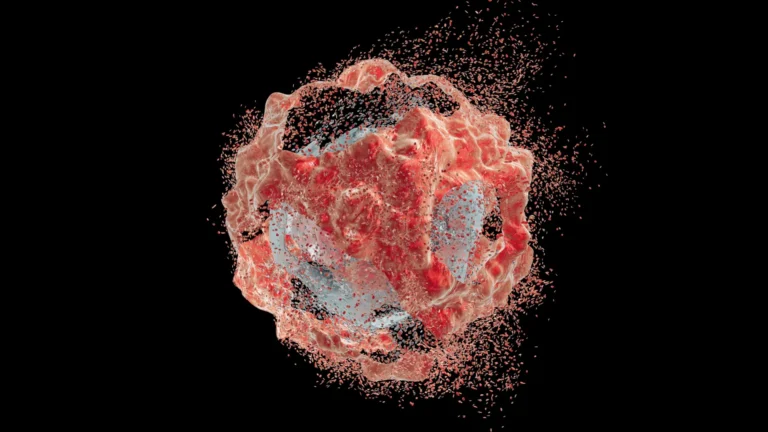
At the heart of this research is the phenomenon of "T-cell exhaustion." When CAR T cells enter the hostile environment of a tumor, they are often subjected to chronic stimulation and stress. Over time, these cells become fatigued, losing their proliferative capacity and their ability to secrete the cytokines necessary to destroy malignant cells.
The international research team, led by pioneers in the field, hypothesized that this exhaustion is not merely a passive decay but a genetically programmed response regulated by specific transcription factors. Through a large-scale, systematic screen of roughly 400 transcription factors, the researchers identified NFIL3 as a primary culprit. NFIL3 acts as a molecular brake; when its expression is high, it effectively silences the genes required for T-cell longevity and effector function.
Using the revolutionary CRISPR/Cas9 gene-editing technology, the team successfully knocked out the gene responsible for NFIL3 in CAR T cells. The results were striking: the modified cells exhibited a robust ability to resist exhaustion, maintained higher rates of replication, and showed a significantly improved capacity to infiltrate and destroy solid tumor models in vivo.
Chronology: The Road to Discovery
The path to this discovery was not linear; it was the result of years of meticulous investigation and a "bench-to-bedside" philosophy that defines the work of Prof. Michel Sadelain and Prof. Judith Feucht.
Phase 1: The Screening Process
The research began with a comprehensive functional genomic screen. Understanding that CAR T cells face hundreds of internal signals, the team opted to analyze 400 transcription factors. This Herculean effort aimed to identify which proteins were "upregulated" during the exhaustion phase. NFIL3 stood out as the most consistent and influential factor across various experimental conditions.
Phase 2: Validation via CRISPR
Once NFIL3 was identified, the team employed CRISPR/Cas9 "genetic scissors." By precisely editing the genome of the T cells to eliminate the NFIL3 protein, they created a "next-generation" CAR T cell. This stage of the research proved that the removal of the protein did not negatively impact the initial activation of the cells, but rather protected them from the inevitable burnout that occurs after repeated tumor exposure.
Phase 3: Preclinical Animal Models
With the modified cells successfully created, the team moved to murine (mouse) models. These models were specifically designed to simulate the microenvironment of solid tumors—a notoriously difficult environment that often neutralizes traditional CAR T cells. The data confirmed that NFIL3-deficient CAR T cells were not only more active but also extended the survival rates of the subjects significantly compared to those treated with conventional CAR T cells.
Supporting Data: Why NFIL3 Matters
The data generated by the Columbia-Tübingen partnership provides compelling evidence for the role of NFIL3 in immune regulation.
- Proliferative Capacity: In comparative studies, NFIL3-knockout CAR T cells showed a sustained ability to divide even after prolonged exposure to tumor antigens. Traditional cells, by contrast, entered a state of senescence (cellular aging).
- Effector Function: The knockout cells produced higher levels of interferon-gamma and other key inflammatory markers, which are critical for the physical destruction of tumor cells.
- Solid Tumor Penetration: Perhaps the most significant finding was the ability of these cells to maintain efficacy in the face of the immunosuppressive tumor microenvironment—a hurdle that has historically rendered CAR T cells ineffective against cancers of the breast, lung, and pancreas.
By stripping away the NFIL3 protein, the researchers have essentially "unlocked" the cell’s potential, allowing it to function at high capacity for a duration previously thought unattainable.
Official Responses: Insights from the Leaders
The research team, which bridges the gap between fundamental molecular biology and clinical oncology, views these results as a paradigm shift.
Prof. Michel Sadelain (Columbia University):
Widely recognized as one of the architects of modern CAR T-cell therapy, Prof. Sadelain emphasized the importance of the systematic approach. "Our goal is to understand the genetic architecture of the immune response. NFIL3 represents a specific, actionable target. By modifying this, we are not just strengthening the cell; we are reprogramming its destiny within the tumor environment."
Prof. Judith Feucht (University Hospital Tübingen):
Prof. Feucht, who balances her time between the lab and the pediatric oncology ward, highlighted the translational potential. "Switching off NFIL3 could be a decisive step toward significantly improving the long-term potency of CAR T cells. We are looking at a future where we can tailor these cells to the specific challenges of solid tumors, which are vastly different from the liquid cancers we have successfully treated thus far."
Celina May (Co-first author):
"Our findings are not just theoretical," says May. "In the lab, we have seen these cells thrive where others fail. We expect this to open up new possibilities in the treatment of cancer patients who currently have very limited options."
Implications: A New Frontier in Oncology
The implications of this discovery are profound, particularly for the future of "off-the-shelf" and patient-specific immunotherapies.
Expanding the Spectrum of Treatable Cancers
Current CAR T-cell success is largely confined to hematologic malignancies like leukemia and lymphoma. Solid tumors—which account for the vast majority of cancer-related deaths—have remained largely resistant. The NFIL3 discovery suggests that the primary issue in these cases is not necessarily the targeting mechanism (the "CAR" part), but the endurance of the T cell itself. If these cells can stay "fresh" for longer, the door opens for the treatment of solid tumors in organs like the liver, lungs, and brain.
The Bench-to-Bedside Pipeline
Prof. Feucht’s work within the iFIT (Image Guided and Functionally Instructed Tumor Therapies) Cluster of Excellence underscores the necessity of the "bench-to-bedside" approach. By conducting research in an environment where clinical trials are a constant reality, the team is already looking toward how to safely translate this gene-editing technique into human trials.
The Ethical and Technical Road Ahead
While the results are promising, the researchers are careful to emphasize that the journey from the laboratory to the hospital pharmacy is long. Rigorous safety testing is required to ensure that removing NFIL3 does not cause unintended consequences, such as autoimmunity or long-term immune instability. The team is now focusing on the regulatory and clinical hurdles required to move these findings toward Phase I clinical trials.
A New Era of Genetic Engineering
This study also highlights the increasing sophistication of CRISPR technology. It is no longer enough to simply arm a T cell with a receptor; scientists must now curate the internal genetic environment of the cell to ensure it can survive the "war" inside the human body. The NFIL3 discovery acts as a blueprint for this new era of "intelligent" immunotherapy.
Conclusion
The collaboration between Columbia University and the University Hospital Tübingen has provided a vital missing piece to the immunotherapy puzzle. By identifying NFIL3 as the catalyst for T-cell exhaustion, the researchers have identified a clear, actionable target to enhance the potency of the next generation of cancer treatments.
As we look to the future, the ability to "engineer out" the exhaustion process could be the key to moving beyond blood cancers and finally conquering the solid tumors that have remained the "final frontier" of oncology. With the precision of CRISPR and the insights of fundamental molecular biology, the medical community is one step closer to a world where CAR T-cell therapy is a reliable, durable, and highly effective treatment for patients globally.