










By Investigative Staff
June 16, 2026
In a stark reminder of the escalating cybersecurity threats facing the healthcare and medical technology sectors, iRhythm Technologies—a leader in cardiac monitoring solutions—has confirmed that it was the target of a malicious cyberattack. The incident, which resulted in the unauthorized exfiltration of sensitive proprietary and patient data, has prompted a federal securities filing and a comprehensive investigation by external cybersecurity experts.
The breach, identified by the company on June 8, 2026, marks yet another high-profile security compromise within the medtech industry. As companies become increasingly reliant on cloud-based business applications and interconnected digital infrastructures, the window of vulnerability for hackers utilizing social engineering and other sophisticated tactics continues to widen.
The Breach: A Chronology of the Incident
According to official documents filed with the Securities and Exchange Commission (SEC), iRhythm’s internal security teams detected anomalous activity within its network environment on June 8. Upon the identification of unauthorized access, the company immediately activated its established cybersecurity response protocol, isolating affected systems and engaging third-party forensic specialists to assess the extent of the damage.
The situation escalated rapidly on June 9, when an unidentified threat actor initiated communication with the company. The attacker claimed to be in possession of stolen data, which reportedly includes proprietary company information, protected health information (PHI) of patients, and various forms of personal data. The perpetrator accompanied these claims with a demand for payment, threatening to leak or publicly release the exfiltrated data if their financial demands were not met.
By Monday, June 15, iRhythm confirmed that a specific subset of data had indeed been exfiltrated from third-party-hosted business applications. While the company has been transparent about the existence of these demands, it has remained silent regarding whether it intends to engage in negotiations or make any form of payment to the threat actors.
Technical Details and Scope of the Attack
A critical distinction in this incident is the target of the breach. Unlike previous attacks on medical device manufacturers that have disrupted life-saving machinery, iRhythm has clarified that the attack was confined to its third-party-hosted business applications.
The entry point for the breach has been identified as social engineering. Social engineering remains the most pervasive threat in modern cybersecurity, often involving the manipulation of employees into divulging credentials or providing access to secure systems. Once the attackers gained access to these peripheral business systems, they were able to extract data before being detected.
Crucially, the company has emphasized that its core clinical and medical device systems remain secure. In a statement released to stakeholders, iRhythm confirmed: "We have not identified any impact to our products, our clinical or medical device systems, our connections to customers, our manufacturing and distribution operations, patient safety, or our ability to meet patient needs."
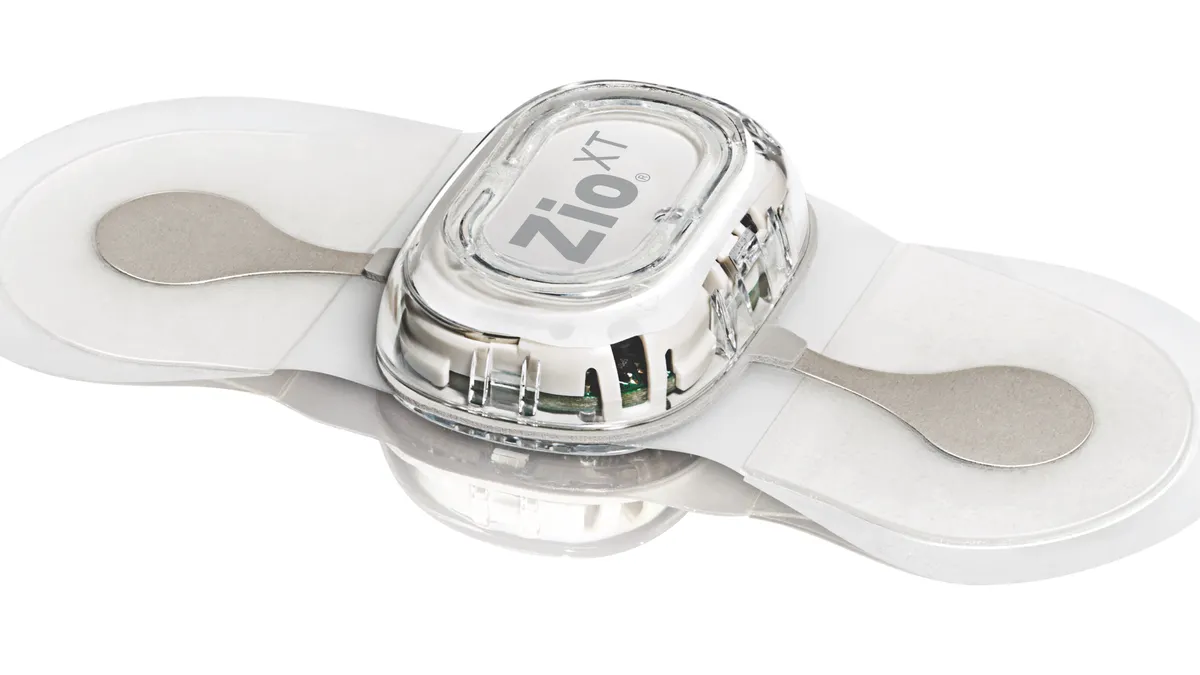
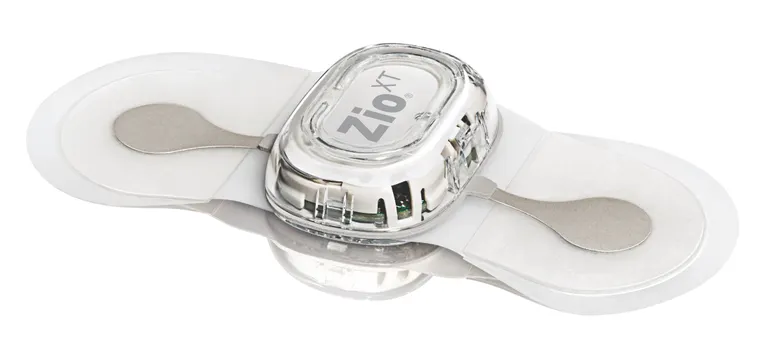
Furthermore, the company noted that it does not store individual financial account details or payment card information within these specific business applications, which may limit the secondary impact on individual patients or customers. As of June 15, there was no evidence of ongoing unauthorized access, and the company’s ability to manufacture and distribute its signature Zio XT monitoring patches remained entirely uninterrupted.
Official Responses and Corporate Stance
In its formal statement, iRhythm has sought to reassure investors and patients alike. The company highlighted its proactive posture, noting that it has already launched an extensive investigation into the nature and volume of the stolen data.
"We are working diligently with leading cybersecurity firms and relevant authorities to determine the scope of this incident," the company stated. "Our priority is to protect our stakeholders and ensure that we continue to provide uninterrupted care to the patients who rely on our cardiac monitoring technology."

Regarding the financial impact, iRhythm’s leadership team has stated that they do not anticipate the incident will have a "material impact" on the company’s overall financial condition or operational results. The company maintains a robust cybersecurity insurance policy, which it expects will mitigate some of the losses associated with the investigation and remediation efforts. However, the long-term impact on brand reputation and customer trust remains a variable that investors will be watching closely in the coming quarters.
The Growing Trend of Medtech Vulnerability
The attack on iRhythm is not an isolated event but rather part of a broader, concerning trend within the healthcare technology space. Medtech companies have become prime targets for cybercriminals due to the sensitive nature of the data they hold and the critical, time-sensitive nature of their operations.
A Year of Escalating Threats
The first half of 2026 has been particularly difficult for the industry:
- Stryker: In March, the surgical giant suffered an attack that paralyzed its operations for weeks. The impact was severe, forcing a shutdown of ordering, shipping, and manufacturing systems, and directly contributing to a decline in the company’s first-quarter earnings.
- Intuitive Surgical: Also in March, the robotics leader disclosed a phishing incident. While the scope was smaller than that of other recent breaches, it highlighted the ease with which attackers can infiltrate corporate networks to access sensitive employee and customer business data.
- Medtronic: In April, one of the world’s largest medical device manufacturers reported that unauthorized parties had gained access to specific corporate IT systems, further signaling that no entity, regardless of size or security budget, is immune.
These incidents highlight a shift in how attackers view medtech firms. Previously, ransomware attacks were focused on hospitals—the providers. Now, attackers are moving "up the supply chain" to target the manufacturers themselves, where they can either disrupt global distribution or hold sensitive data for ransom.
Implications for the Future of Healthcare Cybersecurity
The iRhythm breach serves as a case study for the necessary evolution of corporate security. As companies increasingly outsource business functions to third-party providers, the security of those third-party applications becomes a critical point of failure.
The Challenge of Third-Party Risk
Many of the most severe data breaches in recent years have not originated from the main corporate server, but from a peripheral application hosted by a vendor. When an organization integrates third-party software, it inherits the security vulnerabilities of that provider. Moving forward, industry analysts expect a more rigorous vetting process for SaaS (Software as a Service) providers and an increased investment in Zero Trust architecture, which operates on the principle of "never trust, always verify."

The Dilemma of Ransomware
The choice faced by iRhythm—whether to pay the ransom or not—is one that faces hundreds of companies annually. While paying a ransom may seem like a "quick fix" to prevent data leakage, law enforcement agencies like the FBI and CISA generally advise against it. Paying not only funds criminal enterprises but also provides no guarantee that the stolen data will be deleted or that the threat actors will not attempt a follow-up attack.
Regulatory and Legal Scrutiny
With the SEC having recently implemented stricter disclosure rules for cybersecurity incidents, companies are now under a much shorter clock to report material breaches. This transparency is a double-edged sword: it keeps the public informed, but it also alerts competitors and markets to the company’s vulnerabilities immediately.
Conclusion
As the digital transformation of healthcare continues, the marriage of patient care and data security becomes increasingly complex. iRhythm Technologies’ experience underscores the reality that in the modern era, cybersecurity is not merely an IT issue—it is a fundamental component of patient safety and corporate governance.
The company continues to work through its investigation, and as more details emerge regarding the specific categories of data involved, they will likely face further scrutiny from both regulators and the public. For the rest of the medtech industry, the message is clear: the threat is real, it is evolving, and the cost of complacency is higher than ever before.
As iRhythm navigates the aftermath of this attack, the entire healthcare sector will be watching to see how the company balances its responsibility to its patients with the harsh realities of defending against modern digital extortion.