By Randall Dwenger, M.D.
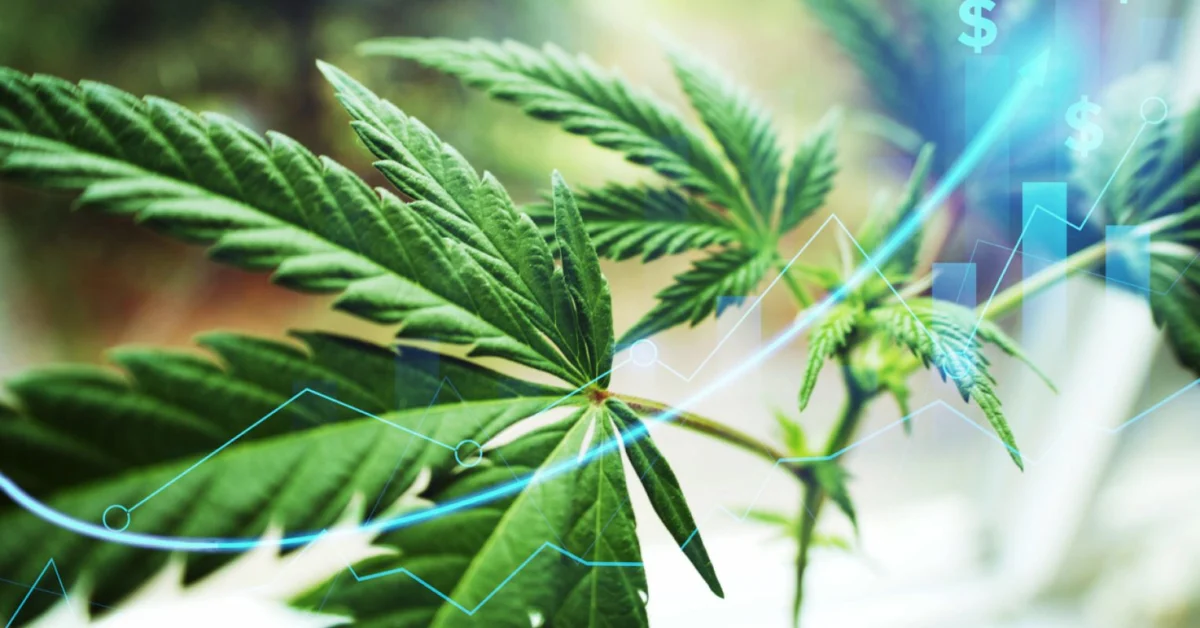
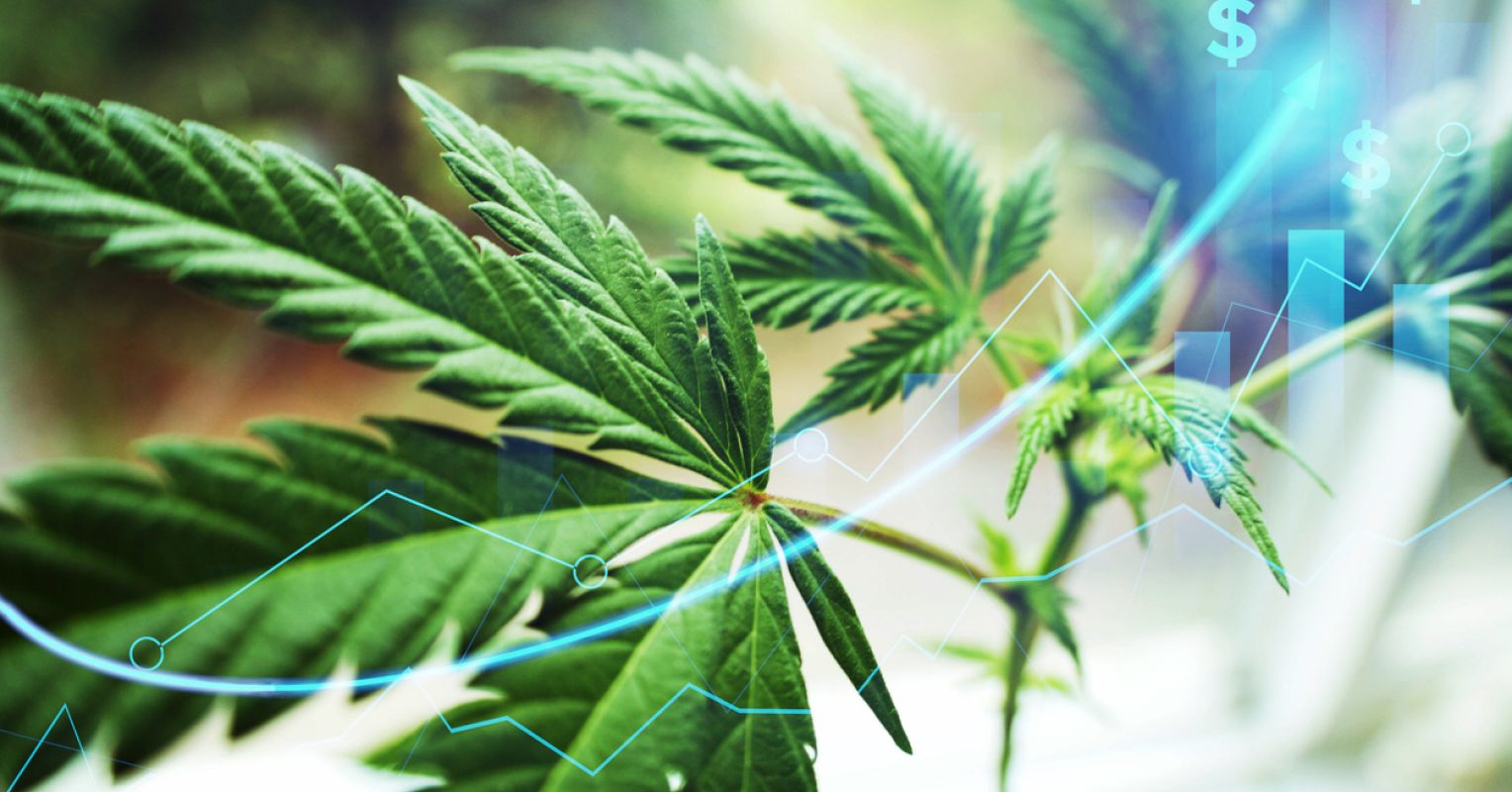
In the span of a single decade, the cultural and legal landscape regarding cannabis in the United States has undergone a seismic shift. Once relegated to the fringes of society, marijuana is now a centerpiece of a rapidly expanding multi-billion-dollar industry. With over 37 states permitting medical use and more than 20 states legalizing recreational consumption, the narrative surrounding the drug has shifted from one of prohibition to one of normalized, "safe" recreation.
However, beneath the veneer of corporate branding and tax-revenue optimism lies a critical public health concern that is often ignored. For the developing brains of teenagers and young adults, the biological reality of cannabis consumption remains unchanged, even if our laws have transformed. The combination of hyper-accessible products, record-breaking potency, and pervasive, youth-oriented marketing has created a "perfect storm" for the next generation.
Main Facts: The New Reality of Consumption
The perception that marijuana is inherently "safe" is one of the most dangerous misconceptions currently circulating in public discourse. While adults may debate the merits of legalization, the medical community remains concerned about the physiological impact of cannabinoids on the human brain—specifically the prefrontal cortex, which does not reach full maturity until the mid-twenties.
Today’s cannabis is not the product of the 1990s. Through sophisticated cultivation and extraction techniques, modern cannabis products contain THC (tetrahydrocannabinol) concentrations that would have been unimaginable thirty years ago. While traditional cannabis previously hovered around 4 percent THC, today’s marketplace features "flower" strains containing 15 to 30 percent THC, and concentrated products—such as waxes, shatters, and oils—that can reach up to 95 percent potency.
This is not merely a change in strength; it is a change in the drug’s potential for harm. High-potency THC has been directly linked to an increase in cannabis-induced psychosis, characterized by intense paranoia, dissociation, and in some cases, acute psychiatric episodes that require emergency medical intervention.
A Chronology of Rapid Expansion
The trajectory of the cannabis industry’s growth mirrors its rapid legislative success.
- 2012–2020: The number of American marijuana users saw a dramatic climb, rising from approximately 28 million to 47 million.
- 2020: The industry reached a pivotal milestone, with legal sales hitting $17.5 billion—a 46 percent increase from the previous year.
- 2023 (January): Connecticut officially launched its adult-use market, generating $5 million in the first month alone.
- 2023 (May): Within just four months, monthly sales in Connecticut more than doubled, underscoring the explosive demand in the Northeast.
- 2023 (June): New Jersey reported cumulative legal sales reaching $180 million, illustrating the massive economic scale of the regional shift.
- Current Forecasts: Industry analysts predict that the U.S. cannabis market could reach a valuation of $41.5 billion by 2025.
Simultaneously, an "underground" market continues to thrive in states with slow or limited retail rollouts. In New York City, for instance, the legal market has been hampered by a slow licensing process, leading to the proliferation of over 1,400 unlicensed shops that operate in a gray area, often selling unregulated, untested products directly to consumers—including minors.
Supporting Data: The Impact on Youth
The normalization of cannabis has had a measurable effect on youth consumption patterns. Current estimates suggest that roughly 2.5 million teens between the ages of 12 and 17 consume marijuana regularly. Among high school seniors, approximately 30.5 percent report having used cannabis within the past year.
The marketing strategies employed by the cannabis industry often mirror those of the tobacco industry in the late 20th century. By leveraging social media influencers, sleek digital advertising, and the creation of "youth-friendly" product formats—such as THC-infused sodas, gummies, lollipops, and candies—the industry successfully reaches demographics that are legally prohibited from purchasing their products.
Beyond the internet, the physical landscape has changed. In regions like Western Massachusetts, the billboard market is saturated with advertisements for dispensaries. Slogans such as "Why Wait for Better Health?" or "Voted Best in the Berkshires" create a false sense of medical legitimacy and benign utility, even for products intended for recreational, high-potency use.
Official Responses and Clinical Implications
The medical establishment has been vocal about the potential long-term consequences of this shift. According to a landmark study from Columbia University, teens who engage in regular recreational cannabis use are two to four times more likely to develop serious psychiatric disorders, including depression and suicidal ideation, compared to their non-using peers.
The Vulnerability of the Adolescent Brain
The teenage brain is in a critical period of "pruning" and development. The prefrontal cortex, which governs executive functioning, impulse control, and complex decision-making, is the final area of the brain to develop. When high concentrations of THC are introduced to a brain at this stage, they disrupt the endocannabinoid system, which is essential for normal neural maturation.
This disruption is linked to:
- Cognitive Impairment: Long-term deficits in attention, memory, and information processing.
- Mental Health Disorders: Increased risk for anxiety, depression, and, in genetically predisposed individuals, an increased risk of triggering latent schizophrenia or other psychotic disorders.
- The "Gateway" Phenomenon: Marijuana is frequently the first substance used by teens who eventually experiment with more dangerous, highly addictive substances, including opioids, benzodiazepines, and stimulants.
Toward a Strategy of Prevention and Honesty
If we are to mitigate the risks of this "new normal," we must move beyond the current culture of silence and passive acceptance. Preventing a public health crisis requires a multi-faceted approach involving parents, educators, and healthcare providers.
1. Honest Parental Modeling
The most effective way to influence a teen’s behavior is through the example set at home. Studies from the University of Washington indicate that children of chronic marijuana users are 4.5 times more likely to use the drug themselves. Parents must "take their own pulse" and honestly assess their own relationship with substances.
2. Open Dialogue
Avoiding the subject of cannabis with teenagers is no longer an option. Parents and guardians must initiate frank, non-judgmental conversations about the risks of modern, high-potency products. These conversations should focus on health, values, and the importance of brain health, rather than fear-mongering.
3. Professional Support
For those already struggling with substance use, early intervention is vital. Cannabis Use Disorder (CUD) is a recognized clinical condition that often requires professional therapeutic support. Families should be encouraged to reach out to pediatricians, school counselors, or addiction specialists the moment they notice warning signs, such as changes in academic performance, social withdrawal, or increased irritability.
4. Policy Advocacy
Communities must also demand stricter regulations on the marketing of cannabis products. This includes limiting the proximity of dispensaries to schools, curbing billboard advertising that targets youth, and holding illegal, unlicensed shops accountable for selling to minors.
The legalization of cannabis is an economic reality, but it does not have to be a health catastrophe. By acknowledging the science of the adolescent brain and fostering an environment of open, honest communication, we can protect our youth from the unintended, yet severe, consequences of the modern cannabis era. We must choose to prioritize the long-term well-being of the next generation over the short-term profits of a rapidly growing industry.