When the scientific community celebrated the completion of the Human Genome Project in 2003, there was a palpable sense of triumph. By sequencing the entirety of the human genetic code, researchers believed they had finally unlocked the master key to human health. The assumption was that by understanding our DNA, we could predict, prevent, and cure almost any ailment.
However, reality proved more stubborn. Decades later, scientists discovered that genetics account for only about 10% of our disease risk. The remaining 90% is governed by the environment—and chief among these environmental factors is what we eat. Despite this knowledge, global health is in a tailspin: diet-related illnesses, obesity, and metabolic disorders are on a trajectory that suggests our traditional understanding of nutrition is fundamentally incomplete.
The Great Nutritional Misconception
For the better part of a century, nutritional science has been trapped in a reductionist framework. We have been taught to view food strictly as fuel—a tally of calories, proteins, carbohydrates, fats, and a handful of well-known vitamins. In this conventional model, there are roughly 150 chemical compounds that "matter" to human health.
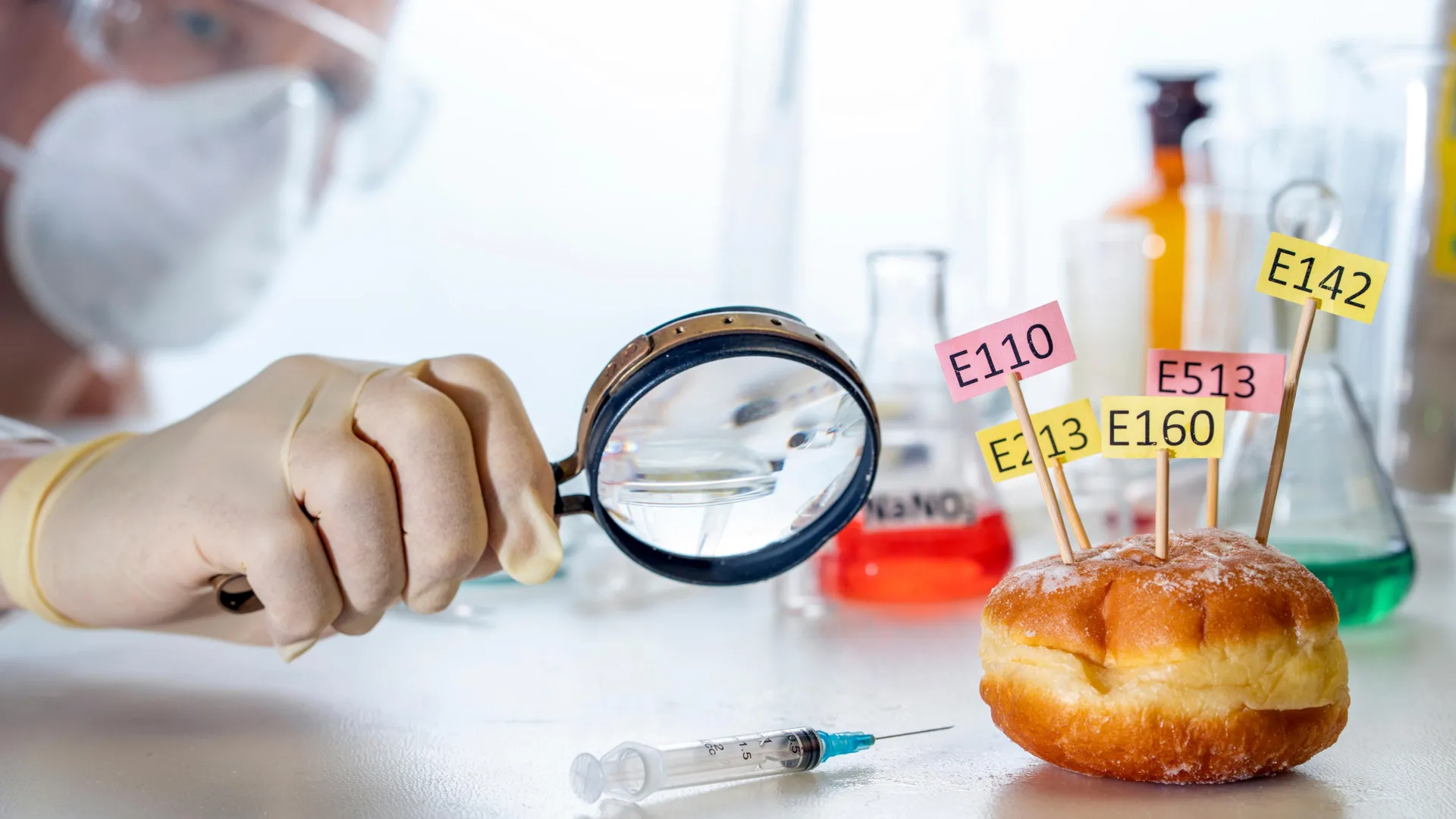
This perspective is not merely incomplete; it is profoundly misleading. Modern chemical analysis now estimates that our diet delivers more than 26,000 distinct compounds to our systems. The vast majority of these remain entirely uncharted. We consume them daily, yet we have no formal record of their biological functions. Scientists have begun calling this vast, invisible expanse of chemistry "nutritional dark matter."
A Chronology of Discovery: From Calories to Chemicals
To understand how we reached this impasse, we must look at the historical evolution of food science:
- 1900s–1950s: The Era of Deficiency. Early nutrition science focused on identifying vitamins and minerals to cure deficiency diseases like scurvy, rickets, and pellagra. The goal was simple: provide the body with enough building blocks to avoid acute failure.
- 1960s–1990s: The Era of Macronutrients. As acute deficiency became rare in the West, the focus shifted to macronutrients. Public health messaging centered on the "Big Three": fat, sugar, and salt. The mantra was "less is more," leading to the rise of low-fat and processed alternatives.
- 2003: The Genomic Turning Point. The completion of the Human Genome Project shattered the illusion that genes were destiny. When it became clear that the environment—specifically diet—was the primary driver of chronic disease, the field of nutrition found itself at a crossroads.
- 2010s–Present: The Rise of Foodomics. Realizing that traditional epidemiology was failing to explain the rise in obesity and heart disease, researchers began applying advanced analytical tools—genomics, proteomics, and metabolomics—to the contents of our food. This is the birth of the "Foodome" era.
The Dark Matter Analogy: Borrowing from the Heavens
The term "nutritional dark matter" is borrowed from cosmology for good reason. Astronomers know that dark matter makes up roughly 27% of the universe. It is invisible, it does not reflect or emit light, and it cannot be detected by conventional telescopes. Its existence is only confirmed by its gravitational pull on visible matter.
Nutrition science faces an identical predicament. We can see the "gravitational effects" of diet in the form of obesity rates, heart disease, and inflammation. We know that certain dietary patterns, such as the Mediterranean diet, produce positive health outcomes. Yet, when we analyze these foods, we cannot pinpoint which specific molecules are responsible for the benefits. The "dark matter" of our food is the complex chemical soup that remains unmapped. Some of these compounds may be the keys to longevity; others may be the hidden catalysts for disease.
Supporting Data: The Cost of Nutritional Ignorance
The urgency of this research is underscored by sobering statistics. According to data published in The Lancet, poor diet is linked to roughly one in five deaths among adults aged 25 and older globally. In Europe alone, sub-optimal nutrition accounts for nearly half of all cardiovascular-related mortality.
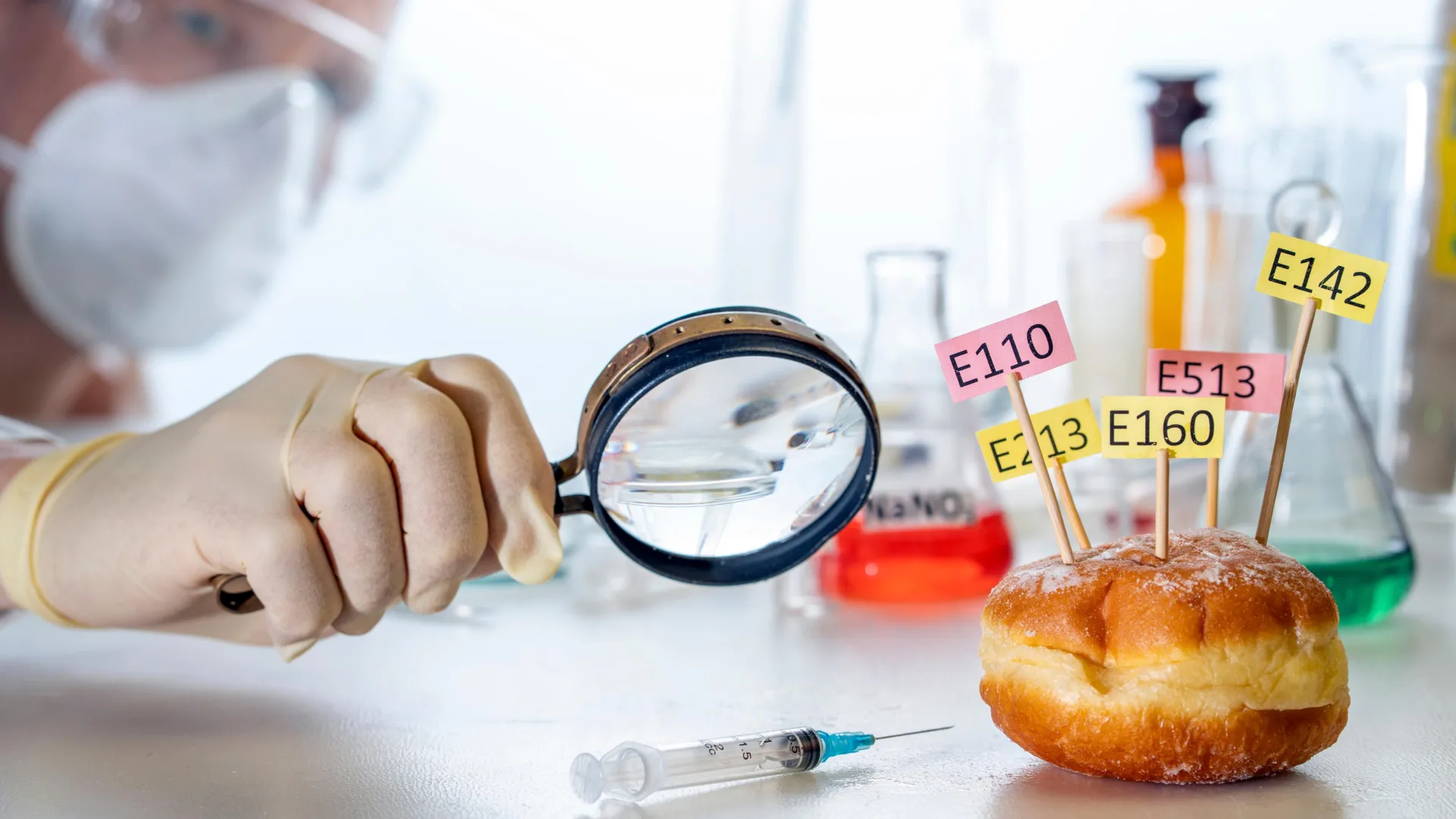
Despite decades of government-issued dietary guidelines—most of which have focused on reducing caloric intake or specific macronutrients—obesity rates have continued their relentless climb. The failure of these policies suggests that we are ignoring the "chemical complexity" of food. When researchers analyze the correlation between specific foods and disease, they often find that the associations cannot be matched to any known vitamin or mineral. The "active ingredient" remains hidden in the nutritional dark matter.
The Mechanism: How Food Talks to Your Cells
How does this "dark matter" exert such a profound influence on our biology? The answer lies in a complex, multi-layered conversation between our food, our gut microbiome, and our genes.
The Role of the Microbiome
When we eat, we are not just feeding ourselves; we are feeding a vast ecosystem of bacteria in our colon. These microbes act as a chemical factory, transforming compounds that our own digestive systems cannot process into entirely new molecules. For instance, the conversion of ellagic acid—found in fruits and nuts—into urolithins is a critical process for maintaining mitochondrial health. If our microbiome is depleted or dysregulated, this conversion fails, and our "energy factories" suffer.
The TMAO Example
A prime example of the health-harm balance is Trimethylamine N-oxide (TMAO). Produced when gut bacteria metabolize certain compounds found in red meat and eggs, high levels of TMAO are a significant risk factor for cardiovascular disease. However, nature provides a counter-measure: substances found in garlic can inhibit the production of TMAO. This illustrates that our health is not determined by a single nutrient, but by a delicate, dynamic chemical interplay.
Epigenetics: The Gene-Diet Interface
Perhaps the most startling discovery is that food can literally switch genes on or off. Through epigenetics, dietary compounds can alter gene expression without changing the underlying DNA sequence. The "Dutch Hunger Winter" study provides a haunting historical precedent: children born to mothers who experienced famine during WWII faced significantly higher rates of diabetes and heart disease decades later. Their gene activity had been permanently altered by the nutritional environment of the womb.
Official Responses and Future Implications
The scientific community has shifted its focus toward the Foodome Project, an ambitious international effort to catalogue the chemical constituents of the human diet. With over 130,000 molecules already listed, the project is creating an atlas that maps food compounds to human proteins, gut microbes, and disease pathways.
The Implications for Public Health
- Precision Nutrition: Moving away from "one-size-fits-all" dietary advice, the mapping of nutritional dark matter will eventually allow for personalized nutrition plans based on an individual’s unique metabolic and microbial profile.
- Drug Discovery: By identifying which food molecules interact with specific disease pathways, scientists believe we can harvest "food-based" medicine to treat metabolic disorders without the side effects of traditional synthetic pharmaceuticals.
- Food Policy: Future dietary guidelines will likely move beyond calories and macronutrients to account for the "chemical density" of food, emphasizing the preservation of beneficial dark matter that is often stripped away during industrial food processing.
Conclusion: A New Frontier of Health
We are currently in the infancy of understanding the chemical landscape of our food. Just as the mapping of the cosmos forced humanity to rethink its place in the universe, the unveiling of nutritional dark matter is forcing a revolution in medicine.
The food on our plate is not merely a source of energy; it is a complex, interactive library of information that shapes our biology every single day. By finally shining a light on this hidden chemistry, we may not only solve the mysteries of modern diet-related illness but fundamentally transform our understanding of what it means to be healthy. The era of counting calories is coming to a close; the era of decoding the foodome has just begun.