In the ongoing global battle against tuberculosis (TB)—a disease that remains one of the world’s deadliest infectious killers—a pivotal shift is occurring in how clinical research is conducted. At the recent UNITE4TB Annual Meeting, the divide between laboratory science and the lived experience of patients was significantly narrowed. By integrating the UNITE4TB Community Advisory Group (CAG) into the heart of trial design and strategy, researchers are acknowledging a fundamental truth: the most effective medical innovations are those designed not just for patients, but with them.
Main Facts: A Collaborative Blueprint for Future Trials
The UNITE4TB Annual Meeting served as a high-level summit for international researchers, clinicians, and community advocates. The primary objective of the gathering was to review the progress of ongoing clinical trials and to architect the future of TB treatment regimens.
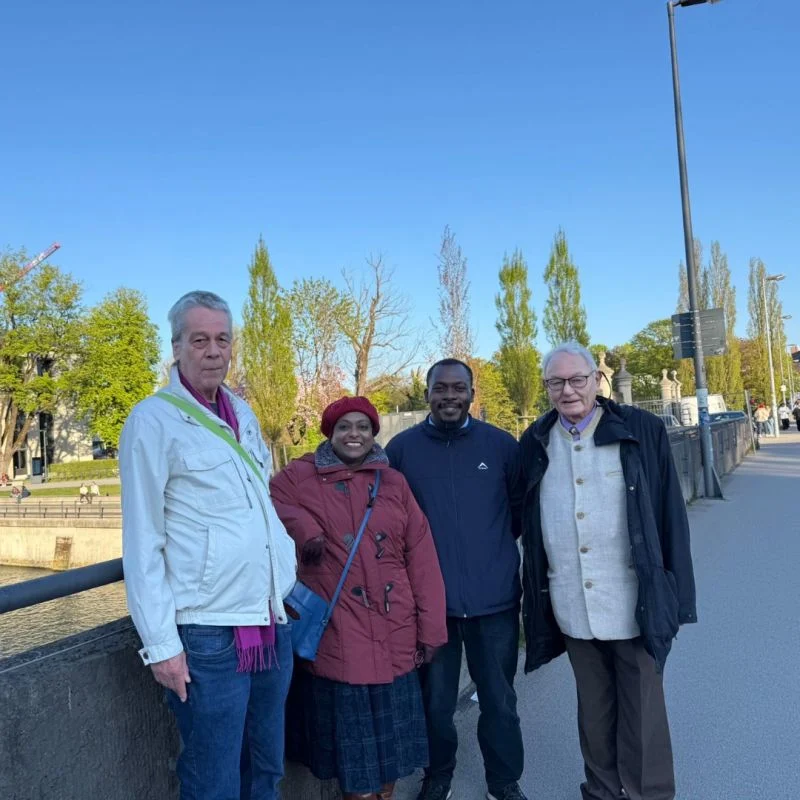
Central to these proceedings were members of the CAG—a body composed of individuals with deep personal and professional connections to the TB community. Delegates including Patrick Agbassi, Stephan Dressler, Blessina Kumar, and Paul Sommerfeld represented the patient voice, ensuring that the rigorous scientific demands of the UNITE4TB project remain tethered to the pragmatic realities of those living with the disease.
The core mission of this partnership is to transition from the current standard of care—often characterized by grueling, long-term medication regimens—toward shorter, safer, and more potent therapeutic options. By embedding community perspectives into the study design phase, the CAG aims to minimize the "treatment burden," which remains a primary cause of poor adherence and treatment failure globally.
Chronology: The Evolution of Patient-Centric Engagement
The involvement of the CAG at the UNITE4TB meeting was not a symbolic gesture, but a structured, multi-day engagement process that followed a clear trajectory:
- Day 1: Setting the Foundation. The meeting opened with a comprehensive review of the clinical landscape. CAG members immediately began steering discussions toward the "real-life" applicability of proposed trials. They emphasized that a drug’s efficacy is nullified if the protocol is too demanding for a patient to maintain while managing employment, education, and family obligations.
- Day 2: The Practicality of Participation. A dedicated session chaired by Paul Sommerfeld shifted the focus toward trial site operations. This was a critical juncture where investigators and community members exchanged stories from the field. Participants analyzed why certain sites succeed in recruitment and retention, while others struggle.
- Day 3: Addressing Gaps and Looking Ahead. The final phase of the meeting tackled the "missing populations," specifically adolescents and teenagers. A Joint Advisory Board session was convened to dissect the ethical and logistical hurdles preventing the inclusion of younger demographics in current trials, with the CAG demanding a roadmap for future inclusivity.
Supporting Data: Why Patient Engagement is Non-Negotiable
The urgency behind this collaborative model is supported by stark statistics. TB treatment, in many cases, requires a cocktail of medicines taken over several months. The "pill burden" and the associated side effects often lead to high dropout rates, which in turn fuels the development of drug-resistant strains of TB.
Research presented during the meeting underscored that patient attrition is rarely a reflection of lack of motivation; it is almost always a result of systemic barriers. Key data points identified by the CAG and researchers included:
- Accessibility Barriers: The cost and time associated with frequent clinic visits are primary drivers of non-adherence.
- Communication Gaps: A lack of clear, jargon-free information about trial side effects often leads to anxiety and distrust among participants.
- The "Peer Effect": Evidence suggests that clinical trial sites that utilize former participants as "peer educators" see significantly higher levels of trust and engagement among new recruits.
By prioritizing a dedicated budget for community engagement—rather than viewing it as a discretionary line item—UNITE4TB is setting a new precedent for how international health consortiums should allocate their resources to ensure successful trial delivery.
Official Responses: The Human Element of Clinical Research
The synergy between the scientific community and the CAG was perhaps best exemplified by the candid reflections of its members. Blessina Kumar, a prominent voice within the group, articulated the significance of the meeting in a powerful statement:
"The UNITE4TB Annual Meeting was successful; we were heard, our views and perspectives respected. The CAG made a strong case for the inclusion of children and adolescents in the trials. The Annual Meeting also provided an opportunity for learning and sharing; we appreciate the opportunity to hear from the trial site Principal Investigators. We look forward to interacting with the local Community Advisory Boards across the trial sites in the next few months."
This response signals a shift in the power dynamic. By positioning the CAG not as passive observers, but as active contributors, UNITE4TB has effectively created a feedback loop where clinical trial investigators must justify their methodologies to those who understand the community’s needs best.
Implications: The Future of TB Research and Beyond
The implications of this meeting extend far beyond the immediate goals of the UNITE4TB project. They touch upon the future of medical ethics and public health strategy.
1. The Imperative of Inclusive Research
The focus on teenagers and young people is a watershed moment for TB research. For too long, clinical trials have prioritized adult males, often neglecting the specific metabolic and psychosocial needs of adolescents. The discussions at the meeting regarding consent processes and the integration of trials into school and home life represent a move toward "holistic" clinical medicine.
2. Standardizing Community Engagement
The meeting concluded that community engagement cannot be an afterthought. The call for a "dedicated budget" for these activities is a move toward institutionalizing the role of the patient. If adopted globally, this standard would ensure that every major health initiative has a built-in mechanism for community oversight.
3. Strengthening Trust in Science
Perhaps the most significant implication is the potential for rebuilding public trust. In many regions where TB is endemic, there is historical skepticism toward pharmaceutical companies and clinical researchers. By leveraging the existing trust between community leaders and patients, UNITE4TB is creating a pathway for more ethical and effective data collection.
Conclusion: A Paradigm Shift in Global Health
As the UNITE4TB project moves forward, the influence of the Community Advisory Group serves as a benchmark for the entire industry. The transition from conducting trials "on" people to conducting them "with" people is the most significant development in modern TB research.
By focusing on the practicalities of the human experience—the daily commute to a clinic, the burden of a long pill regimen, and the need for age-appropriate trial design—the partnership between the CAG and the scientific community is ensuring that the next generation of TB treatments will be as compassionate as they are clinical.
As we look toward the future, the lessons learned at the UNITE4TB Annual Meeting should serve as a template for other global health initiatives. When we prioritize the voices of those most affected by a disease, we do not just improve the efficiency of a clinical trial; we honor the dignity of the patient and move closer to a world where TB is no longer a global health crisis.
For more information on the ongoing efforts of the UNITE4TB initiative and to stay updated on the latest breakthroughs in tuberculosis research, visit the official website at www.unite4tb.org. To read the latest insights from the field, you can also subscribe to their official newsletter via their newsroom.