In an ambitious move to reshape the landscape of elective surgery, King’s College Hospital NHS Foundation Trust has launched a year-long digital prehabilitation trial at Orpington Hospital. By integrating technology into the patient pathway for hip and knee replacements, the Trust is seeking to address the dual challenges of improving clinical outcomes and enhancing the operational efficiency of elective surgical services.
As healthcare systems across the globe grapple with the long-term backlog of elective procedures, this pilot program represents a significant shift from reactive care to proactive, patient-centred preparation. Launched in May 2026, the trial leverages the digital platform provided by London-based HealthTech company QuestPrehab, offering a blueprint for how technology can be seamlessly woven into the fabric of the National Health Service (NHS).
The Core Objectives: Bridging the Gap in Surgical Care
The primary goal of the trial is to ensure that patients are physically and mentally optimized before they even enter the operating theatre. Traditionally, the period between being placed on a waiting list and the actual day of surgery has been characterized by a lack of clinical engagement. This "waiting period" often leads to deconditioning, where patients become less active, more anxious, and potentially less fit for surgery as time passes.
The King’s College Hospital pilot aims to mitigate this through a 100-patient cohort recruited from current orthopaedic waiting lists. Over an eight- to 10-week period, these patients receive comprehensive, personalized digital support. By targeting the modifiable risk factors that contribute to surgical complications—such as poor physical fitness, suboptimal nutrition, and unmanaged anxiety—the Trust hopes to see a marked reduction in surgery cancellations and a significant improvement in post-operative recovery times.
Chronology of the Initiative
The journey toward this digital pilot has been a methodical process of strategic alignment and technological integration:
- November 2024: A foundational partnership was established between QuestPrehab and NHS Providers. This collaboration was designed to facilitate knowledge sharing across the NHS, allowing various trusts to explore the potential of digital prehabilitation to alleviate surgical backlogs.
- Early 2026: Preparations were finalized for the Orpington Hospital pilot, focusing on orthopaedic surgery pathways for hip and knee replacements.
- May 2026: The pilot officially commenced, with the enrolment of the initial cohort of 100 patients.
- May 2026 – May 2027: The duration of the pilot program, during which clinical data, patient engagement metrics, and operational outcomes will be rigorously monitored.
- Future Outlook: Following the completion of the one-year trial, findings will be evaluated to determine the feasibility of a wider rollout across other departments within the Trust and potentially across the broader NHS network.
Supporting Data and the Digital Methodology
The QuestPrehab platform acts as a digital conduit between the clinical team and the patient. It is not merely an information repository; it is an active intervention tool. The platform provides:
- Tailored Exercise Programmes: Customized to the patient’s specific mobility levels and the requirements of their upcoming surgery.
- Nutritional and Hydration Guidance: Evidence-based advice to ensure patients are nutritionally "primed" to handle the metabolic stress of surgery.
- Psychological Support: Digital tools to manage pre-operative anxiety and set realistic expectations for the recovery journey.
- Sleep Optimization: Techniques to improve sleep hygiene, which is intrinsically linked to immune function and post-surgical healing.
Crucially, the platform provides clinical teams with a dashboard to track patient progress. If a patient is not engaging with the program or shows signs of declining health, the surgical team is alerted, allowing for timely interventions. This data-driven approach shifts the focus from "waiting for surgery" to "training for surgery."
Official Perspectives: Aligning Clinical Quality with Operational Resilience
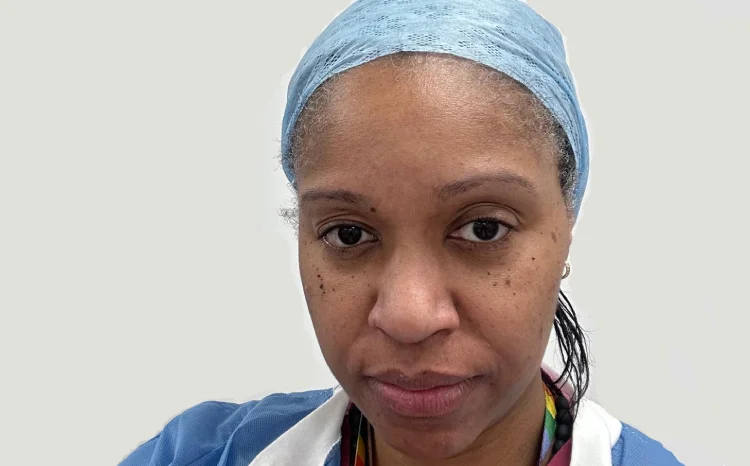
Dr. Swinda Esprit, clinical director for surgery and anaesthetics at Orpington and Princess Royal University Hospitals, emphasizes that this is not a luxury service, but a necessity for modern healthcare.
"Prehabilitation is not an ‘add-on’—it’s a critical part of improving surgical outcomes and protecting elective capacity," Dr. Esprit stated. "By trialling a digital prehab model, we can support patients to become physically and mentally ready for surgery in the comfort of their home. This approach aligns clinical quality with operational resilience, which is exactly what elective services need right now."
The perspective from the technology provider, QuestPrehab, echoes the need for structural change in perioperative care. Professor Tara Rampal, founder and chief executive at QuestPrehab, highlights the alignment with national guidelines.
"Recent guidance for hip and knee surgery highlights enhanced recovery pathways and perioperative optimisation as key levers to achieve best-practice lengths of stay close to zero or one day for joint replacement patients," Prof. Rampal explained. "By creating a consistent pool of surgery-ready patients ready to accept operation dates and reducing avoidable clinical cancellations, the trial is directly aligned with national work on theatre productivity and the National Perioperative Care Programme."
Prof. Rampal also addressed the practical concerns of implementing new technology within a large organization like the NHS. "Our digital model is scalable and cost-efficient. It doesn’t require any modifications to pre-existing infrastructure, processes, patient pathways, or systems, so it can be easily inserted into any healthcare provider."
The Broader Implications for the NHS
The implications of this trial extend far beyond a single hospital trust. The NHS faces a persistent challenge in managing theatre productivity. Cancellations on the day of surgery are costly, both financially and in terms of lost clinical time. When a patient arrives for a surgery they are not fit to undergo, the theatre slot is wasted, and the patient suffers the emotional setback of a cancelled procedure.
Reducing "Avoidable" Cancellations
By ensuring patients are in optimal health, the Orpington Hospital pilot aims to reduce these "avoidable" cancellations. If a patient is flagged as being at risk of a complication, their surgery can be postponed for a managed period to allow for further optimization, rather than having them arrive on the day of surgery only to be turned away.
Scalability and Infrastructure
One of the most significant barriers to digital health adoption in the NHS has historically been the burden of integration. Many digital tools require complex IT changes or significant staff training. The QuestPrehab model is specifically designed to be "infrastructure-agnostic." Its ability to plug into existing pathways makes it a highly attractive model for trusts under financial pressure.
The Rise of "Surgery-Ready" Cohorts
The concept of a "surgery-ready" cohort represents a shift in surgical scheduling. Rather than booking patients based purely on the date they joined the list, trusts might eventually move toward a model where patients are scheduled based on their clinical readiness. This could lead to higher surgical throughput and better long-term outcomes, as patients who are physically prepared for surgery typically experience faster recovery, reduced pain, and a lower likelihood of requiring secondary interventions or readmissions.
Conclusion: A New Standard for Elective Care?
The year-long pilot at Orpington Hospital serves as a high-stakes test case for the integration of digital health into secondary care. If the data from the 100-patient cohort demonstrates that digital prehabilitation leads to shorter hospital stays, fewer cancellations, and improved patient-reported outcome measures (PROMs), it will likely trigger a paradigm shift in how the NHS approaches the perioperative journey.
By empowering patients to take an active role in their own recovery, King’s College Hospital NHS Foundation Trust is demonstrating that the future of the NHS lies in the hybrid space where clinical expertise meets digital scalability. As the trial progresses toward its conclusion in 2027, the medical community will be watching closely to see if this digital bridge is indeed the solution to the long-standing hurdles of elective recovery.
The initiative is more than just a trial; it is a vision of a more resilient, efficient, and compassionate health service, one where the patient is prepared for surgery not just by the surgeon’s scalpel, but by a holistic, personalized, and technology-supported journey toward health.