Published: August 18, 2026
In the modern professional landscape, the human body is frequently subjected to the "sedentary trap." Whether you are anchored to an ergonomic office chair, navigating a grueling morning commute, or finding respite on a couch after a long day, the result is often the same: a state of constant physical compression. While these positions may feel like rest, they are, in physiological terms, a form of restriction. When we sit for extended periods, our muscles become shortened, stiff, and increasingly immobile.
To combat this, a growing movement of yoga practitioners and physical therapists is emphasizing the importance of the side body—an often-overlooked region of the torso that serves as the bridge between our upper and lower kinetic chains. This 12-minute, low-intensity, high-impact yoga sequence, designed by instructor Taylor Lorenz, offers a practical solution to the stiffness epidemic.
The Anatomy of Compression: Why Your Side Body Matters
The side body consists of the latissimus dorsi, the obliques, the intercostal muscles between the ribs, and the quadratus lumborum (QL). When we slouch, these muscles lose their elasticity. Over time, this leads to restricted breathing patterns, as the ribcage becomes less capable of full expansion, and persistent lower back pain, as the QL tightens to compensate for poor posture.
By engaging in intentional lateral movement, we are not merely "stretching"; we are signaling to the nervous system that it is safe to release long-held tension. This sequence focuses on slow, intuitive movement and extended holds, which are critical for reaching the deeper, connective tissues—the fascia—that typically do not respond to quick, ballistic movements.
Chronology of the 12-Minute Sequence
This sequence is designed to be accessible to everyone, from novice practitioners to seasoned athletes. You will need a single yoga block or a firm household prop to assist in deepening the stretches.
Phase 1: Preparation and Opening (Minutes 0–3)
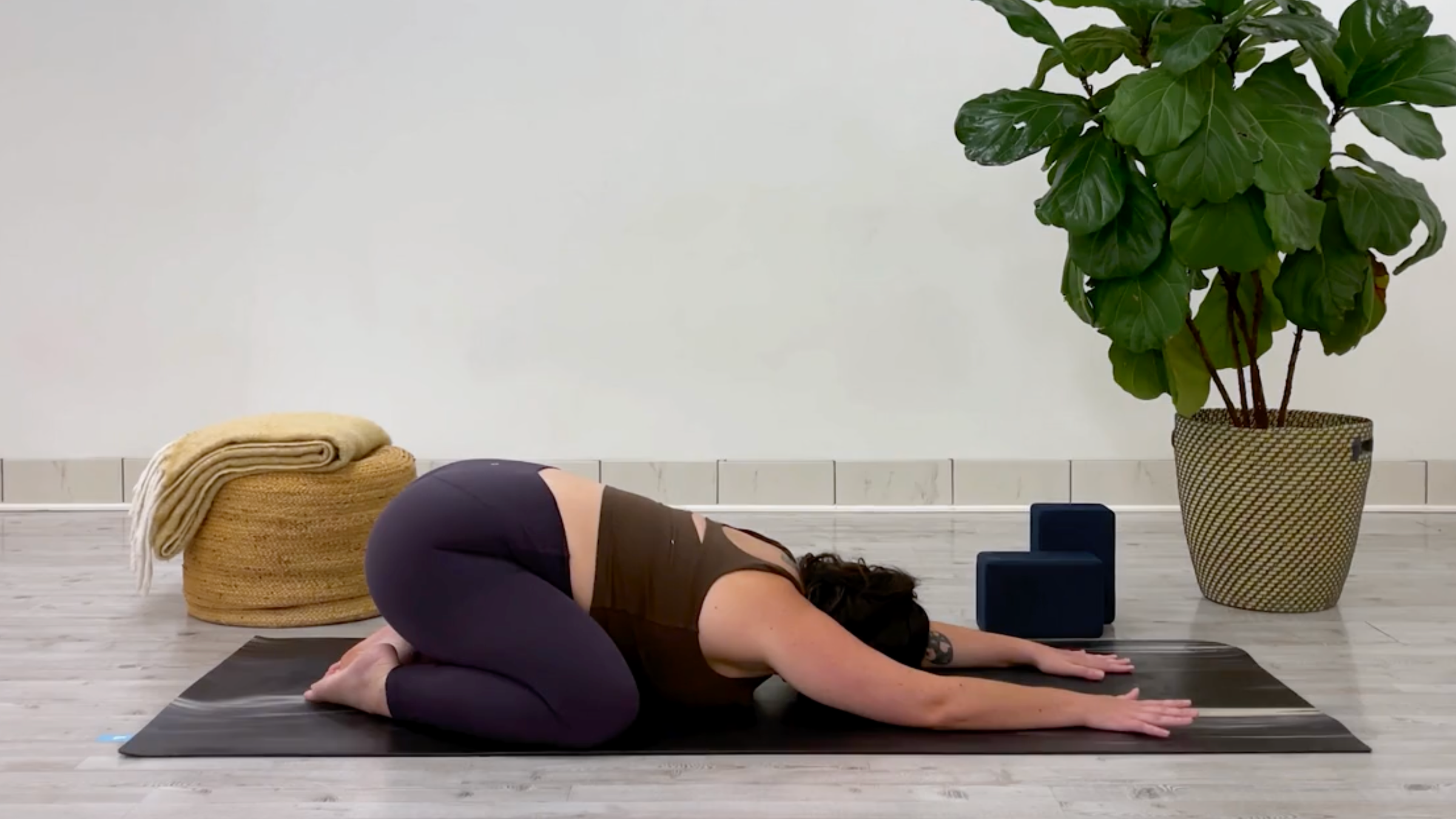
The practice begins with Child’s Pose. By widening the knees toward the edges of the mat, you create space for the torso to sink deeper toward the floor. Extending the arms forward engages the lats, while tenting the fingers—lifting the palms off the floor—adds an active engagement that lengthens the entire lateral line.
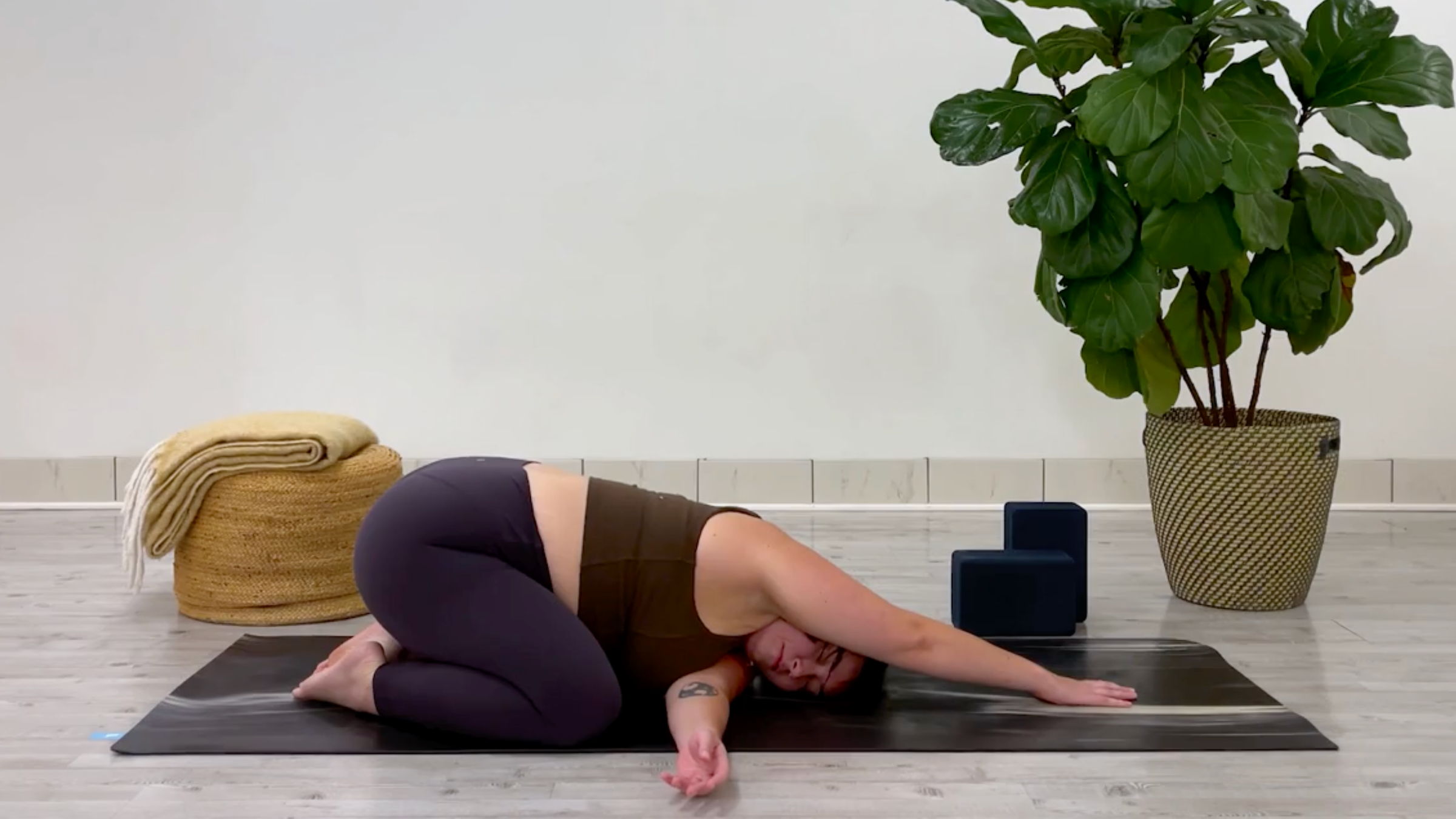
Following one minute of deep, diaphragmatic breathing, we move into Thread the Needle. This pose is transformative for the thoracic spine. By sliding the left arm under the chest, you rotate the upper body while anchoring the hips. Walking the right fingertips toward the left side of the mat intensifies the pull through the right ribcage, effectively "wringing out" the tension that accumulates behind the shoulder blades during hours of typing.
Phase 2: The Core Lateral Work (Minutes 4–8)
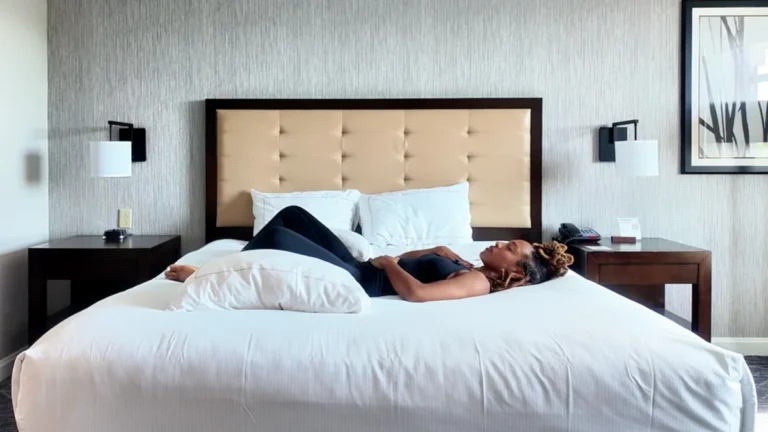
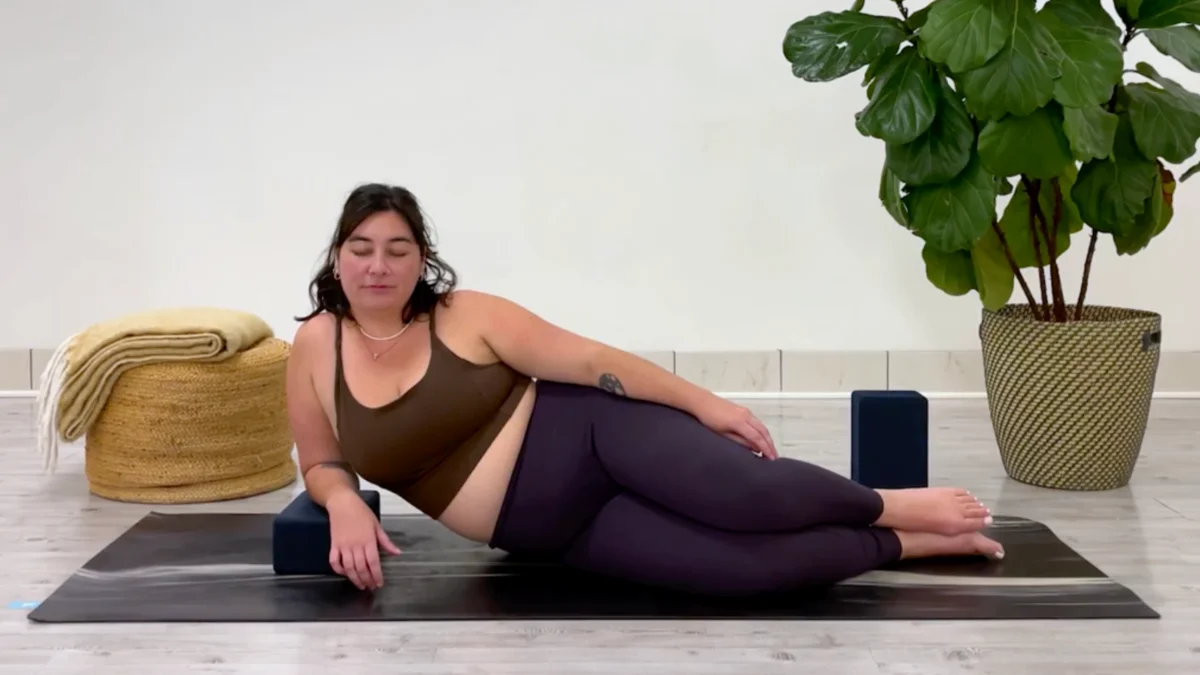
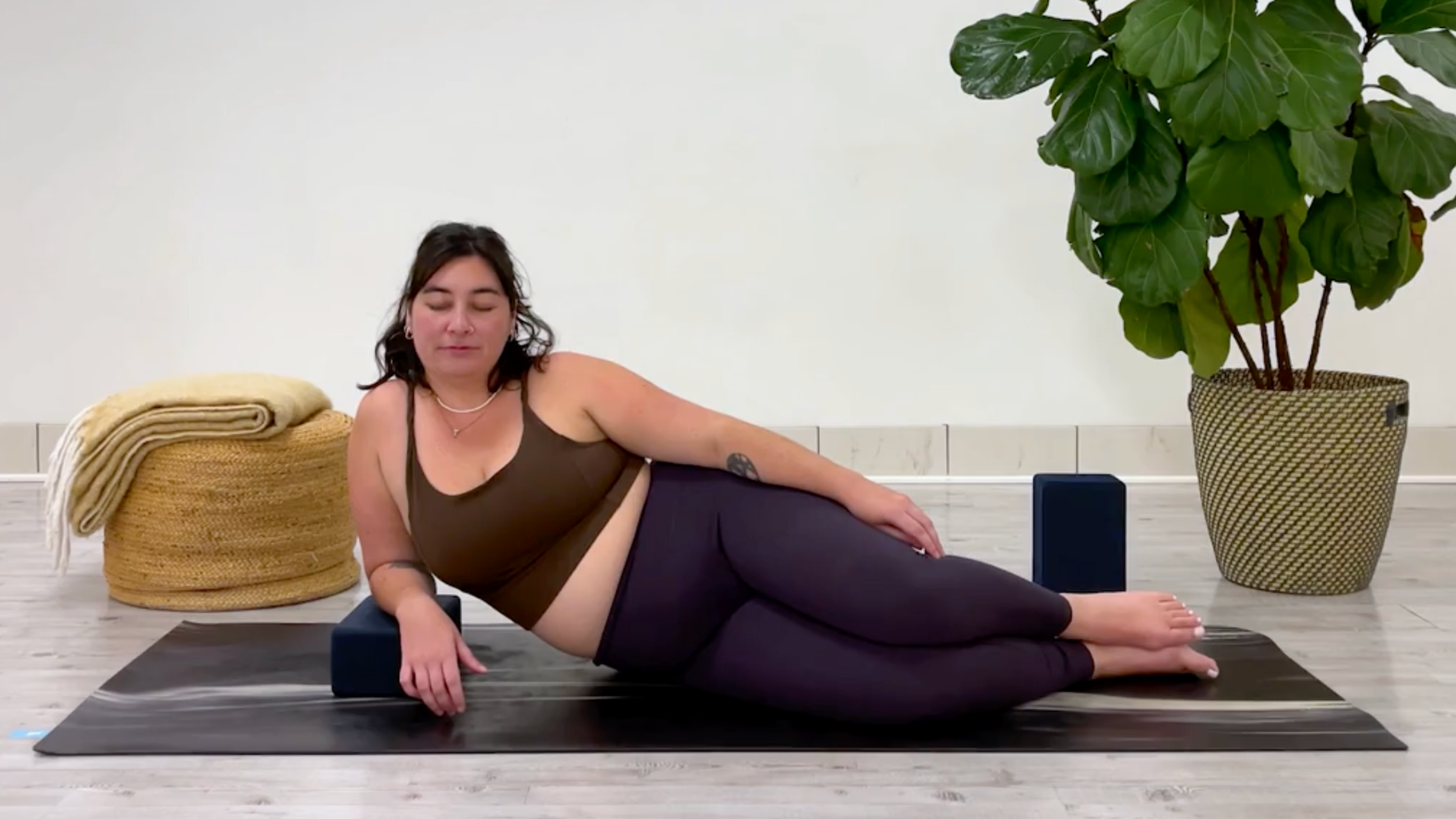
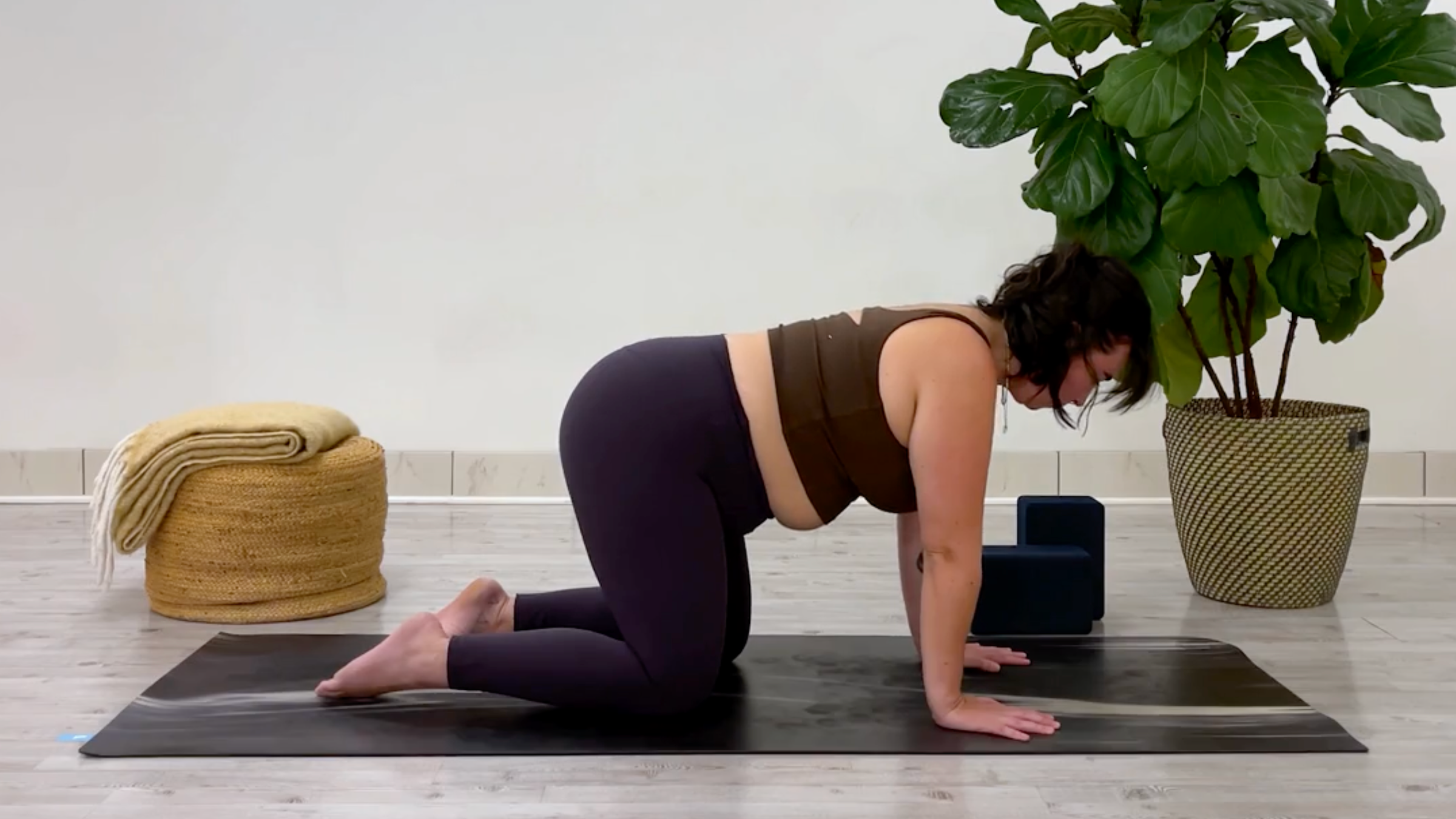
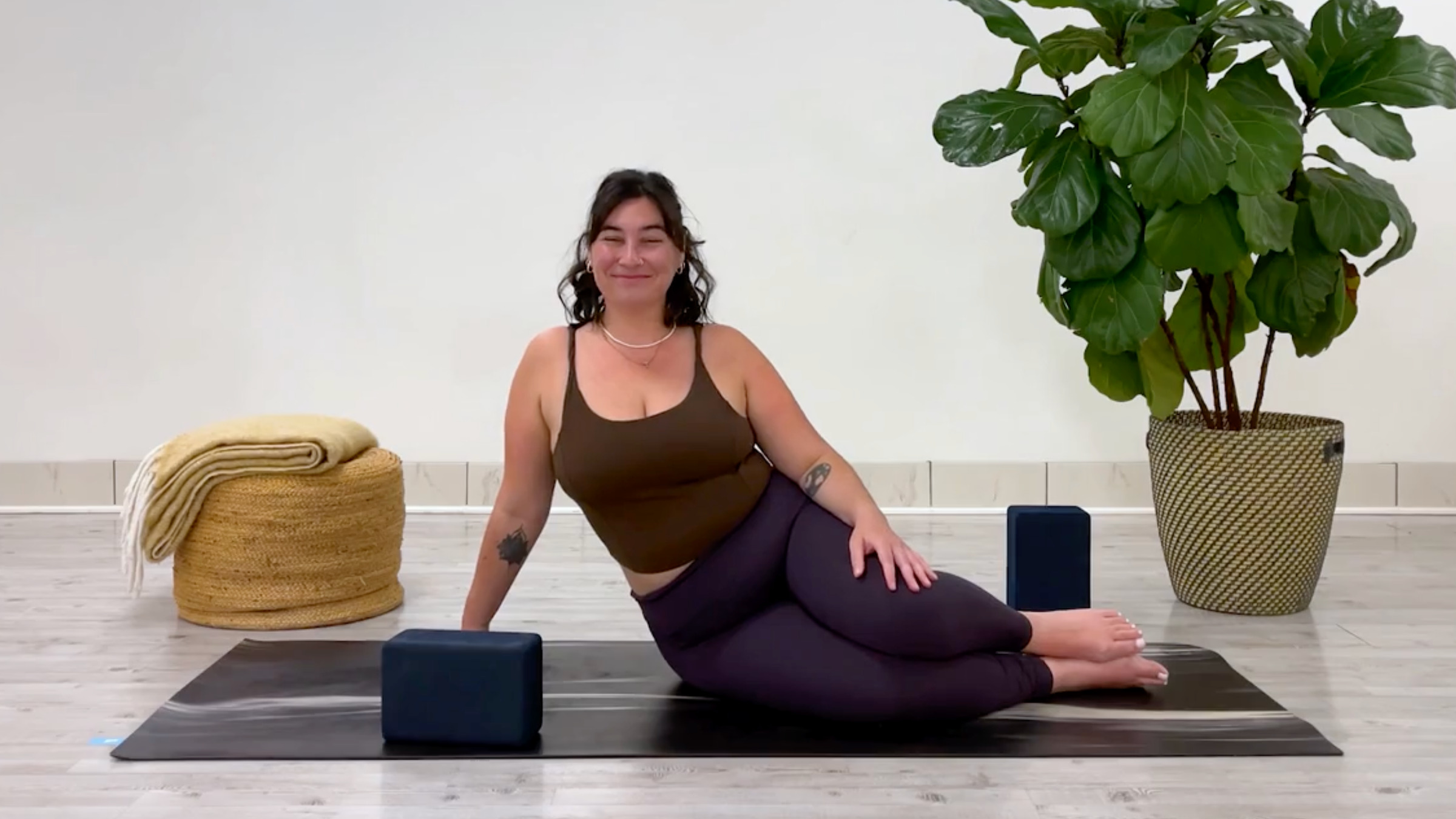
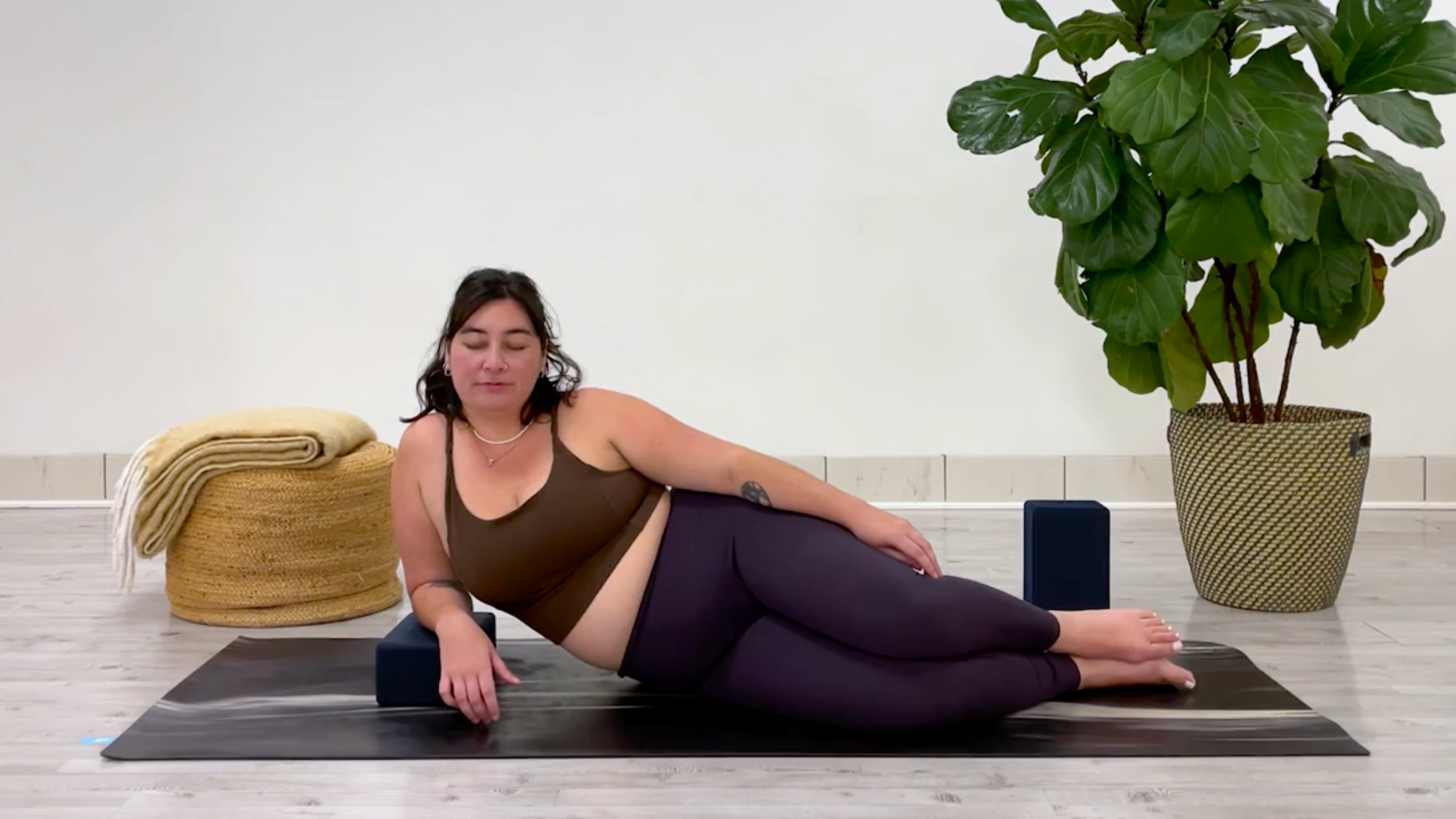
Transitioning through a brief Tabletop pose—ensuring the spine is neutral—we move into the Side-Lying Lounge. This is the centerpiece of the sequence. By resting on the side of the hip, you isolate the side body in a way that standing poses cannot.
For those seeking an active stretch, keeping the bottom hand away from the shoulder creates a muscular engagement that builds strength alongside flexibility. Conversely, for a restorative approach, using a block under the forearm allows the body to "slouch" safely, mimicking the sensation of resting on a couch but with the intentionality of a therapeutic release. Spending 1–3 minutes in this position allows the intercostal muscles to gradually soften, facilitating a deeper capacity for breath.
Phase 3: Integration and Conclusion (Minutes 9–12)
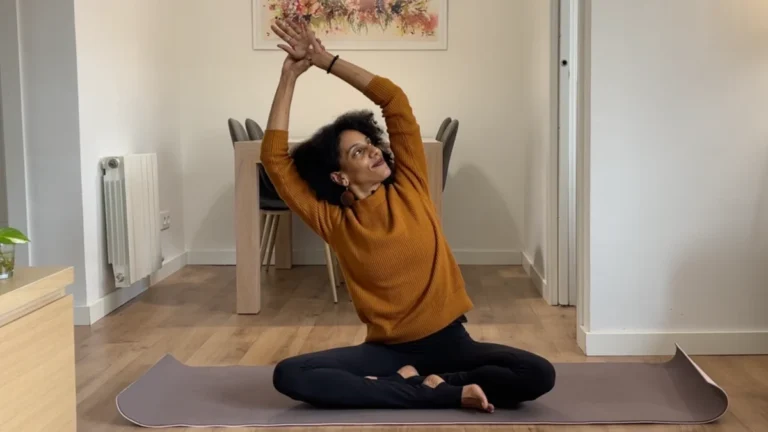
No yoga sequence is complete without spinal integration. Moving between Cow Pose (inhale, heart forward) and Cat Pose (exhale, spine rounded) provides a rhythmic reset for the vertebrae. This movement, when performed intuitively—incorporating hip circles or lateral sways—flushes the spinal fluid and prepares the body to return to a neutral state.
The practice concludes in Easy Pose or Savasana. This final rest is not "doing nothing"; it is a period of integration where the body maps the new range of motion it has achieved.
Supporting Data: The Science of Static Stretching
Clinical studies in sports medicine have consistently shown that holding a stretch for at least 60 seconds is the threshold at which the "stretch reflex"—the body’s natural tendency to tighten a muscle when it feels it is being pulled too far—begins to subside. By utilizing 1–3 minute holds, the Lorenz sequence bypasses this reflex, allowing the muscle fibers to elongate significantly more than they would in a standard 15-second "warm-up" stretch.
Furthermore, research published in the Journal of Bodywork and Movement Therapies suggests that lateral trunk mobility is a primary indicator of overall spinal health in adults over the age of 40. Participants who incorporated side-stretching routines reported a 22% reduction in perceived lower back discomfort over a six-week period.
Official Responses and Expert Perspectives
Physical therapists are increasingly endorsing these types of "micro-practices." Dr. Elena Vance, a specialist in ergonomic injury prevention, notes: "The mistake most people make is trying to ‘fix’ their posture all at once with a heavy gym workout. What they actually need is consistent, low-intensity decompression. Sequences that focus on the side body are brilliant because they address the breathing muscles, which are almost always tight in people who spend their days at a desk."
When asked about the accessibility of this specific 12-minute routine, yoga instructors emphasize that the intensity is entirely self-regulated. "The goal isn’t to look like the photos," says Taylor Lorenz. "The goal is to feel the breath moving into spaces of your body that haven’t been opened since you woke up."
Implications for Daily Wellness
The implications of adopting a routine like this extend far beyond the mat. By integrating these poses at intervals throughout the day—perhaps a quick Side-Lying Lounge during a lunch break or a few minutes of Child’s Pose before bed—you effectively break the cycle of "sedentary compression."
Key Takeaways for Practitioners:
- Consistency over Intensity: You do not need to push to the point of pain. Gentle, consistent tension is more effective for long-term mobility.
- Breath is the Tool: Use the inhalation to find length and the exhalation to sink deeper into the pose.
- Props are Partners: Do not view blocks as a sign of weakness; they are tools that allow you to hold poses longer by removing the need for muscular bracing.
In conclusion, the 12-minute side stretch is not merely a fitness routine; it is a vital maintenance protocol for the modern body. As we continue to navigate a world that requires us to be seated, our responsibility to our physical architecture grows. By dedicating a small portion of our day to these lateral movements, we can reclaim our mobility, improve our respiratory health, and mitigate the long-term impacts of the modern, sedentary lifestyle. Whether you perform the entire sequence or simply choose one pose to practice at your desk, the act of stretching is a powerful reclamation of your physical autonomy.