In the landscape of modern medicine, we often treat the heart, the kidneys, and the metabolic system as siloed entities. However, a groundbreaking shift in clinical perspective is currently underway, aiming to address a condition that affects nearly 90% of the U.S. adult population: Cardiovascular-Kidney-Metabolic (CKM) syndrome. Despite its staggering prevalence, a new survey from the American Heart Association (AHA) reveals a profound disconnect, with a large majority of Americans unfamiliar with the term, even as they grapple with the individual health markers that define it.
As healthcare providers prepare for a new era of integrated medicine, understanding CKM syndrome—and the systemic ripple effect it creates within the body—has become a public health imperative.
The Anatomy of CKM Syndrome: A Holistic Health Perspective
CKM syndrome is not a single disease, but rather a diagnostic framework that recognizes the interconnectedness of heart disease, kidney disease, diabetes, and obesity. The syndrome describes a state where these conditions—or the precursors to them—occur in concert, creating a "synergistic" effect that significantly amplifies the risk of cardiovascular events, such as heart attack, stroke, and heart failure.
The prevalence of this condition is alarming. According to recent data, approximately 90% of U.S. adults possess at least one risk factor linked to CKM syndrome. These include, but are not limited to, hypertension (high blood pressure), dyslipidemia (abnormal cholesterol levels), hyperglycemia (high blood glucose), excess adipose tissue (obesity), and diminished renal function.
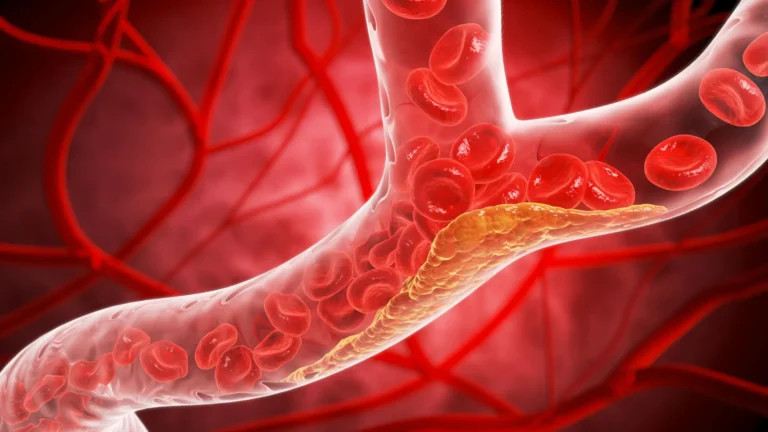
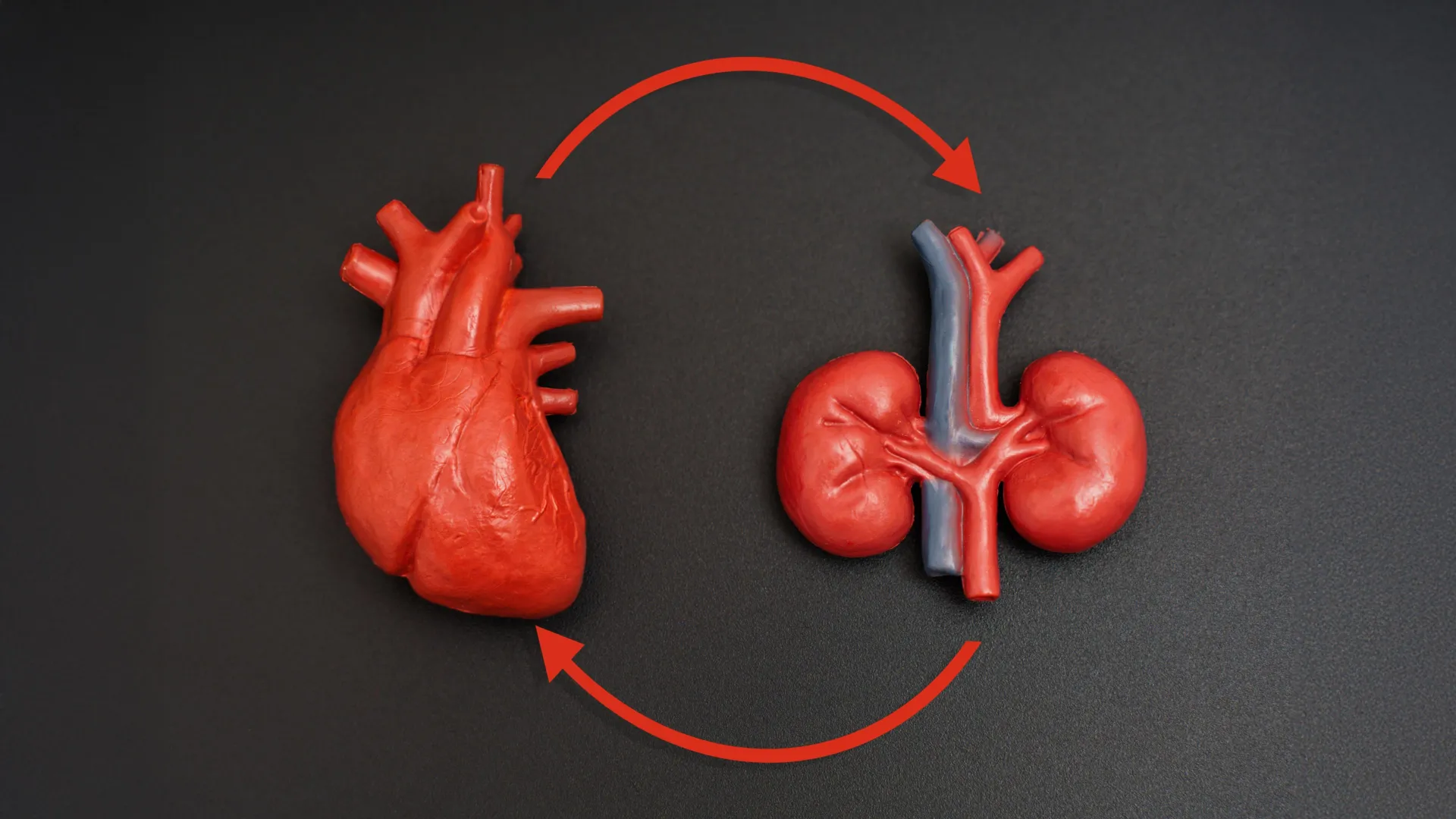
When these factors exist in isolation, they are manageable. When they cluster, they form a dangerous, self-reinforcing cycle. The metabolic system, responsible for energy storage and regulation, struggles under the weight of obesity and high blood sugar. This strain inevitably impacts the kidneys, which filter blood, and the heart, which must pump that blood through a compromised vascular system. If one system begins to falter, it places an unsustainable load on the others, creating a physiological "domino effect" that can lead to chronic, life-threatening illness.
Chronology of a Public Health Shift
The definition of CKM syndrome is relatively new, representing a departure from traditional, organ-specific medicine. For decades, patients were referred to cardiologists for heart issues, endocrinologists for diabetes, and nephrologists for kidney concerns. This fragmented approach often left the "gaps" between these specialties unaddressed.
- Pre-2023: Recognition of the link between these conditions existed, but lacked a cohesive clinical definition or unified treatment protocol.
- 2023-2024: The American Heart Association began formalizing the CKM Health Initiative, moving toward a framework that emphasizes interdisciplinary, collaborative care.
- August 2025: The Harris Poll, commissioned by the AHA, conducted a comprehensive survey of over 4,000 U.S. adults to gauge public awareness of this new terminology.
- Early 2026 (Forthcoming): The American Heart Association is scheduled to release the first-ever clinical guidelines dedicated specifically to the management and diagnosis of CKM syndrome.
This timeline reflects a fast-tracked effort to move from abstract medical theory to actionable clinical practice. By defining the syndrome, the medical community is attempting to pivot from "reactive" medicine—treating a heart attack after it happens—to "proactive" management of the metabolic and renal factors that cause the heart attack in the first place.
Supporting Data: The Awareness Gap
The survey conducted by The Harris Poll provides a stark look at the disparity between medical reality and public perception. While 90% of the population carries the risk, the term "CKM syndrome" remains virtually invisible in the public consciousness.
Key findings from the August 2025 survey indicate:
- Low Recognition: A vast majority of the 4,007 respondents had never encountered the term "CKM syndrome."
- High Interest: Despite the lack of initial knowledge, when the concept was explained, nearly 75% of participants immediately recognized the importance of the link and expressed a strong desire to learn more.
- The Power of Connection: Respondents indicated that once the "circular" nature of these health systems was explained, the logic of integrated treatment became self-evident.
The survey methodology, which utilized a rigorous Bayesian credible interval, ensures these results are accurate within ± 2.0 percentage points at a 95% confidence level. The data was meticulously weighted across demographics—including age, gender, race, income, and geographic region—to provide a representative snapshot of the American public.
Official Responses and Clinical Strategy
Eduardo Sanchez, M.D., FAHA, the American Heart Association’s chief medical officer for prevention, views the survey results as both a challenge and an opportunity.
"We want people to know that it’s really common to have heart, kidney and metabolic risk factors at the same time," Dr. Sanchez noted. "It is reassuring that once the CKM connection was defined, nearly three-quarters of those responding understood that it was important and wanted to learn more. The heart, kidney and metabolic systems are connected and, as such, should be treated in a coordinated way. These results reveal the need to emphasize those connections and help patients understand the importance of collaborative care."
The AHA is not merely releasing a label; it is building a movement. Through its CKM Health Initiative, the organization is launching an online resource hub aimed at bridging the education gap. For healthcare professionals, this means a shift toward interdisciplinary care models. For patients, it means a more streamlined approach to their health—one where a patient’s blood sugar levels are discussed with the same urgency as their blood pressure during a single, comprehensive check-up.
Implications: The Path to Reversibility
Perhaps the most optimistic takeaway from the current discourse on CKM syndrome is the potential for intervention. Unlike some genetic conditions, CKM syndrome is often preventable and, in its earlier stages, reversible.
The "full circle" approach to health advocated by the AHA emphasizes simple, consistent monitoring:
- Regular Screenings: Tracking blood pressure, cholesterol, weight, and blood glucose.
- Kidney Function Awareness: Recognizing that renal health is a bellwether for overall cardiovascular stability.
- Lifestyle Modification: Leveraging evidence-based changes in diet and physical activity to disrupt the cycle of metabolic strain.
- Coordinated Care: Encouraging patients to act as the "quarterback" of their own health, ensuring that their primary care provider is communicating effectively with specialists regarding these interconnected systems.
The implication for the future of medicine is significant. By viewing the body as a single, integrated machine, clinicians can intervene before a patient reaches the point of irreversible organ failure. The forthcoming clinical guidelines in 2026 are expected to provide the standard operating procedure for this transition, offering a roadmap for doctors to manage these overlapping conditions simultaneously.
Conclusion: A Call to Action
The rise of CKM syndrome as a formal medical designation represents a maturity in how we view human physiology. We are moving past the age of compartmentalized care and into an era of systems biology, where the interplay between the heart, the kidneys, and the metabolism is recognized as the foundation of longevity.
While the awareness gap currently remains wide, the rapid public interest following basic education suggests that Americans are ready for a more sophisticated, holistic approach to their health. As the American Heart Association continues to roll out its educational resources and prepare its clinical guidelines, the responsibility shifts to both the provider and the patient.
For the patient, the task is simple: advocate for a holistic view of your health. Do not treat your weight, your blood sugar, and your blood pressure as separate files in a drawer. They are threads in the same tapestry. By tending to all of them, we can prevent the fraying of the entire system, turning the tide on what has quietly become one of the most significant health challenges of the 21st century.
For more information on the CKM Health Initiative or to access educational resources, healthcare professionals and the public are encouraged to visit heart.org/CKMtools.
This initiative is made possible through the support of Founding Sponsors Novo Nordisk® and Boehringer Ingelheim, Supporting Sponsors Novartis Pharmaceuticals Corporation and Bayer, and Champion Sponsor DaVita®.