




In the rapidly evolving field of dental sleep medicine, the bridge between laboratory innovation and real-world clinical application has often been a challenge for practitioners. Panthera Dental, a global leader in the development of patient-matched oral appliances for the treatment of obstructive sleep apnea (OSA), is seeking to narrow that gap. The company has officially announced the launch of two major initiatives: the third iteration of its Sleep Research Grant and the formalization of its Case Report Project.
These programs are designed to empower independent researchers and clinicians, fostering a collaborative ecosystem that prioritizes data-driven outcomes, patient comfort, and the long-term efficacy of oral appliance therapy (OAT). By providing both financial resources and a platform for peer-reviewed clinical knowledge, Panthera is positioning itself at the vanguard of a movement to solidify the scientific standing of dental sleep interventions.
The Strategic Imperative: Bridging Research and Practice
For many patients suffering from obstructive sleep apnea, Continuous Positive Airway Pressure (CPAP) therapy remains the gold standard. However, intolerance, discomfort, and poor compliance rates continue to push a significant percentage of patients toward alternative solutions. Oral appliance therapy has emerged as a formidable competitor, yet its success is heavily contingent on the precision of the device and the expertise of the provider.
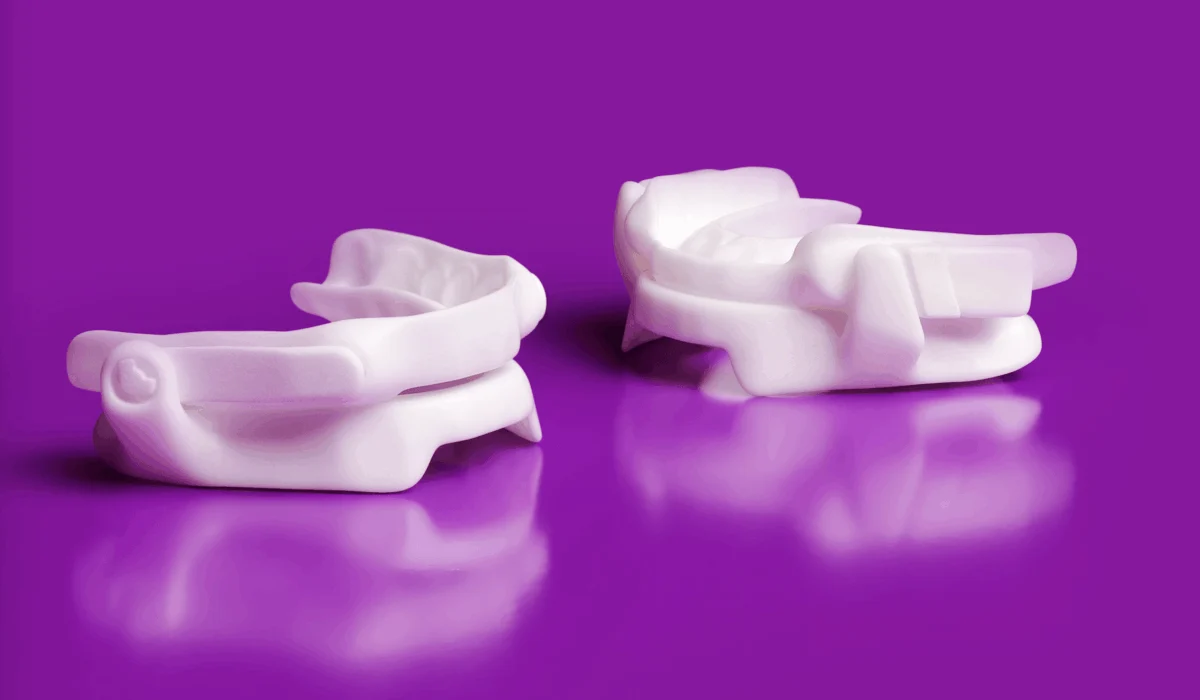
Panthera Dental’s latest initiatives represent a shift in the corporate paradigm. Rather than relying solely on internal R&D, the company is incentivizing the broader scientific community to investigate how their specific technologies—such as the Panthera Classic and the Panthera X3—perform in diverse, real-world patient populations.
The Third Panthera Sleep Research Grant
The flagship component of this announcement is the third edition of the Panthera Sleep Research Grant. Recognizing that independent, investigator-initiated research provides the most objective insights, the company is opening its doors to researchers who wish to explore the nuances of OAT.
The grant is structured to remove financial barriers that often stall innovative clinical studies. Successful applicants can receive:
- Direct Funding: Up to $10,000 to support research operations.
- Material Support: Provision of Panthera Classic or Panthera X3 oral appliances to facilitate study protocols.
- Regulatory Assistance: Up to $3,000 in dedicated funding to cover Institutional Review Board (IRB) or Ethics Committee (EC) submission fees, ensuring that studies meet the highest standards of academic rigor.
- Clinical Guidance: Case-by-case access to technical and clinical support teams within the company.
Applications for this cycle are currently open, with a window extending through October 31, 2026, allowing ample time for researchers to formulate robust study designs.
Chronology of Development: From Concept to Clinical Library
The journey toward these current initiatives did not happen overnight. It is the result of a multi-year effort to professionalize the educational offerings available to dentists specializing in sleep medicine.
2022–2023: The Foundation
Panthera initially explored the concept of grant-based research to better understand the physiological impact of their CAD/CAM-manufactured appliances. By funding early-stage pilot studies, the company identified a gap in the literature: while laboratory studies were plentiful, "real-world" clinical success stories were often anecdotal and scattered across private practices.
2024: The Inaugural Roundtable
Recognizing the value of the data being generated in private clinics, the company launched the Panthera Case Report Project. This initiative invited clinicians to document their most challenging or successful cases using a standardized format. This culminated in the first Panthera Annual Clinical Round-table, an exclusive event where industry thought leaders, surgeons, and sleep medicine dentists convened to dissect these case studies. The event served as a pilot for a larger, more structured knowledge-sharing network.
2025–2026: Scaling the Vision
The current phase marks the formal integration of these findings into the Panthera Academy. The company is now moving toward an "open-science" model, where the findings from the Case Report Project are being archived into an accessible library, providing a roadmap for practitioners who encounter similar patient profiles in their own practices.
Supporting Data: Why Evidence-Based OAT Matters
The efficacy of oral appliance therapy is fundamentally tied to the custom fit of the device. Panthera’s reliance on digital workflows—using intraoral scans to create a precise, patient-matched appliance—has historically shown high compliance rates. However, the company’s push for research is intended to move beyond simple compliance metrics.
Key Performance Indicators for Research
Through the new grant and case report initiatives, Panthera aims to collect longitudinal data on several critical fronts:
- Long-term Oral Health Stability: Monitoring the impact of long-term appliance wear on dentition and TMJ health.
- Apnea-Hypopnea Index (AHI) Reduction: Quantifying the specific reduction in AHI across varied anatomical profiles.
- Patient-Reported Outcomes (PROs): Shifting the focus from technical success to patient-centered metrics, such as daytime alertness, subjective quality of life, and ease of use.
- Chair-Time Efficiency: Evaluating how digital design and rapid manufacturing processes reduce the number of follow-up adjustments required, thereby increasing the economic viability of OAT for the general dentist.
By fostering this research, Panthera is effectively building a "clinical evidence library" that can be used by dentists to advocate for insurance coverage, educate patients, and justify the clinical necessity of their services to medical boards and referring physicians.
Official Perspectives: The Philosophy of Innovation
In an industry where technological stagnation can be a risk, the leadership at Panthera Dental has emphasized that these initiatives are part of a long-term commitment to the clinician.
Marc Morisset, Vice President of the Sleep Division at Panthera Dental, framed these efforts as an essential evolution of the company. "Panthera keeps research and development at the forefront of the company," Morisset stated in a recent press release. "The continuation of our research grant initiative into its third year and the Case Report Project, which has already led to the inauguration of our first Panthera Annual Clinical Round-table and our vision to create a real-world case library within the Panthera Academy, confirm our dedication to continuously improving our patient-matched oral appliances, prioritizing comfort, compliance, and chair time efficiency."
Morisset’s comments underscore a shift toward "collaborative manufacturing." By viewing the clinician as a research partner rather than a mere consumer, Panthera is effectively crowdsourcing the improvement of its product line, ensuring that the devices of tomorrow are designed based on the most pressing challenges faced by clinicians today.
Implications for the Future of Dental Sleep Medicine
The implications of these initiatives extend well beyond the commercial success of one company. For the broader medical community, this represents a significant maturation of the dental sleep medicine field.
Empowering the General Practitioner
General dentists who choose to specialize in sleep medicine often work in relative isolation. The Panthera Academy, enriched by the Case Report Project, provides these practitioners with a sense of community and a repository of best practices. This peer-to-peer learning model reduces the "learning curve" for new entrants to the field and elevates the standard of care for patients nationwide.
Advancing Toward Integrated Care
As more data is published through the research grant, it becomes easier to build a case for dental sleep medicine within the broader medical establishment. When dentists can present high-quality, independently verified research to pulmonologists, cardiologists, and primary care physicians, it facilitates a more integrated, interdisciplinary approach to sleep health. This is vital, as sleep apnea is increasingly recognized as a systemic condition with implications for cardiovascular health, hypertension, and metabolic function.
A New Standard for Industry Accountability
Panthera’s move to fund independent, investigator-initiated research—rather than strictly internal, biased studies—sets a positive precedent. It demonstrates a commitment to transparency that will likely challenge other manufacturers in the space to raise their own scientific standards. By supporting IRBs and providing clinical resources without strings attached to the research methodology, Panthera is essentially investing in the legitimacy of the entire oral appliance therapy category.
Conclusion
The launch of the third Panthera Sleep Research Grant and the expansion of the Case Report Project signal a pivotal moment for dental sleep medicine. By integrating financial support for research with a structured, community-driven platform for clinical knowledge, Panthera Dental is doing more than just selling appliances; they are fostering a robust, evidence-based discipline.
As the industry looks toward 2026 and beyond, the success of these initiatives will be measured by the quality of the studies published and the growth of the clinical library within the Panthera Academy. For the patient, this means better-designed, more comfortable, and scientifically validated treatments. For the practitioner, it means a more reliable, data-backed approach to managing obstructive sleep apnea. In the complex, often fragmented landscape of sleep medicine, Panthera’s initiative is a welcome step toward a more unified, collaborative, and evidence-driven future.