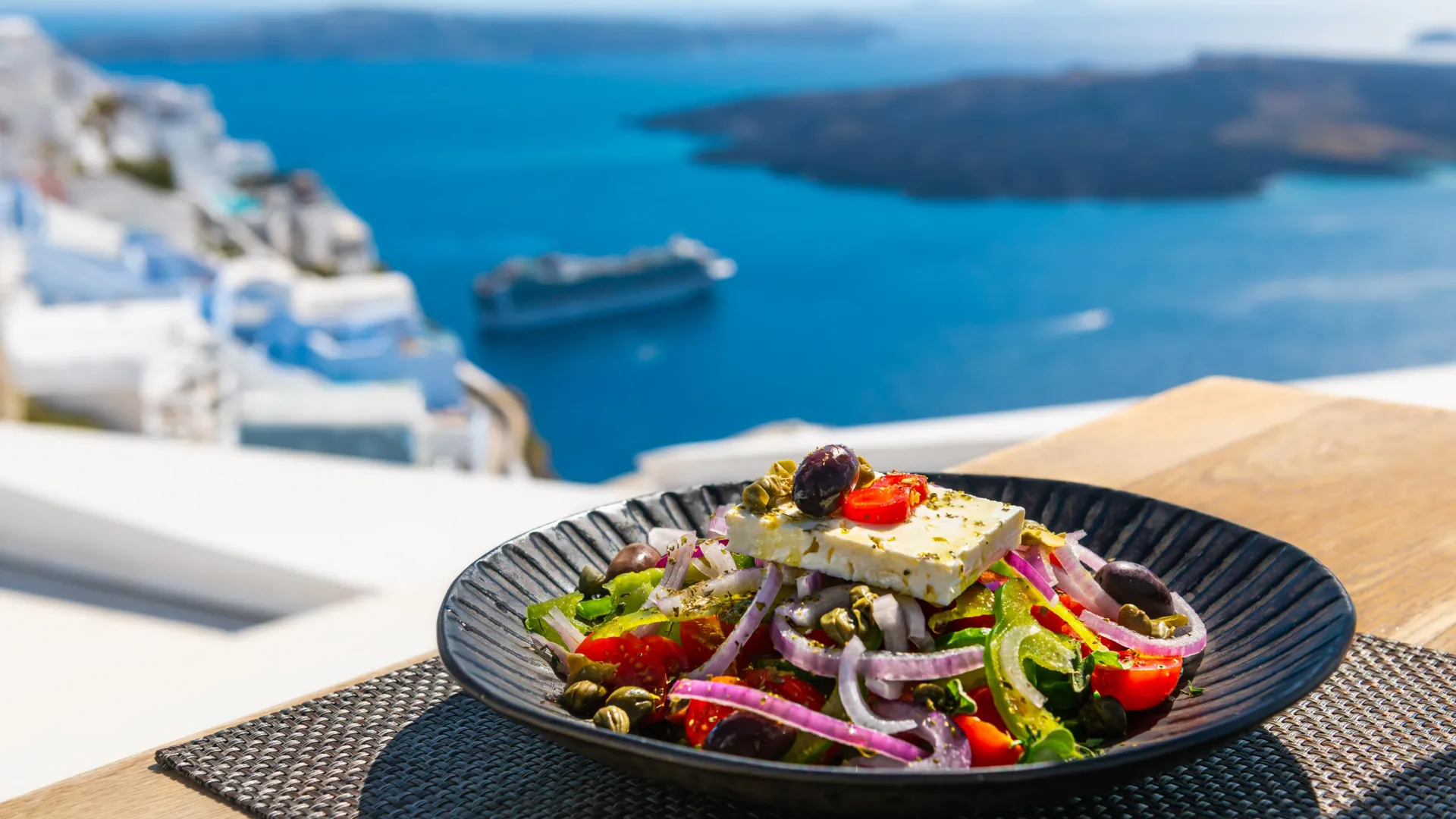
The Mediterranean diet has long held a gilded reputation in the annals of nutritional science, consistently linked to heart health and metabolic stability. However, a landmark clinical trial recently concluded in Spain suggests that the traditional "diet" is only half the battle. By adding three pragmatic, structured pillars—calorie reduction, regular physical activity, and professional behavioral support—researchers have demonstrated a potent, evidence-based strategy to halt the encroaching tide of type 2 diabetes.
The PREDIMED-Plus trial, the largest nutrition study of its kind in Europe, found that this integrated, high-intensity lifestyle approach reduced the risk of developing type 2 diabetes by 31%. As global rates of metabolic syndrome skyrocket, these findings offer a blueprint for primary care physicians and public health officials to shift the focus from reactive medical management to proactive, lifestyle-driven prevention.
The Evolution of a Proven Dietary Pattern
The PREDIMED-Plus study stands as a significant evolution of the original PREDIMED trial (2003–2010), which famously proved that a Mediterranean diet supplemented with extra virgin olive oil or nuts could reduce cardiovascular disease risk by 30%. While the initial trial focused on the protective qualities of specific foods, PREDIMED-Plus sought to answer a more complex question: could a comprehensive, calorie-conscious lifestyle intervention provide superior protection against the metabolic breakdown that leads to type 2 diabetes?
Between 2013 and 2024, a massive, multi-institutional effort—coordinated by the University of Navarra and funded by over €15 million from the European Research Council and the Spanish Carlos III Health Institute—mobilized more than 200 researchers across 22 universities and over 100 primary care centers. The goal was to rigorously test this "Mediterranean lifestyle" in a real-world setting.
The Methodology of the Study
The trial enrolled 4,746 adults aged 55 to 75. All participants shared a common profile: they were classified as overweight or obese and exhibited signs of metabolic syndrome, yet they had not developed type 2 diabetes or cardiovascular disease at the study’s inception.
The cohort was divided into two distinct groups:
- The Intervention Group: This group followed a Mediterranean diet with a daily reduction of approximately 600 calories. They were prescribed a regimen of moderate physical activity, including brisk walking and strength training, and received consistent, professional behavioral support to ensure adherence.
- The Control Group: This group maintained a traditional Mediterranean diet but received no specific instruction on calorie restriction, exercise, or weight loss.
Researchers followed these participants for six years, meticulously tracking the incidence of diabetes and changes in body composition.
Small Adjustments, Profound Results
The findings, published in the Annals of Internal Medicine, were definitive. The intervention group not only saw a 31% lower risk of developing type 2 diabetes, but they also exhibited significant improvements in body composition that the control group did not achieve.
On average, participants in the intensive intervention group shed 3.3 kg and reduced their waist circumference by 3.6 cm. In contrast, the control group saw minimal change, losing an average of only 0.6 kg and reducing their waist size by 0.3 cm. These metrics are critical because visceral abdominal fat is a known driver of systemic inflammation and insulin resistance.
In practical terms, the researchers estimated that for every 100 participants, the program prevented three cases of type 2 diabetes. While this may sound modest in isolation, when scaled across the hundreds of millions of people currently at high risk globally, the potential for preventing new diagnoses is staggering.
Expert Perspectives: A New Standard of Care
The medical community has greeted the results with significant interest, viewing them as a "gold standard" for lifestyle intervention. Miguel Ángel Martínez-González, Professor of Preventive Medicine and Public Health at the University of Navarra and an Adjunct Professor at Harvard University, served as one of the study’s principal investigators.
"Diabetes is the first solid clinical outcome for which we have shown—using the strongest available evidence—that the Mediterranean diet with calorie reduction, physical activity, and weight loss is a highly effective preventive tool," Martínez-González stated. He emphasized that these are not radical, short-term fads, but rather "modest and sustained lifestyle changes" that, if applied at scale, could prevent thousands of new diagnoses annually.
Miguel Ruiz-Canela, the study’s lead author and Chair of the Department of Preventive Medicine at the University of Navarra, underscored the synergy of the program. "The Mediterranean diet acts synergistically to improve insulin sensitivity and reduce inflammation. By combining calorie control and physical activity, we enhance these benefits. It is a tasty, sustainable, and culturally accepted approach that offers a practical way to combat a disease that is, to a large extent, avoidable."
The Global Health Context: A Crisis of Modern Living
The urgency of these findings cannot be overstated. According to the International Diabetes Federation, over 530 million people worldwide are living with diabetes. The rapid rise of this chronic condition is intrinsically linked to the "modern environment": urbanization, the proliferation of ultra-processed diets, increasingly sedentary jobs, and the aging of the global population.
In Spain, the prevalence is particularly concerning, with roughly 4.7 million adults affected—one of the highest rates in Europe. The United States faces an even steeper challenge, with 38.5 million people diagnosed and some of the highest per-patient healthcare costs in the world. As these numbers continue to climb, the shift toward prevention is not just a health imperative; it is an economic necessity.
Beyond Diabetes: Strengthening the Evidence Base
Since the primary diabetes findings were established, subsequent PREDIMED-Plus research has deepened our understanding of why this lifestyle works.
- Body Composition and Lean Mass: A 2024 analysis published in JAMA Network Open revealed that the intervention helped participants reduce both total and visceral fat while simultaneously slowing the age-related loss of muscle mass (sarcopenia). This is vital for older adults, as muscle mass is essential for metabolic health and physical mobility.
- Cardiovascular Resilience: A 2026 study in BMC Cardiovascular Disorders explored the impact of sedentary time on heart health. It found that replacing sedentary behavior with active movement resulted in favorable five-year changes in high-sensitivity troponin T, a biomarker for cardiac stress.
- The Quality of Fats: An analysis of the original PREDIMED data, also released in 2026, reinforced the importance of the quality of the Mediterranean diet. Researchers found that a higher intake of high-quality extra virgin olive oil was more strongly associated with reduced cardiovascular risk than common olive oil. This serves as a vital reminder that the Mediterranean diet is not merely about restricting intake; it is about the superior biological properties of specific, high-quality ingredients.
Implementation: Challenges and Policy Implications
In an accompanying editorial in the Annals of Internal Medicine, experts Sharon J. Herring and Gina L. Tripicchio of Temple University praised the study’s rigor but offered a necessary caveat. They noted that implementing this "Mediterranean lifestyle" in non-Mediterranean regions, such as the United States, is not as simple as asking patients to eat more greens.
"Bringing this strategy to the U.S. would require more than individual willpower," the authors argued. They pointed to structural barriers, including "food deserts" where fresh produce is unavailable, urban environments designed for cars rather than pedestrians, and a healthcare system that often prioritizes pharmaceutical intervention over the time-intensive support required for lifestyle counseling.
They suggest that if society is to benefit from these findings, public policy must evolve. Governments and health systems need to invest in environments that make healthy choices the default—such as incentivizing the production of healthy foods, creating walkable urban spaces, and ensuring that access to nutritionists and lifestyle coaches is a standard part of primary care, rather than a luxury service.
Conclusion: A Sustainable Path Forward
The PREDIMED-Plus trial arrives at a time when the medical world is captivated by the rapid development of new weight-loss and diabetes medications. While these drugs are undoubtedly revolutionary, the PREDIMED-Plus study serves as a crucial reminder that lifestyle remains the most potent tool in our arsenal.
By combining the timeless wisdom of the Mediterranean diet with the modern requirements of caloric awareness and physical activity, this trial has provided a roadmap for a healthier future. It is a testament to the fact that, when supported by science and professional guidance, simple, sustainable changes can indeed turn the tide on the world’s fastest-growing chronic diseases. As the researchers continue to analyze the long-term data, the message remains clear: the most effective medicine may not be found in a pill, but in the sustained, daily habits we choose to cultivate.