For many, the physical changes that accompany life after 60—specifically the accumulation of a "belly pooch"—are a source of frustration. While often dismissed as an inevitable consequence of aging, this shift in body composition is frequently a signal that the body requires a refined approach to movement, nutrition, and metabolic support. Achieving a leaner, more resilient physique in your seventh decade is not about grueling, high-impact gym sessions; rather, it is about strategic, sustainable, and functional movement that prioritizes long-term health.
The following guide explores the physiological, practical, and lifestyle-based strategies to address lower abdominal softness by leveraging standing, full-body exercises that build lean muscle and enhance metabolic function.
The Physiology of the "Pooch": Why It Happens and How to Address It
The "belly pooch" is a colloquial term for the concentration of adipose tissue in the lower abdominal region. After 60, several biological factors converge to make this area more prominent. Firstly, there is a natural decline in muscle mass—a process known as sarcopenia—which lowers the resting metabolic rate. Secondly, hormonal shifts, particularly a decrease in growth hormone and sex steroids, can lead to a redistribution of fat toward the midsection. Finally, decreased physical activity levels often result in a caloric surplus that the body is less equipped to manage.
However, the real target is not merely "fat loss" in a vacuum; it is body composition. By shifting the focus from localized ab exercises to large-muscle compound movements, you can create a more efficient "metabolic furnace." Engaging the glutes, hamstrings, quads, and back muscles forces the body to burn more calories during and after the workout.
Chronology of Change: Building a Sustainable Routine
Transformation after 60 does not happen overnight; it is the result of consistent, incremental progress. When beginning a new movement regimen, it is vital to follow a structured progression to ensure safety and long-term adherence.
Phase 1: The Foundation (Weeks 1–4)
Focus on learning the mechanics of the movements. Prioritize bodyweight variations of the exercises listed below. The goal here is "neuromuscular adaptation"—teaching your brain and muscles to work together efficiently.
Phase 2: The Strengthening Phase (Weeks 5–12)
Introduce external resistance, such as light dumbbells. At this stage, you are no longer just practicing movement; you are providing the stimulus necessary for muscle hypertrophy. Consistency in rep quality is more important than the weight on the dumbbells.
Phase 3: The Maintenance and Habit Phase (Ongoing)
Once the movements are second nature, focus on "progressive overload." This doesn’t necessarily mean lifting heavier; it can mean reducing rest times, increasing the number of reps, or focusing on slower, more controlled eccentric (lowering) phases of each movement.
Supporting Data: Why Standing Exercises Outperform Floor Work
While traditional floor-based abdominal work (like crunches) has its place, standing exercises provide a superior "bang for your buck" for the aging adult. Research indicates that standing movements recruit the stabilizer muscles of the entire core—including the deep transverse abdominis—far more effectively than lying down.
Furthermore, standing exercises integrate the legs and hips, which are the largest muscle groups in the body. When you work these large groups, the systemic demand on your cardiovascular and metabolic systems increases significantly. This leads to:
- Improved Insulin Sensitivity: Better blood sugar management helps prevent fat storage in the abdominal area.
- Enhanced Posture: A strong core acts as a corset, naturally pulling in the stomach and alleviating back pain.
- Functional Longevity: Exercises that mimic daily movements—like standing up from a chair or carrying groceries—translate directly to improved quality of life.
Four Essential Standing Movements
To build a routine that feels direct, simple, and useful, incorporate these four movements into your weekly schedule.
1. Dumbbell Ski Swings
The dumbbell ski swing is a full-body powerhouse. It mimics the motion of cross-country skiing, training the posterior chain (glutes, hamstrings, and back) while providing a cardiovascular challenge.
- The Technique: Stand with feet hip-width apart, holding a light dumbbell in each hand. Hinge at the hips, sending your glutes back while keeping your back flat. As you return to a standing position, use the momentum of your hips to swing the weights up to shoulder height.
- Why it works: The hinge pattern is the most effective way to engage the core without straining the lower back. By bracing your abs during the swing, you create a rigid, powerful torso.
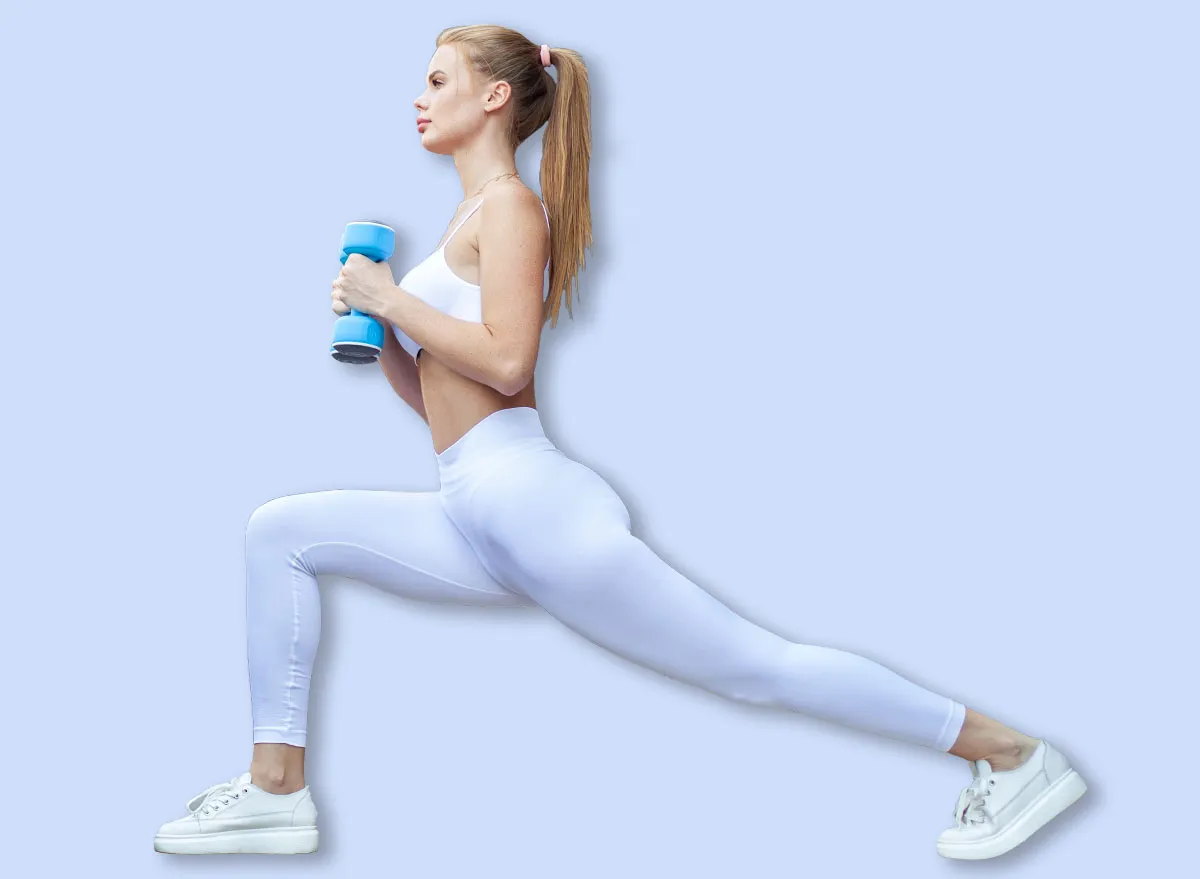
2. Goblet Reverse Lunges
Lunges are superior to squats for many seniors because they require less mobility in the ankles and hips while providing an intense unilateral (single-leg) challenge.
- The Technique: Hold a single dumbbell vertically against your chest (the "goblet" position). Step backward with one foot, lowering your back knee toward the ground while keeping your torso upright. Drive through the heel of your front foot to return to standing.
- Why it works: The goblet hold forces your deep core muscles to stabilize your spine against the weight held in front of you. This prevents the "pooch" from protruding by maintaining constant abdominal tension.
3. Alternating Step-Ups
This is a functional movement that builds strength in the quads and glutes, muscles that are essential for climbing stairs and maintaining independence.
- The Technique: Find a sturdy, low platform. Step up with one foot, driving your body upward, then step down with control. Alternate legs.
- Why it works: Because this is a unilateral movement, your core must work overtime to keep you balanced, providing a constant stimulus to the abdominal wall.
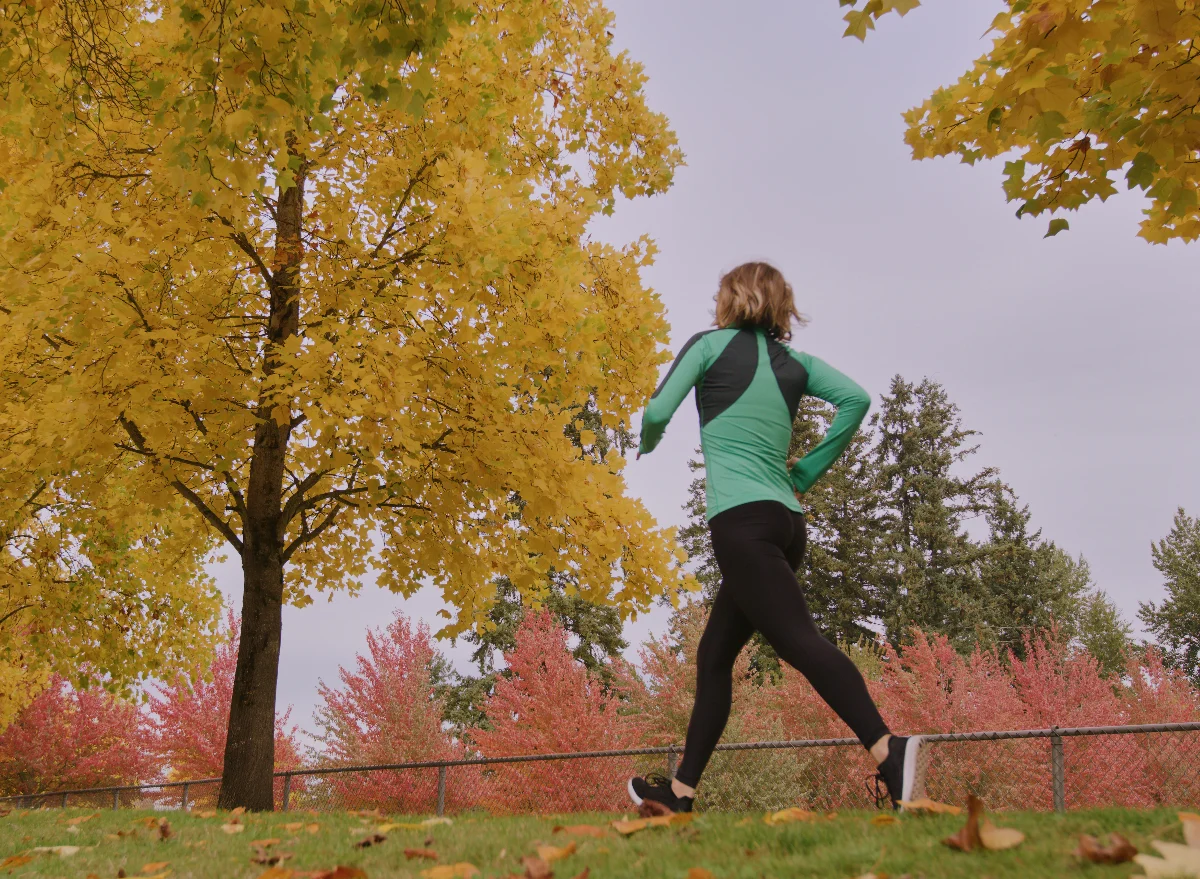
4. Walking: The Daily Anchor
Walking is the most underrated tool for fat loss. Unlike high-intensity intervals, which can sometimes lead to excessive cortisol production—a hormone associated with belly fat—consistent, moderate-intensity walking supports a steady metabolism and joint health.
- The Strategy: Aim for an increasing step count. If you currently hit 4,000 steps, aim for 5,000 next week. Break these up into 10-minute "mini-walks" after meals to help manage post-prandial glucose levels.
Official Perspectives: Expert Guidance on Aging and Fitness
Exercise physiologists and geriatric specialists emphasize that the "belly pooch" is rarely a purely aesthetic issue; it is often a clinical marker of visceral fat. According to the National Institutes of Health, visceral fat—the fat stored deep around the organs—is the primary concern after 60, rather than the subcutaneous fat that forms the visible "pooch."
By incorporating strength training, experts argue that we are doing more than just tightening the waistline; we are protecting our bone density and metabolic health. The recommendation is a minimum of 150 minutes of moderate activity per week, combined with at least two days of strength training.
Implications: The Path to Long-Term Success
The journey to a leaner physique after 60 requires a shift in mindset. It is not about "fixing" a flaw, but about empowering your body to function at its highest level. The implications of adopting this routine extend far beyond the mirror. By committing to these four movements, you are:
- Improving Mobility: You will find that daily tasks—carrying groceries, gardening, or playing with grandchildren—become easier.
- Boosting Confidence: Mastering physical movements provides a sense of agency and self-efficacy that improves mental well-being.
- Ensuring Sustainability: Because these exercises can be done at home with minimal equipment, the barrier to entry is low, making it much more likely that you will stay consistent for the long haul.
Conclusion
Shrinking the belly pooch after 60 is an achievable goal, provided you stop looking for "quick fixes" and start building a foundation of strength. By focusing on the glutes, hips, and core through functional, standing movements, you can reshape your body composition, improve your metabolism, and move with the strength and confidence that define your best years.
Start slow, listen to your body, and remember that every step—and every rep—is a building block toward a healthier, more vibrant version of yourself.