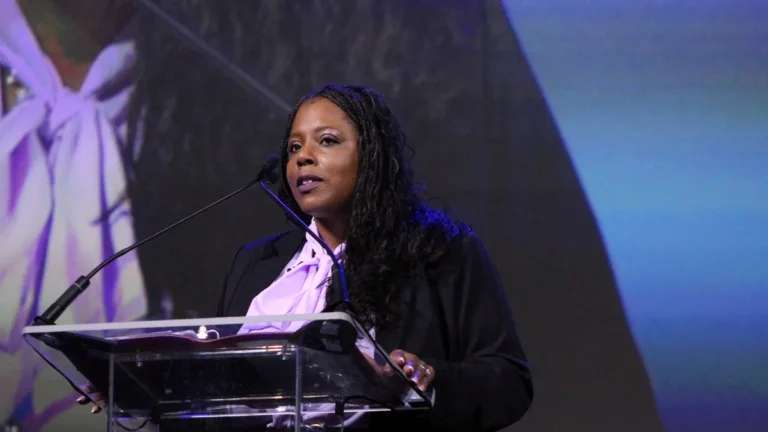






In a decisive move that could reshape the landscape of seasonal respiratory virus prevention, a panel of independent advisers to the U.S. Food and Drug Administration (FDA) has voted unanimously to endorse Moderna’s seasonal mRNA flu vaccine. The recommendation, delivered by the Vaccines and Related Biological Products Advisory Committee (VRBPAC) on Thursday, marks a significant milestone for the biotech giant, effectively clearing a major regulatory hurdle that had, only months prior, seemed insurmountable.
The unanimous vote concluded that the benefits of the mRNA-based influenza vaccine—which utilizes the same technology behind Moderna’s successful Covid-19 shots—outweigh the potential risks for both adults aged 50 to 64 and the elderly population aged 65 and older. While the FDA is not legally bound to follow the advice of its advisory committees, it typically does so, suggesting that a formal licensing decision is likely on the horizon.
A Turbulent Path: The Chronology of a Regulatory Standoff
The journey to this week’s endorsement was far from smooth. To understand the significance of Thursday’s vote, one must look at the turbulent history of the vaccine’s application.
The Initial Rejection
Earlier this year, the mRNA-based flu vaccine project faced a dramatic setback. In a move that sent shockwaves through the biotech sector, a senior FDA official briefly refused to even accept Moderna’s application for review. This rare procedural roadblock sparked industry speculation regarding the agency’s stance on the data package provided by the manufacturer. At the time, the refusal underscored the high bar the FDA sets for new vaccine platforms, particularly when those platforms seek to enter the established, highly competitive seasonal flu market.
The Reconciliation
Following the initial refusal, intense dialogue between Moderna and the FDA occurred behind closed doors. The company worked to address concerns regarding the clinical trial endpoints and the specific data required to prove non-inferiority or superiority to existing egg-based or cell-based flu vaccines. By the time the matter reached the VRBPAC meeting, the regulatory tone had shifted from confrontational to collaborative, with FDA staff presentations indicating that the agency now viewed the application as having cleared sufficient hurdles to merit a path toward licensure.
The Advisory Committee Hearing
During the Thursday session, the VRBPAC reviewed extensive clinical data presented by both Moderna and the FDA’s own review team. The discussion centered on whether an mRNA-based platform offers enough clinical benefit—such as higher efficacy or faster manufacturing response times—to justify its place in a market currently dominated by traditional technologies. The panel’s unanimous vote served as a powerful signal of confidence in the safety and immunogenicity profiles of the vaccine.

Supporting Data: Why mRNA for Flu?
The core argument for Moderna’s vaccine rests on the precision and flexibility of mRNA technology. Traditional flu vaccines, which have been used for decades, rely on growing influenza viruses in chicken eggs. This process is time-consuming and prone to "egg-adaptive mutations," which can lead to a mismatch between the vaccine strain and the circulating virus, ultimately reducing efficacy.
Immunogenicity and Safety
Data presented to the committee highlighted that the mRNA vaccine consistently induced robust immune responses in the target age groups. For the 65-and-older cohort, the vaccine demonstrated strong antibody titers, a critical metric for a demographic that is typically more susceptible to severe flu-related complications. Furthermore, the safety profile observed in the clinical trials was reported to be consistent with other mRNA vaccines, characterized by expected reactogenicity such as soreness at the injection site, fatigue, and low-grade fever.
The Accelerated Pathway
A pivotal aspect of the discussion was the regulatory pathway. Staff presentations at the meeting clarified that the FDA is contemplating a dual approach:
- Traditional Pathway: For the 50 to 64 age group, where the data is robust enough to meet standard licensing requirements.
- Accelerated Pathway: For the 65-plus age group, relying on surrogate endpoints to speed up the approval process, a strategy that is not uncommon for vaccines targeting high-risk populations.
Wellington Sun, a former FDA official who provided public comment during the meeting, reminded the panel that the accelerated pathway is a well-trodden road in the vaccine world. Sun, who previously worked for Moderna but has since departed, noted that multiple flu vaccines currently on the market were licensed via similar accelerated mechanisms, emphasizing that the FDA has established protocols for managing such approvals to ensure post-market safety.
Official Responses and Industry Context
The mood at the FDA hearing was one of professional rigor. FDA staff, who often act as the "gatekeepers" during these meetings, presented a nuanced view. While they acknowledged the initial friction regarding the application, their presentations focused on the technical merits of the data provided, suggesting that the initial refusal was a procedural safeguard rather than a permanent rejection of the technology.
Moderna’s representatives emphasized the public health utility of the mRNA platform. By pivoting to mRNA, the company argues that it can better "match" circulating strains with the vaccine formula, as the manufacturing process is synthetic and does not require the cultivation of viruses in eggs. This could potentially reduce the time between identifying a new strain and mass-producing a corresponding vaccine from months to weeks.

Implications: The Future of Influenza Prevention
The implications of a successful rollout for this vaccine extend far beyond a single product.
Competition in the Vaccine Market
The introduction of an mRNA flu vaccine will force legacy players—companies like GSK, Sanofi, and Seqirus—to reassess their strategies. If the mRNA vaccine proves to be more effective, especially in the elderly, it could quickly become the standard of care. This would represent the most significant technological shift in influenza prevention since the introduction of high-dose and adjuvanted vaccines.
Pandemic Preparedness
Beyond seasonal flu, the validation of an mRNA flu vaccine has massive implications for pandemic preparedness. If a novel influenza virus with pandemic potential emerges, the ability to rapidly swap the mRNA sequence in an already-approved platform could be the difference between a controlled outbreak and a global catastrophe. The FDA’s willingness to move forward suggests that they view this vaccine not just as a seasonal product, but as a test case for a more agile future.
Challenges Ahead
Despite the positive vote, challenges remain. The healthcare system must now grapple with the logistics of integrating a new, potentially more expensive vaccine into existing distribution channels. Furthermore, public perception of mRNA vaccines—which became highly polarized during the Covid-19 pandemic—will remain a factor in uptake rates. Moderna and public health officials will need to engage in clear communication to ensure that the public understands the specific benefits of this technology for the seasonal flu.
Conclusion
The unanimous recommendation from the VRBPAC is a resounding win for Moderna and a significant validation of the mRNA platform’s versatility. As the FDA moves toward a final decision, the healthcare community will be watching closely. Should the agency follow the panel’s recommendation and grant licensure, it will signal the beginning of a new chapter in infectious disease management—one where the speed and precision of digital-age biotechnology are brought to bear against the ancient, recurring threat of the seasonal flu.
While the "restricted" nature of the initial application process created a narrative of controversy, the end result appears to be a triumph of evidence-based medicine. The hurdle was high, but the science, in the eyes of the independent advisers, was sufficient to clear it. The path is now open for a vaccine that could eventually protect millions, proving that even the most rigorous regulatory scrutiny can ultimately lead to innovation that benefits the public good.