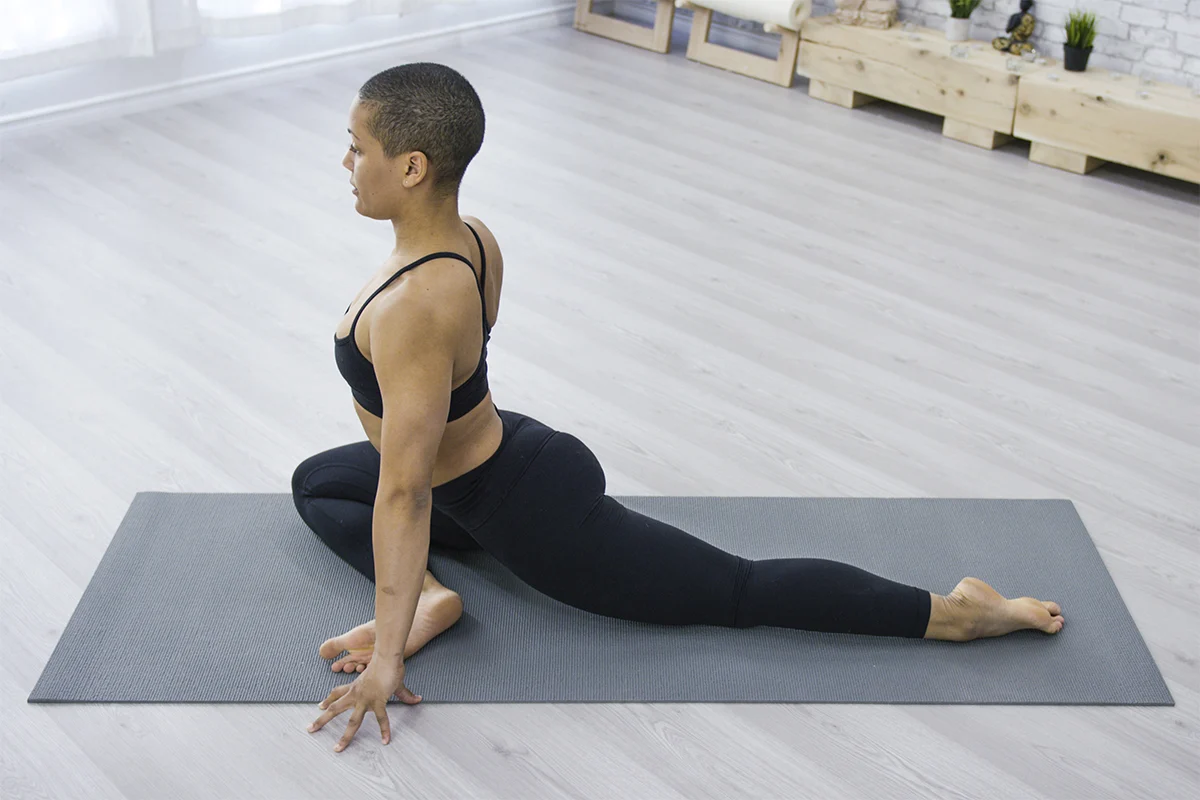
In the modern fitness landscape, the word "mobility" has become a buzzword, often relegated to a five-minute warm-up of static stretching or foam rolling performed in the corner of a gym. However, a growing consensus among elite strength coaches, physiotherapists, and movement specialists suggests that this siloed approach is fundamentally flawed. By treating mobility as an isolated remedial task rather than a foundational element of strength training, many athletes fail to achieve the functional outcomes they seek.
True mobility is not merely the ability to reach a certain position; it is the ability to control and express force throughout that entire range. As the industry shifts toward a more integrated model, the focus is moving from passive flexibility to active, loaded control.
Main Facts: The Mobility-Strength Paradox
The central premise of contemporary movement science is simple: Static flexibility does not equal functional mobility.
While traditional static stretching—holding a pose to elongate muscle tissue—has its place in relaxation and recovery, it rarely translates to improved movement patterns under load. The human body is designed to move in complex, multi-planar environments. When an athlete trains mobility in isolation, the nervous system often treats that range of motion as "unsafe" or "unusable."
The core challenge is "neurological inhibition." When you stretch a muscle passively, your nervous system may interpret that end-range as a vulnerability, triggering a protective contraction that prevents you from accessing that range when you actually need it—like at the bottom of a heavy squat or the peak of an overhead press.
To bridge this gap, mobility must be integrated directly into the strength training regimen. By introducing external resistance (load) and requiring deliberate, slow control throughout a movement, the brain learns that these extended ranges are not only safe but essential for performance. This integration turns "stretchy" tissue into "usable" range, creating a buffer against injury and a platform for greater power output.
Chronology: The Evolution of Training Philosophy
The Era of Isometrics and Static Stretching (1970s–1990s)
For decades, the fitness industry was dominated by the "stretch-and-hold" methodology. Influenced by gymnastics and dance, the standard recommendation was to hold static stretches for 30–60 seconds before and after activity. The prevailing theory was that lengthening the muscle would automatically improve athletic efficiency.
The Rise of Functional Movement (2000s–2010s)
The introduction of the Functional Movement Screen (FMS) and the work of pioneers like Gray Cook shifted the focus toward movement quality. Coaches began to realize that an athlete could be flexible but still move poorly. This era saw the introduction of corrective exercise—exercises designed to "fix" movement before adding load. While this was a step forward, it often led to the "corrective trap," where athletes spent more time doing remedial drills than actually lifting weights.
The Integrated Movement Era (2020–Present)
Today, we are seeing the rise of the "Strength-Mobility Hybrid" model. Leading performance centers, such as those working with professional leagues like the NBA and NFL, have largely abandoned the idea of a 20-minute corrective warm-up. Instead, they use "mobility-as-the-warm-up," employing movements like Cossack squats, tempo-controlled split squats, and loaded thoracic rotations to prepare the body for the heavy lifting to follow.
Supporting Data: Why Load Matters
The scientific literature supports the move toward loaded mobility. Research published in the Journal of Strength and Conditioning Research has consistently shown that "eccentric loading"—the phase of a movement where the muscle is lengthening under tension—is superior to static stretching for increasing functional range of motion.
Key Data Points:
- Neural Adaptations: Studies indicate that the nervous system is the primary limiting factor in range of motion. Loaded training increases the "stretch tolerance" of the nervous system, allowing the athlete to move into deeper ranges without triggering the protective muscle-guarding reflex.
- Tissue Remodeling: Unlike passive stretching, which may only temporarily change the viscosity of the muscle, loaded mobility stimulates changes in the connective tissue (fascia and tendons). This creates structural improvements that persist long after the workout is over.
- Stability-Mobility Ratio: Data on injury prevention suggests that joints with high mobility but low stability (often the result of passive stretching) have a higher rate of ligamentous injury. Integrating strength into the mobility work ensures that the joints are "armored" as they expand their operational range.
Official Perspectives and Expert Responses
The shift away from static isolation is reflected in the changing curricula of major certification bodies like the NSCA (National Strength and Conditioning Association) and the NASM (National Academy of Sports Medicine).
Dr. Marcus Thorne, a lead consultant in clinical biomechanics, notes:
"We are seeing a paradigm shift. We’ve stopped asking, ‘How far can you stretch?’ and started asking, ‘How much control do you have at your furthest point?’ If you can’t generate force at the bottom of a squat, you don’t own that range. It’s essentially a dead zone in your movement profile. By integrating tempo-based strength work, we’re teaching the neuromuscular system to own those end-ranges."
Elite Performance Coach Sarah Jenkins adds:
"There is a massive misconception that mobility training is ‘easy.’ When done correctly—incorporating heavy eccentric loads and precise isometric holds—mobility training is as taxing as a max-effort lift. We treat our ‘mobility blocks’ with the same intensity as our primary compound movements. That is the secret to longevity."
Implications: Changing How We Train
For the average gym-goer and the professional athlete alike, the implications of this shift are profound. It requires a fundamental rethink of how we structure a training session.
1. The Death of the "Warm-Up"
The idea of a disconnected warm-up—jogging for 10 minutes followed by static stretching—is becoming obsolete. The new gold standard is the "Preparation Phase," which uses the same movement patterns that will be performed in the main workout. If you are squatting, your mobility work should focus on ankle dorsiflexion, hip internal rotation, and thoracic extension—all performed with active muscle engagement.
2. Tempo is the New Prescription
To make mobility "functional," athletes are increasingly using tempo prescriptions. For example, rather than a quick goblet squat, a coach might prescribe a 5-second descent. This forces the athlete to maintain tension and control through the full range of the hip joint, effectively "loading" the mobility.
3. Training for Longevity
The most significant implication is the impact on injury rates. Many non-contact injuries (such as ACL tears or lower back disc herniations) occur when an athlete is forced into a range of motion they cannot control. By training mobility within the strength program, athletes build a "safety net" of strength that protects them when they inevitably move outside of their perfect form during high-intensity sports.
4. Psychological Shift
Moving away from passive stretching also changes the athlete’s mindset. Instead of feeling like a victim of "tight muscles" that need to be stretched, the athlete views their mobility as a capacity to be earned. This shifts the focus from external fixes (like massage or passive stretching) to internal mastery (learning to control one’s own body).
Conclusion: The Path Forward
The integration of mobility and strength is not just a trend; it is the logical maturation of fitness science. By acknowledging that movement is a complex, neurological, and structural process, we can move past the limitations of the "stretching era."
To build a body that is resilient, powerful, and capable, we must stop viewing our ranges of motion as something to be "loosened" and start viewing them as spaces to be "occupied." Whether you are a weekend warrior or a professional athlete, the message is clear: if you want to move better, you have to get stronger in the positions that matter.
Stop just stretching. Start building. Integrate your mobility into your strength, and your body will respond not just with better range, but with the control to use it.