



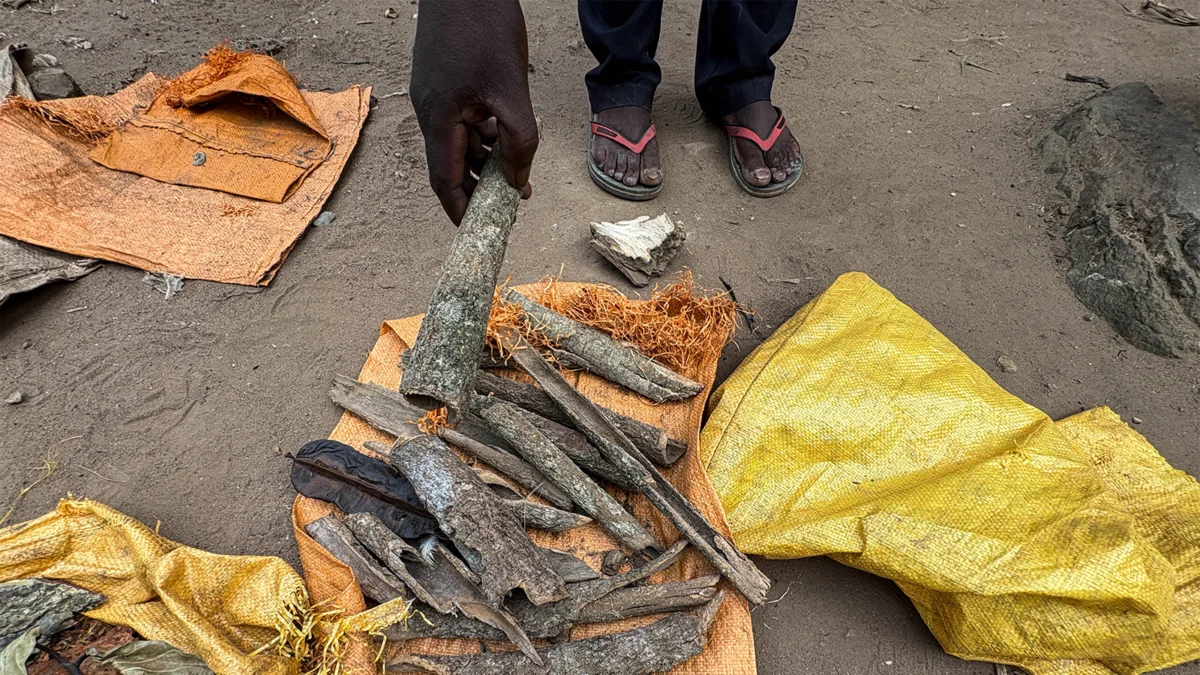
In the remote, mist-shrouded reaches of the Democratic Republic of Congo (DRC), a silent, invisible killer is testing the resilience of a nation already fractured by conflict and instability. As the DRC grapples with its 17th Ebola outbreak since the virus was first identified in the lush Congo Basin in 1976, the crisis has transcended the boundaries of clinical medicine. It has become a complex sociological struggle where modern virology clashes with centuries-old spiritual traditions.
While health officials race to contain the spread of the Bundibugyo virus—a rare and particularly aggressive strain—a harrowing trend has emerged: many of the afflicted are bypassing medical facilities in favor of traditional healers and prayer circles. This decision, often rooted in profound mistrust of outsiders and the medical establishment, has turned faith leaders into unlikely, and often overwhelmed, first responders in a fight that is as much about human behavior as it is about epidemiology.
The Anatomy of an Outbreak: Main Facts
The current outbreak, confirmed on May 15, has claimed at least 181 lives, though experts fear the true toll may be higher due to underreporting in conflict-ridden zones. The virus, which spreads through direct contact with the bodily fluids of infected individuals, has created a climate of terror.
The epicenter, the town of Bunia in Ituri province, has become a hotbed of misinformation. Rumors circulate with the speed of the virus itself, ranging from theories that Ebola is a tool of foreign malice to wild tales of magical charms dropped into pit latrines to induce the illness. These distortions have created a "wall of silence" around the sick, forcing health workers to navigate not only a biological pathogen but a landscape of deep-seated fear and suspicion.
A Chronology of Confusion and Crisis
The origins of this specific outbreak are shrouded in uncertainty. While formal confirmation arrived in mid-May, retrospective analysis by health experts suggests that the virus may have been circulating as early as February.
Initial diagnostic delays exacerbated the situation; health officials, working in a remote area with limited infrastructure, initially tested for a different, more common strain of the Ebola virus. This diagnostic misstep allowed the virus to gain a foothold in densely populated markets and communal spaces. By the time the Bundibugyo virus was correctly identified, it had already infiltrated communities where medical intervention was viewed with skepticism.
The progression of the virus is swift and brutal. Symptoms—muscle weakness, severe headaches, and high fevers—often escalate into the terrifying hallmarks of hemorrhagic fever, including internal and external bleeding. The graphic and often "shameful" nature of these symptoms, combined with the extreme isolation required to stop transmission, has driven many patients to seek the relative privacy of traditional healers’ shrines, where they believe their suffering is a spiritual trial rather than a biological infection.
Supporting Data and the Burden of Proof
The Bundibugyo virus, which first gained notoriety during an outbreak in Uganda in 2007, presents unique challenges. Unlike other strains, there are currently no approved vaccines or specific antiviral treatments for this variant, leaving medical teams to rely on supportive care and strict quarantine protocols.
The human cost is measured in more than just the death toll. Humanitarian workers reporting to the Associated Press have noted that the victims include a cross-section of society: health workers who lacked basic protective gear, as well as pastors and worshippers who continued to gather in close proximity even as the contagion spread.
In the 2007 Bundibugyo outbreak, which claimed at least 36 lives, the community was left scarred. Samuel Kuule, a nurse whose own blood samples were instrumental in identifying that first outbreak, recalls how his colleagues struggled to diagnose him. "Some thought I had food poisoning," he notes. Kuule’s experience highlights the terrifying ambiguity of the virus’s early stages. While he remained anchored by his Seventh-day Adventist faith, others in his community interpreted the peeling skin and bloodshot eyes as evidence of bewitchment.
Official Responses and the Clash of Authorities
The World Health Organization (WHO) has officially declared the current situation a public health emergency of international concern. In response, international borders have tightened; the U.S. government has implemented a temporary travel ban on individuals without U.S. passports who have recently visited the affected regions of Congo, Uganda, or South Sudan.
However, top-down directives from international bodies often struggle to penetrate the local consciousness. Recognizing that faith remains the primary pillar of support for many residents, the WHO and aid organizations like Mercy Corps are now pivoting their strategy. They are increasingly involving religious leaders in the public health response, attempting to bridge the gap between "the hospital and the shrine."
The political stakes are equally high. Ugandan President Yoweri Museveni, in a televised address that resonated across the border into Congo, delivered a stinging rebuke to religious leaders who continue to encourage the physical touching of the sick. "The people of God—they are the ones who touch patients," Museveni noted with visible frustration. "God is not deaf. You can pray without touching." His words underscore the delicate balance authorities must maintain: respecting religious liberty while enforcing the physical distancing necessary to save lives.
Implications: The Path Forward
The implications of this outbreak are profound. It highlights the systemic failure to build trust in medical institutions, a legacy often born from decades of political instability and exploitation. When a society feels abandoned by the state, they turn to the systems they know—the village healer, the community pastor, and the ancestral shrine.
For many in the Congo Basin, the fear of the "stranger" in a white lab coat often outweighs the fear of the virus. To successfully curb the current and future outbreaks, the global health community must move beyond the purely technical approach.
Bridging the Divide
- Community Integration: Health interventions must incorporate local elders and religious figures as partners rather than obstacles. If a leader can be convinced to advocate for hospital treatment, they can bring an entire congregation with them.
- Culturally Sensitive Communication: Information campaigns must be tailored to address local anxieties. Explaining the virus in ways that do not dismiss spiritual concerns—but rather coexist with them—is essential.
- Equitable Infrastructure: The reliance on traditional healers is a symptom of a lack of accessible, high-quality public healthcare. Providing consistent, humane, and dignified medical care is the only way to eventually win the public’s trust.
As Onesphore Bangenza of Mercy Corps noted, "The danger is that many only reach the hospital when they are already very sick." The goal, therefore, is to shift the narrative from the shrine as a place of last resort to the hospital as a place of refuge.
The story of Deogratias Kasereka, a catechist who nearly died after choosing to hide in the fields rather than seek help, serves as both a warning and a glimmer of hope. It was only through the intervention of his family that he sought medical care and survived. His story, now shared through digital videos across the region, is a testament to the power of personal narrative in shifting behavior.
Ultimately, the fight against the Bundibugyo virus is a race against time and tradition. Whether the international community can learn from the errors of the past and successfully engage the cultural gatekeepers of the Congo will determine not just the outcome of this outbreak, but the fate of public health in the region for decades to come. The virus is, in its own way, a teacher—revealing that in the face of a modern plague, the most effective vaccine is, and has always been, trust.