In a significant development for patients living with chronic respiratory and cardiovascular conditions, OxiWear—the innovator behind the first ear-worn, continuous pulse oximeter—has officially announced the expansion of its insurance reimbursement pathways. By securing coverage through Medicare and various private insurance providers, the company is effectively dismantling the financial barriers that have long prevented vulnerable populations from accessing real-time, clinical-grade oxygen monitoring technology.
This move marks a critical inflection point for the health-tech sector, shifting the paradigm from intermittent spot-checks to continuous, proactive physiological monitoring. For patients suffering from conditions associated with hypoxia—such as chronic obstructive pulmonary disease (COPD), heart failure, and pulmonary hypertension—this development is more than a policy update; it is a life-altering enhancement to their standard of care.
The Core Innovation: Redefining Pulse Oximetry
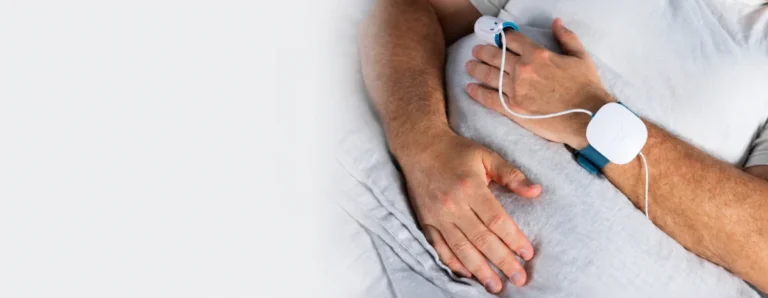
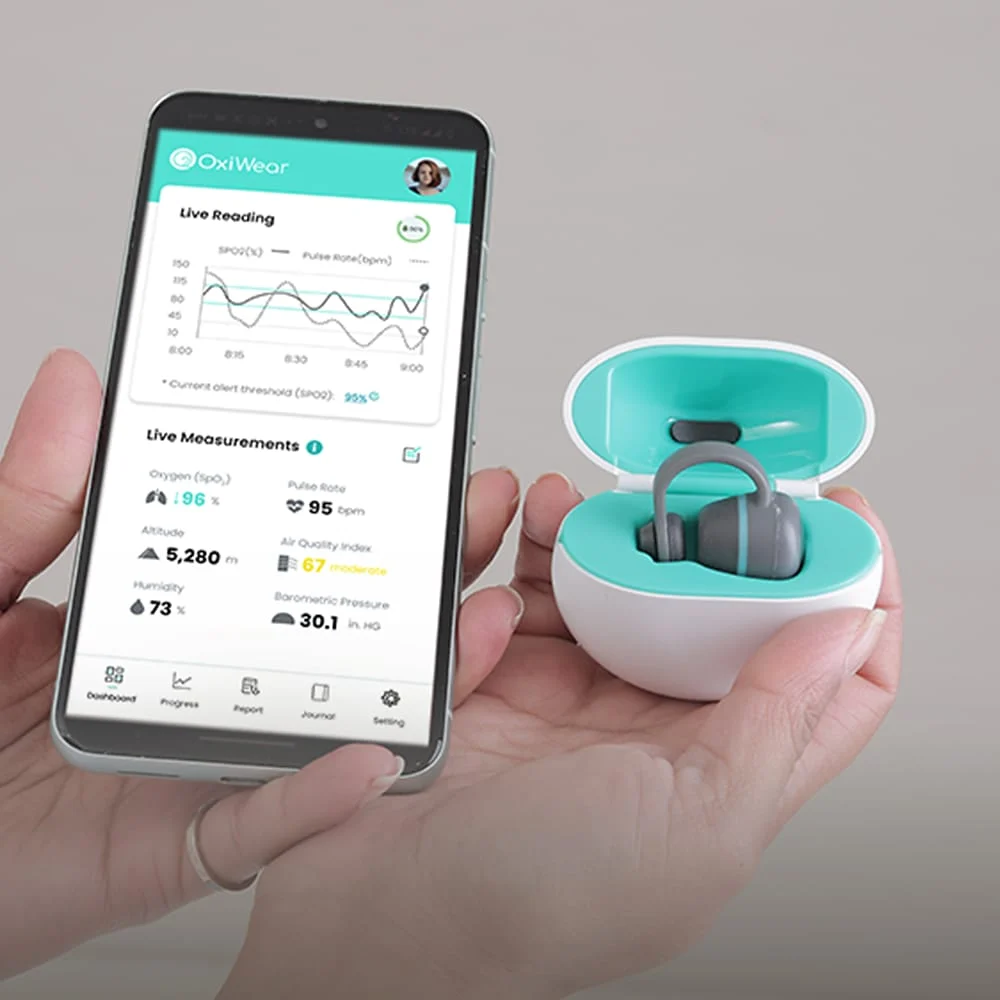
OxiWear is not merely another wearable tracker; it is an FDA-cleared medical device designed to bridge the gap between hospital-grade monitoring and at-home independence. Unlike traditional finger-clip pulse oximeters, which are often bulky, prone to motion artifacts, and intended only for brief use, OxiWear’s ear-worn design offers a seamless, non-intrusive solution for continuous tracking.
The device provides real-time monitoring of blood oxygen levels (SpO2) and heart rate, delivering immediate alerts to the user, their caregivers, or their healthcare providers when oxygen levels dip below a pre-set threshold. This capability is vital for patients at risk of silent hypoxia, where blood oxygen levels drop without the patient experiencing the typical sensation of breathlessness until they are in a critical state.
Chronology of a Milestone: From Concept to Clinical Integration
The journey to this reimbursement milestone has been a multi-year effort defined by rigorous clinical validation and a steadfast commitment to patient equity.
2019–2021: The Genesis
Founded by Shavini Fernando, a patient who experienced firsthand the terrifying reality of undiagnosed hypoxia, OxiWear began as a personal mission. Fernando, who lives with pulmonary hypertension, conceptualized a device that could offer the security of a hospital monitor without tethering the patient to a bed.
2023: The FDA Clearance
A pivotal moment arrived when the US Food and Drug Administration (FDA) cleared OxiWear for clinical and at-home use. During the regulatory review process, the device underwent extensive testing to ensure accuracy across diverse skin tones. This was a direct response to a growing medical consensus that traditional pulse oximetry often exhibits racial bias, providing less accurate readings for patients with higher melanin levels. OxiWear’s high performance in this area represents a significant victory for health equity.
2024: The Reimbursement Breakthrough
With FDA clearance established, the company shifted its focus to the "reimbursement challenge." Recognizing that even the most advanced medical technology is useless if the patient cannot afford it, the OxiWear team engaged in protracted negotiations with Medicare and private insurers. The recent announcement that the device is now eligible for reimbursement represents the culmination of these efforts, signaling that insurers now recognize the cost-saving potential of proactive, continuous monitoring.
Supporting Data: Why Continuous Monitoring Matters
The push for insurance coverage is backed by a growing body of evidence suggesting that remote, continuous monitoring is a powerful tool in reducing the burden on the healthcare system.
- Reduction in Hospital Readmissions: Patients with chronic respiratory conditions often suffer from "revolving door" hospitalizations. Studies have shown that early detection of oxygen desaturation allows for intervention—such as medication adjustments or supplemental oxygen titration—before a patient requires an emergency department visit.
- Data-Driven Clinical Decisions: Healthcare providers frequently struggle with "snapshot" data. A patient may appear stable during a 15-minute office visit, while their oxygen levels fluctuate wildly during sleep or physical exertion. OxiWear provides a longitudinal data set, allowing physicians to make more accurate diagnoses and treatment plans based on a patient’s actual lifestyle.
- Addressing Pulse Oximetry Disparities: The FDA’s emphasis on equitable performance across skin tones underscores a systemic failure in older pulse oximetry technology. By providing a device that maintains accuracy across all skin tones, OxiWear mitigates the risk of misdiagnosis in minority populations, ensuring that medical decisions are based on objective, reliable data.
Official Perspectives: The Vision Behind the Technology
In a formal release, Shavini Fernando expressed the profound impact of this transition, noting that the goal was never just to build a gadget, but to build a safety net.
"I started OxiWear as a personal mission to help people like me live life to the fullest despite the challenges of living with conditions that put us at risk of low oxygen levels," Fernando stated. "Since receiving FDA clearance, one of our biggest priorities has been solving the reimbursement challenge and ensuring patients can access this technology without creating an additional financial burden. I’m incredibly proud that we’ve been able to work through those barriers and make OxiWear available through insurance coverage. Now, more patients can access the continuous oxygen data they need with greater affordability and peace of mind."
Industry analysts observe that this success is a rarity in the direct-to-consumer health wearable space. Many devices market themselves as "wellness trackers," but by navigating the FDA regulatory hurdles and the complex maze of insurance coding, OxiWear has successfully categorized itself as a "medical device," a status that carries weight with insurers and clinical practitioners alike.
Implications for Patients and the Healthcare System
The broader implications of this development are far-reaching. As the US healthcare system moves toward a "value-based care" model—where providers are incentivized based on patient outcomes rather than the volume of services provided—the role of remote monitoring becomes central.
For the Patient: Independence and Security
For a patient with chronic heart failure or COPD, the fear of "crashing"—a sudden, life-threatening drop in oxygen—is a constant shadow. With the ability to receive alerts directly to their smartphone or a connected app, patients can engage in daily activities, exercise, and sleep with newfound confidence. This psychological benefit of "peace of mind" is frequently cited by patients as being just as valuable as the medical data itself.
For Caregivers: Reduced Burden
Caregivers, often family members, live under immense stress, constantly monitoring their loved ones for signs of distress. The OxiWear system acts as a "second set of eyes," alerting caregivers only when action is required. This reduces the need for constant, intrusive check-ins and allows for a higher quality of life for both the patient and the family.
For the Healthcare System: Cost Containment
The financial burden of chronic disease management is one of the largest line items in the national budget. By preventing avoidable hospitalizations through early detection, OxiWear aligns with the goals of both private insurers and government programs like Medicare. Each hospitalization prevented represents thousands of dollars in savings, but more importantly, it represents a patient who remained in their home rather than in a clinical setting.
The Future of Remote Monitoring
As OxiWear begins to permeate the market through insurance channels, the data gathered will likely provide researchers with deeper insights into how oxygen levels correlate with daily activities and environmental factors. This aggregate, de-identified data could help refine clinical guidelines for the management of hypoxemia in the coming decade.
Furthermore, this development sets a precedent for other digital health startups. It proves that the path from a garage-built prototype to a reimbursed medical standard of care is navigable, provided the company remains committed to clinical rigor, equity, and the genuine needs of the patient population.
Conclusion
The inclusion of OxiWear in insurance reimbursement programs is a landmark event in the evolution of remote patient monitoring. By bridging the gap between innovative wearable tech and the formal medical system, OxiWear has ensured that the next generation of oxygen monitoring is not an exclusive privilege, but an accessible standard of care.
As more patients gain access to this technology, the medical community will likely witness a decrease in the incidence of critical, undiagnosed hypoxic events. For those living in the shadow of chronic respiratory or cardiovascular illness, the future is looking clearer, safer, and significantly more empowered. Through the lens of this technology, we are seeing the beginning of a shift toward a more proactive, equitable, and effective healthcare future.