









In a move that signals a significant shift in the landscape of sleep medicine, health technology giant ResMed has officially completed its acquisition of Noctrix Health. This transaction, first announced in April 2026, marks a pivotal expansion for ResMed, moving the company beyond its traditional stronghold of sleep-disordered breathing and into the complex, often underserved domain of Restless Legs Syndrome (RLS). By integrating Noctrix’s FDA-cleared Tonic Motor Activation (TOMAC) therapy into its global portfolio, ResMed is positioning itself to provide a non-pharmacological alternative for patients who have exhausted or failed conventional drug-based treatment pathways.
The Core Acquisition: A New Frontier in RLS Treatment
The acquisition makes Noctrix Health a wholly owned subsidiary within the ResMed group, effectively folding the startup’s proprietary neurostimulation technology into ResMed’s expansive, digitally connected ecosystem.
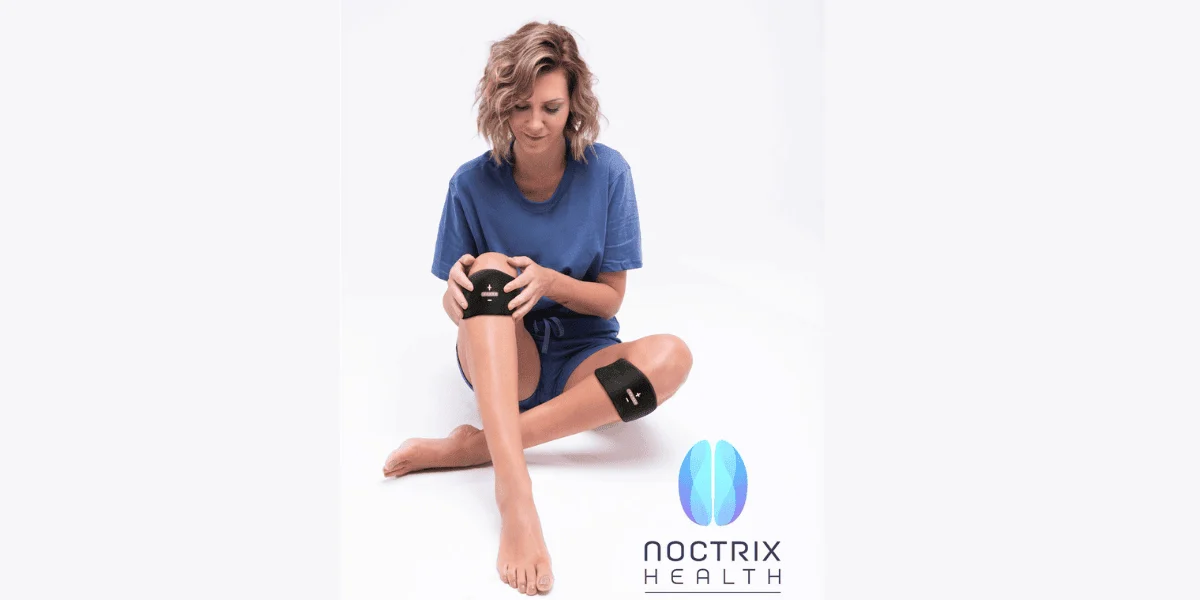
At the center of this deal is the Nidra TOMAC therapy. Unlike traditional RLS treatments, which have historically relied on dopaminergic agents, alpha-2-delta ligands, or opioids—all of which carry the risk of side effects, augmentation, or dependency—the Nidra device offers a mechanical, non-invasive approach. The therapy utilizes Tonic Motor Activation to stimulate specific nerves, effectively modulating the sensory-motor pathways that trigger the characteristic "creeping" sensations associated with RLS.
For the millions of adults globally who suffer from moderate-to-severe RLS, this integration represents a shift toward "digital therapeutics" and device-based interventions that prioritize patient safety and long-term compliance over the chronic use of systemic medications.
Chronology: From Innovation to Integration
The journey of this acquisition reflects the maturation of Noctrix Health as a clinical innovator and ResMed’s aggressive pursuit of its "2030 Strategy."
- Early Development: Noctrix Health operated for several years under the radar, focusing on rigorous clinical trials and the pursuit of FDA clearance. By securing De Novo classification, the company established the TOMAC therapy as a "first-of-its-kind" device, setting a high regulatory bar for any subsequent competitors in the non-pharmacologic space.
- Clinical Validation (2023–2025): Throughout this period, Noctrix prioritized evidence-based medicine, culminating in 10 peer-reviewed publications. The inclusion of the Nidra device in the American Academy of Sleep Medicine (AASM) clinical practice guidelines was a watershed moment, providing the necessary clinical legitimacy to attract a suitor of ResMed’s stature.
- April 2026 Announcement: ResMed publicly signaled its intent to acquire Noctrix, sparking widespread interest among sleep specialists and investors. The announcement framed the acquisition not as a simple product purchase, but as an essential step in filling the gaps in the company’s sleep health portfolio.
- Closing of the Deal (Q2 2026): With regulatory hurdles cleared, the acquisition was finalized. Noctrix employees and infrastructure were integrated into the ResMed corporate structure, setting the stage for the global scaling of the TOMAC technology.
Supporting Data and Clinical Efficacy
The clinical merit of the Nidra TOMAC therapy cannot be overstated, particularly given the challenges inherent in treating RLS. Clinical data supporting the device demonstrates that it is not merely a placebo-driven solution, but a scientifically validated intervention.
Key Clinical Benchmarks:
- Symptom Mitigation: Studies presented to the FDA and later published in peer-reviewed journals indicated a significant reduction in the International RLS Severity Scale (IRLS) scores among participants.
- Drug-Refractory Populations: The device is specifically designed for patients who have found inadequate relief through pharmacological means, providing a "safety net" for the most difficult-to-treat cases.
- AASM Endorsement: The inclusion in the AASM clinical practice guidelines is perhaps the most significant data point for practitioners. It signals that sleep medicine societies now recognize device-based neurostimulation as a standard-of-care option, moving it from the periphery of "alternative medicine" to the center of clinical practice.
- Sleep Quality Metrics: Beyond the reduction of leg symptoms, patient data highlighted in the Noctrix trials showed marked improvements in sleep onset latency and total sleep time, confirming that the reduction of RLS symptoms directly translates into improved sleep architecture.
Official Responses and Strategic Vision
The leadership teams from both organizations have expressed optimism regarding the synergy created by the merger. For ResMed, the goal is to leverage its global supply chain and digital connectivity to scale a solution that was previously limited by the reach of a smaller firm.
The Perspective from ResMed
Mick Farrell, chairman and CEO of ResMed, emphasized that this move is central to the company’s broader 2030 vision. "Our acquisition of Noctrix Health marks an important step forward in advancing our 2030 strategy and expanding our clinical sleep health portfolio," Farrell stated. "We are excited to welcome the Noctrix team to ResMed and scale solutions that improve lives through better sleep and home health technologies."
The focus here is on the "connected" nature of ResMed’s business. By eventually integrating the Nidra technology into the ResMed digital health platform, the company hopes to monitor patient progress in real-time, allowing clinicians to see how RLS therapy integrates with existing CPAP usage or other sleep-related interventions.
The Perspective from Noctrix Health
Shri Raghunathan, president and CEO of Noctrix Health, highlighted the mission-driven aspect of the acquisition. "Since founding Noctrix, our mission has been to deliver innovative, non-pharmacologic solutions for people living with RLS who have limited treatment options," Raghunathan said. "Joining ResMed will help us advance that mission, enabling us to expand access to TOMAC therapy and reach more patients with a clinically validated solution that can help meaningfully improve sleep and quality of life."
The Implications: What This Means for Patients and Providers
The integration of Noctrix into ResMed will have far-reaching implications for the sleep medicine industry.
For Patients
Patients who have struggled with the side effects of medications like pramipexole or ropinirole—which can sometimes cause "augmentation," a phenomenon where RLS symptoms actually worsen over time due to long-term medication use—now have a reliable, non-drug alternative. The availability of the Nidra device through a large-scale provider like ResMed will likely improve accessibility and insurance reimbursement pathways, making the therapy more attainable for the average patient.
For Providers
Sleep specialists, neurologists, and primary care physicians now have a clearer pathway for prescribing RLS treatment. With the AASM guidelines supporting the TOMAC therapy, physicians can feel more confident recommending the device to patients who are hesitant about starting a lifetime of medication. Furthermore, the integration into ResMed’s ecosystem suggests that patient compliance data could soon be available in the same dashboards that track PAP therapy, allowing for more holistic sleep management.
For the Market
The acquisition signals a broader trend in health tech: the "platformization" of medical devices. As ResMed continues to move beyond simple hardware and into data-driven therapy management, the addition of a neurostimulation device creates a more robust "Sleep Health Cloud." It puts ResMed in a competitive position against pharmaceutical giants, offering a non-pill-based solution that fits perfectly into a digital-first, home-care model.
Conclusion
The completion of the acquisition of Noctrix Health by ResMed represents more than just a corporate expansion; it is a validation of the need for non-pharmacological interventions in the treatment of chronic sleep disorders. By bridging the gap between innovative neurostimulation and widespread clinical access, ResMed is reinforcing its role as a leader in sleep medicine. As the Nidra TOMAC therapy is integrated into the broader ResMed portfolio, patients, providers, and the medical community at large will likely see a significant shift in how restless legs syndrome is managed—moving toward a future where treatment is defined by precision, clinical validation, and improved quality of life.