










As the global population ages, the conversation surrounding elder care is shifting. It is no longer enough to simply address the physiological and logistical requirements of “aging in place”; there is an urgent, growing necessity to prioritize the emotional and psychological well-being of both older adults and the family members who care for them.
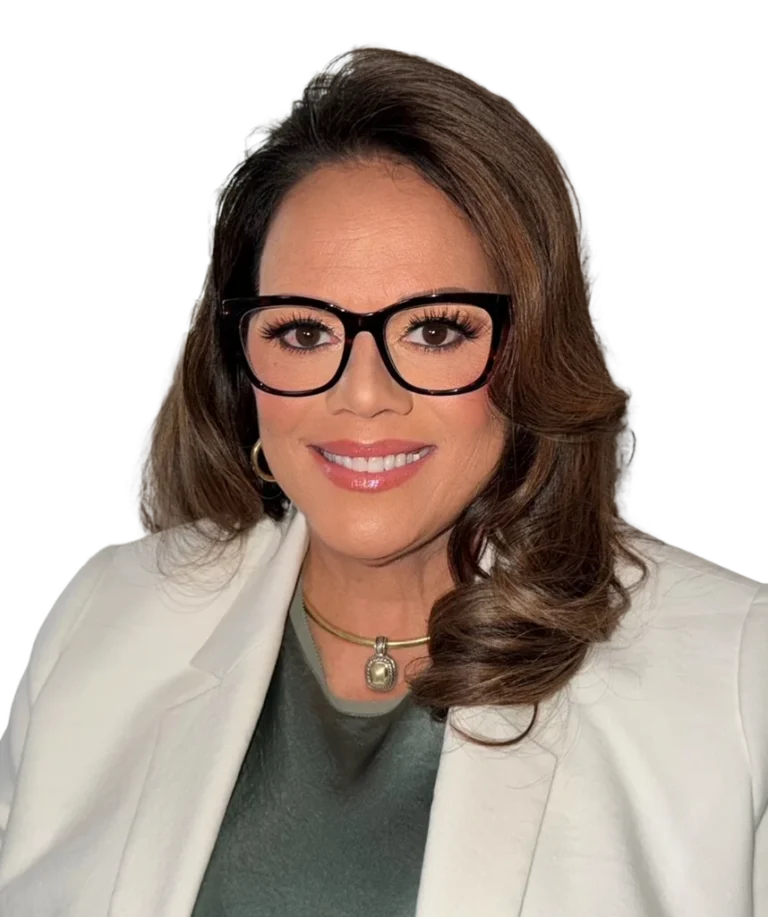
In the June episode of the acclaimed podcast Caregiving Club On Air (Season 6, Episode 71), host Sherri Snelling tackles this vital intersection of care and happiness. Joined by Joni Magnus-Ramsey of Comfort Keepers, the discussion highlights the 8th Annual National Day of Joy, set for June 24, and explores the critical data defining the modern caregiving landscape.
The Mandate for Joy: A National Movement
For nearly a decade, Comfort Keepers has spearheaded the "National Day of Joy," a movement designed to combat the rising tide of isolation among seniors. This year, the initiative is backed by comprehensive survey data derived from over 2,000 family caregivers and older adults.
The core mission is simple yet profound: to elevate the human spirit. With over 100 Comfort Keepers offices participating nationwide, the June 24 event is not merely a symbolic gesture but a logistical mobilization of resources and activities designed to foster genuine human connection. As Magnus-Ramsey discusses in her interview with Snelling, the goal is to shift the narrative of caregiving from one of obligation to one of meaningful, joyful engagement.

The Reality of Aging in Place: Data and Challenges
To understand why initiatives like the National Day of Joy are necessary, one must look at the current demographic and behavioral trends regarding how Americans choose to age.
The "Aging in Place" Paradox
According to AARP, there is a massive consensus among older Americans: between 79% and 89% of seniors explicitly state that they wish to remain in their own homes as they age. This preference for "aging in place" is rooted in a desire for autonomy, familiarity, and dignity. However, this desire often clashes with the physical realities of the domestic environment.
The Pew Research Center reports that there are currently 76 million Americans over the age of 65 living at home. Yet, a significant majority of these individuals struggle with at least one "main living feature"—such as stairs, narrow doorways, or inaccessible showers—that poses a direct threat to their safety and independence.
The Rise of the "Solo Ager"
The demographic profile of the elderly is also becoming increasingly solitary. The Mather Institute estimates there are roughly 22 million "Solo Agers"—individuals over the age of 60 who live alone. Furthermore, U.S. Census Bureau data indicates that approximately 43% of women over the age of 75 live alone. This prevalence of solitary living significantly elevates the risks associated with cognitive decline, nutritional deficits, and emotional depression, making the support provided by professional home care agencies not just a luxury, but a critical public health lifeline.
Implications for the "Sandwich Generation"
The burden of bridging the gap between an older adult’s desire for independence and their actual physical needs frequently falls on family members—often those in the "Sandwich Generation." These individuals are simultaneously managing their own careers, raising children, and providing care for aging parents.
The Caregiving Club On Air podcast serves as a conduit for this demographic, providing resources to prevent caregiver burnout. By highlighting the necessity of respite care and emotional health, the podcast and its associated educational platforms (including the "Caregiving Club News" on YouTube) are professionalizing the way families approach their caregiving responsibilities.
Chronology of a Growing Resource
The evolution of the Caregiving Club as a primary resource for families is marked by several key milestones:
- Early Development: The Caregiving Club began by focusing on the "Sandwich Generation," recognizing that employees who act as caregivers are often the most underserved in the workplace.
- Podcast Expansion: The launch of Caregiving Club On Air provided a platform for experts to weigh in on neurodesign, wellness hacks, and legal/financial planning for seniors.
- Strategic Recognition: As of 2026, the podcast has reached the #3 spot on Feedspot’s list of the Top 80 Caregiving Podcasts, a testament to the growing demand for expert-led, compassionate advice.
- Multimedia Integration: In early 2026, the organization expanded its reach by launching a dedicated YouTube channel, Caregiving Club News, to house specialized segments on caregiver wellness, home design, and workplace integration.
Professional Insights: A Holistic Approach
During the interview, Joni Magnus-Ramsey emphasized that professional caregiving is evolving. Modern agencies are moving away from a "task-based" model toward a "relationship-based" model. This involves incorporating "NeuroDesign"—the application of neuroscience principles to the home environment—to ensure that the spaces in which seniors live actually contribute to their mental health.

Sherri Snelling’s body of work, including her book Me Time Monday, reinforces this. Her approach treats the caregiver as an athlete of sorts: one who requires rest, recovery, and psychological tools to sustain their performance over the long term.
Key Resources for Families
For those navigating the complexities of elder care, the experts suggest the following pathways:
- The Elder Care Locator: An essential government-backed service (eldercare.gov) that connects families to local resources and agencies.
- Professional Respite: Leveraging agencies like Comfort Keepers to allow primary caregivers the time necessary to recharge.
- Educational Media: Utilizing the Caregiving Club YouTube series and podcast archives for practical "wellness hacks," such as the "Self-Care in 7 Minutes" video series.
Moving Toward a Culture of Joy
The National Day of Joy serves as a bellwether for a broader societal shift. By acknowledging the difficulties of aging and caregiving while simultaneously celebrating the potential for joy within those experiences, stakeholders like Comfort Keepers and the Caregiving Club are redefining what it means to grow old in America.
The implication for the future is clear: as we face a historic "silver tsunami," our success will not be measured solely by how long we can keep people alive in their homes, but by how much quality of life, purpose, and happiness we can facilitate within those spaces.

As Magnus-Ramsey concluded in her interview, the most important element of caregiving is the "human spirit." Technology and home modifications provide the foundation, but it is the intentional, joyful connection that makes the difference between merely surviving and truly thriving in one’s later years.
How to Get Involved
Listeners and readers are encouraged to:
- Tune in: Catch the full interview with Joni Magnus-Ramsey on the latest Caregiving Club On Air podcast.
- Subscribe: Follow the Caregiving Club YouTube channel for bi-weekly news and educational content regarding the sandwich generation and home care.
- Participate: Join the 8th Annual National Day of Joy on June 24. Whether you are a professional caregiver or a family member, the goal is to create a moment of connection that reminds the older adults in your life of their value and the joy that remains to be found in their daily routines.
For further reading on caregiver happiness and home design, consult the extensive archives of Sherri Snelling’s work on Forbes, Next Avenue, and the Caregiving Club portal, which provide evidence-based strategies for overcoming the isolation that so often plagues the caregiving experience.