





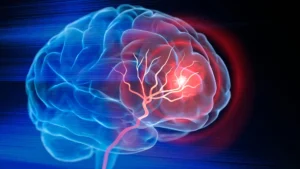
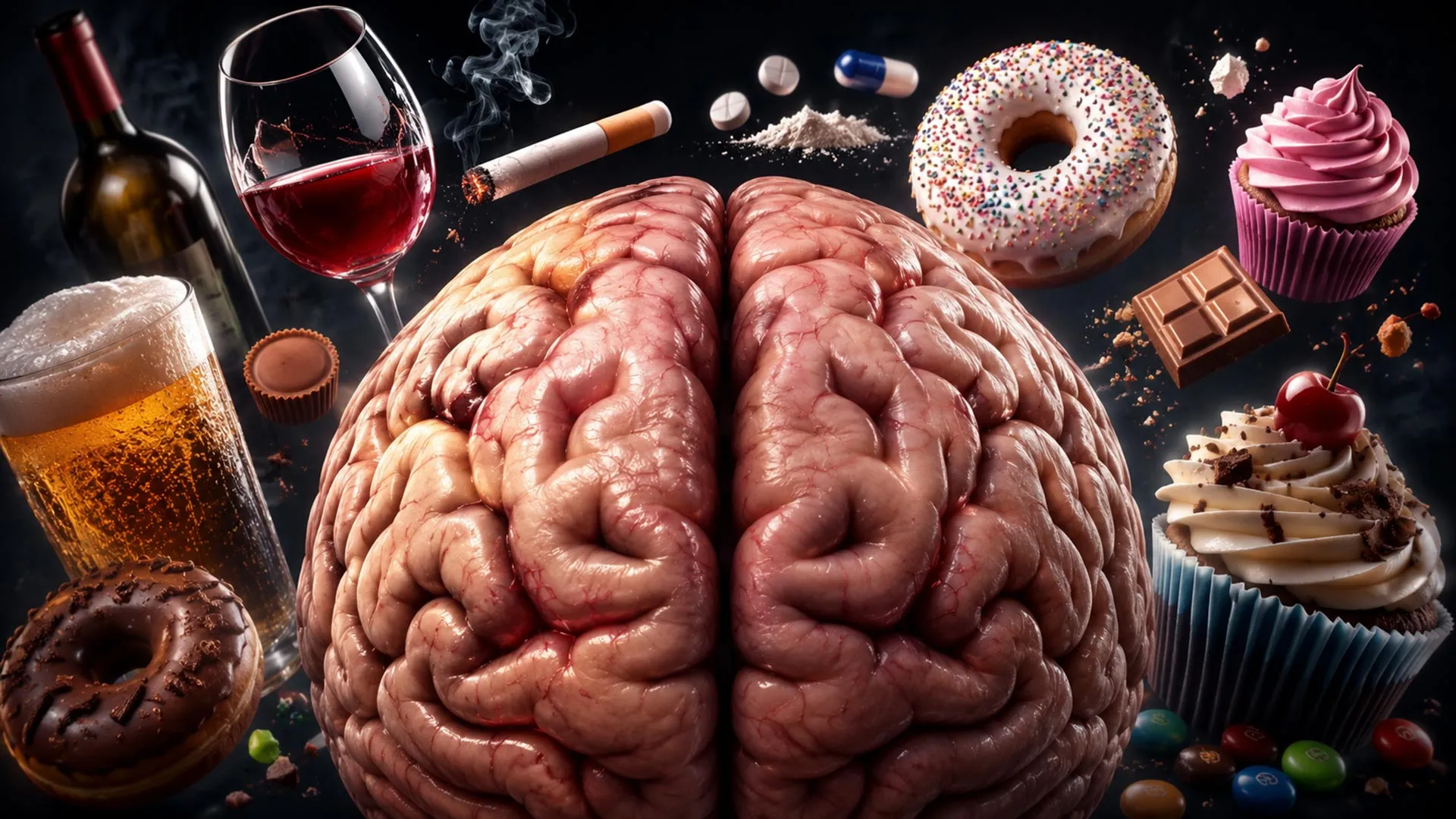
For as long as human history has been recorded, the drive to consume—whether it is a calorie-dense meal or a glass of spirits—has been fundamental to survival. This "thinking and doing" loop, where a mental image of a reward triggers the behavioral drive to obtain it, is an evolutionary necessity. However, in the modern landscape of hyper-palatable foods and addictive substances, this biological mechanism often malfunctions. For millions, this results in a persistent cycle of overeating, obesity, and substance abuse.
For decades, the neurological underpinnings of this cycle have eluded the scientific community. But today, a revolution in pharmacology—spearheaded by a new class of drugs originally designed for type 2 diabetes—is providing a roadmap to the brain’s "cravings center," potentially unlocking treatments for the most intractable behavioral disorders.
The Evolution of GLP-1 Agonists: From Blood Sugar to Behavior
The rise of glucagon-like peptide-1 (GLP-1) receptor agonists, such as Ozempic and Wegovy, has been nothing short of transformative. Originally engineered to mimic the GLP-1 hormone, these drugs stimulate insulin release, slow gastric emptying, and enhance signals of satiety. While their primary utility in controlling glycemic levels in diabetic patients was the initial goal, the secondary effect—profound weight loss—captured global attention.
The magnitude of this weight loss, which in many clinical trials rivals the results seen with bariatric surgery, is only the beginning of the story. Increasingly, researchers are uncovering a "hidden" benefit: the suppression of the urge to consume. Human trials have begun to confirm that these medications significantly reduce alcohol consumption. Furthermore, preclinical studies have demonstrated that GLP-1 agonists may be effective in curbing the desire for cocaine, amphetamines, opioids, and nicotine.
A Chronology of Discovery: Mapping the Reward Circuitry
The quest to understand how these drugs function began by looking at the brain’s most famous "reward hubs." For decades, neuroscientists focused on the ventral tegmental area (VTA) and the nucleus accumbens (NAc). These regions are the engines of the brain’s dopamine production, and they have long been considered the primary architects of motivation and addiction.
However, researchers hit a significant roadblock: these areas lack a meaningful density of GLP-1 receptors. If the drugs were suppressing cravings, they were not doing it through a direct interaction with the VTA or NAc. This forced the scientific community to look elsewhere—specifically, "upstream" to the lateral septum.
1953: The Discovery of "Septal Rage"
The lateral septum is a small, deep-brain structure that has long been associated with emotional regulation. Its scientific journey began in 1953, when behavioral researchers Joseph Brady and Walle Nauta identified the phenomenon of "septal rage." They observed that animals with damage to this region exhibited heightened aggression, while direct stimulation of the same area had the opposite effect, inducing a state of calm.
2000s–2020s: The Network Reframe
For years, the lateral septum was viewed in isolation. Recent advancements in neural mapping have reframed it as the center of a complex connectivity network. It is now known that the lateral septum receives a heavy volume of input from the hippocampus, the brain’s memory archive.
The hippocampus is legendary for housing "place cells"—neurons that fire to orient us in space and time. When the hippocampus sends this "where and when" information to the lateral septum, the latter adds a crucial layer of context: "what is good in this place." This is the moment where memory meets motivation.
Supporting Data: The Lateral Septum as the Cravings Hub
The discovery that the lateral septum contains both place cells and reward-responsive neurons has fundamentally changed our understanding of addiction. It is now hypothesized that the lateral septum serves as the conscious gatekeeper of reward perception. It is the structure that allows us to "think about" a beer or a burger, and it is the bridge that communicates those thoughts to the dopamine-rich machinery of the brain.
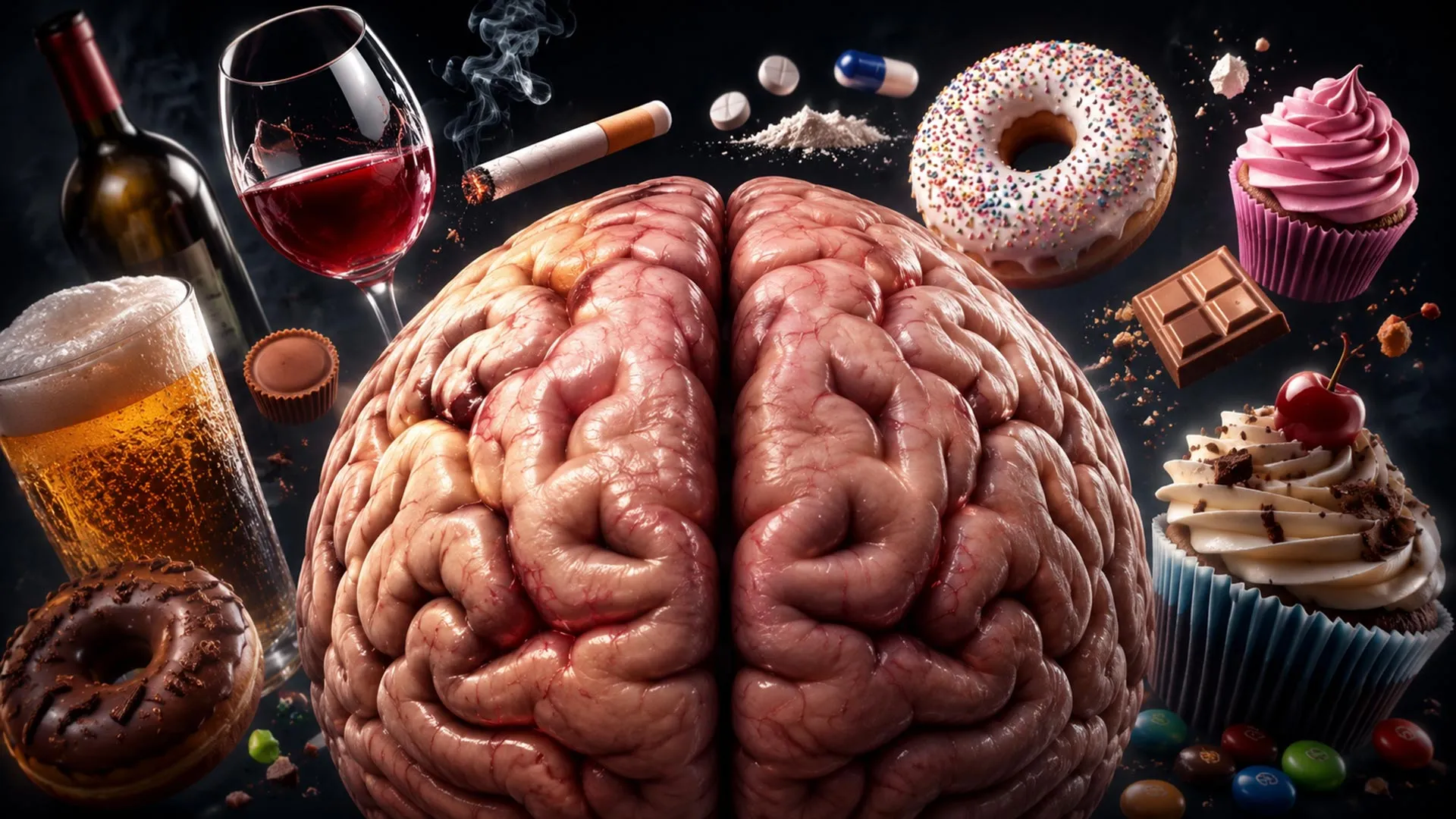
The "smoking gun" for this theory lies in the anatomy of the brain itself: the lateral septum is densely packed with GLP-1 receptors.
Clinical and Experimental Evidence
- The Mouse Models: Emerging research has consistently shown that activating GLP-1 receptors directly within the lateral septum results in a marked reduction in food consumption in murine models.
- Alcohol Suppression: A landmark study published earlier this year provided the first clear evidence that this specific regional activation also reduces alcohol seeking and consumption behaviors in animal models.
- Neural Connectivity: Recent work from independent laboratories has demonstrated that GLP-1 agonists modulate the activity within the lateral septum, effectively "dampening" the communication between the memory of a reward and the motor systems that execute the craving.
Official Responses and the Scientific Consensus
The medical community has responded with cautious optimism. While the pharmaceutical industry is currently focused on the obesity and diabetes markets, academic neuroscientists are calling for a shift in research funding toward addiction psychiatry.
"We are seeing a paradigm shift," notes one leading researcher in the field. "We used to think the brain’s reward system was a bottom-up process—that the dopamine center just fired, and we were compelled to act. We now understand that the process is much more cognitive. It involves the hippocampus and the lateral septum filtering our memories of rewards before the dopamine system is even triggered. By targeting the lateral septum with GLP-1, we are essentially turning down the volume on the mental image of the craving."
Regulatory bodies, including the FDA and the European Medicines Agency, have yet to formally approve these medications for the treatment of substance use disorders, but the clinical pipeline is rapidly expanding. Phase II and III trials are currently investigating the efficacy of these drugs in smoking cessation and alcohol use disorder (AUD).
Implications: A New Era in Addiction Medicine
The implications of these findings are profound. If the lateral septum is indeed the primary site of action for the anti-consumption effects of GLP-1 agonists, it provides a highly specific target for future drug development.
1. Precision Psychiatry
Rather than treating addiction with broad-spectrum psychoactive drugs that often come with severe side effects, the development of GLP-1-based therapies could offer a more targeted approach. By stabilizing the communication between the hippocampus and the reward system, clinicians may be able to help patients "unlearn" their addictive patterns without disrupting the other vital functions of the brain.
2. Redefining Obesity
The medicalization of obesity has been a long and contentious process. However, by identifying a specific neurological mechanism that governs the drive to overeat, the scientific community is moving closer to viewing obesity as a neurobiological disorder rather than a failure of willpower. This shift in perspective could reduce the stigma surrounding weight-related health issues and encourage more effective, long-term medical interventions.
3. Broad-Spectrum Application
The fact that these drugs appear to affect such a wide variety of rewards—ranging from high-fat, high-sugar foods to nicotine and opioids—suggests that the lateral septum may be a common node in the neurobiology of all addictive behaviors. If a single class of drugs can modulate the brain’s response to diverse stimuli, we may be looking at the first "universal" treatment for impulse control disorders.
Conclusion
The intersection of memory, geography, and reward within the lateral septum has provided scientists with a new lens through which to view the brain. By decoding how the hippocampus informs the lateral septum about our environment, and how that information is then filtered by GLP-1 receptors, we are finally beginning to understand the biology of the "mental image."
While further research is needed to ensure the safety and efficacy of these drugs across diverse populations and different types of substance dependencies, the progress made in the last few years is undeniable. We are moving toward a future where the relentless, involuntary drive of addiction can be silenced, not through force of will, but through the precise, science-backed tuning of the brain’s own internal circuitry.