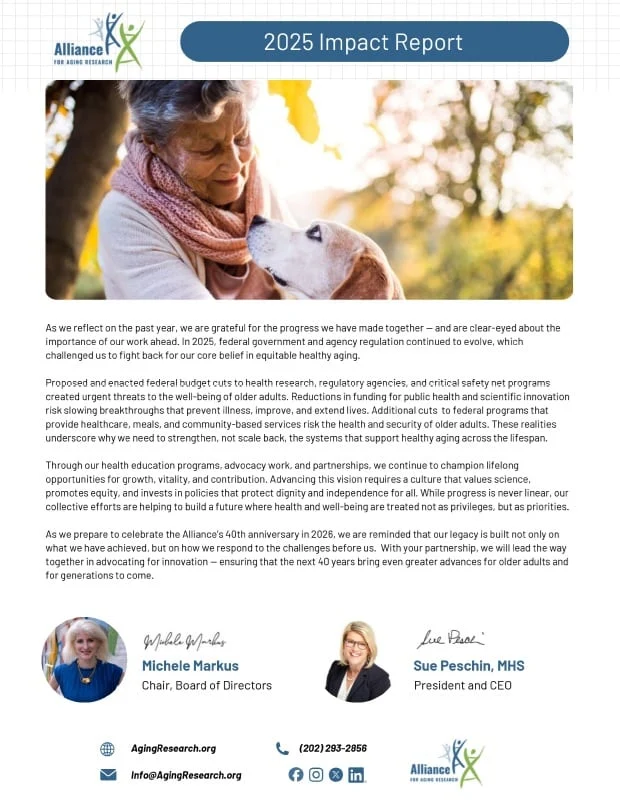
As the Alliance for Aging Research reaches a historic 40-year milestone, the organization has unveiled its 2025 Impact Report, a comprehensive document that serves as both a retrospective of a year defined by policy shifts and a roadmap for the future of healthy aging. The report, which highlights the Alliance’s dual commitment to high-level advocacy and grassroots health education, arrives at a critical juncture for older adults in the United States, offering a deep dive into the systemic challenges and achievements that shaped the organization’s trajectory over the last twelve months.
Main Facts: The Pillars of the 2025 Impact Report
The 2025 Impact Report is more than a summary of administrative tasks; it is a testament to the evolving landscape of aging-related policy. The document details the Alliance’s operational successes, its governance structure, and its award-winning contributions to health education.
At its core, the report underscores the organization’s persistent advocacy for equitable access to healthcare. By focusing on three primary pillars—research, policy, and public awareness—the Alliance has solidified its position as a leading voice for the aging population. The report provides a granular look at:
- Policy Advocacy: The efforts to navigate and influence evolving federal regulations impacting the health and well-being of seniors.
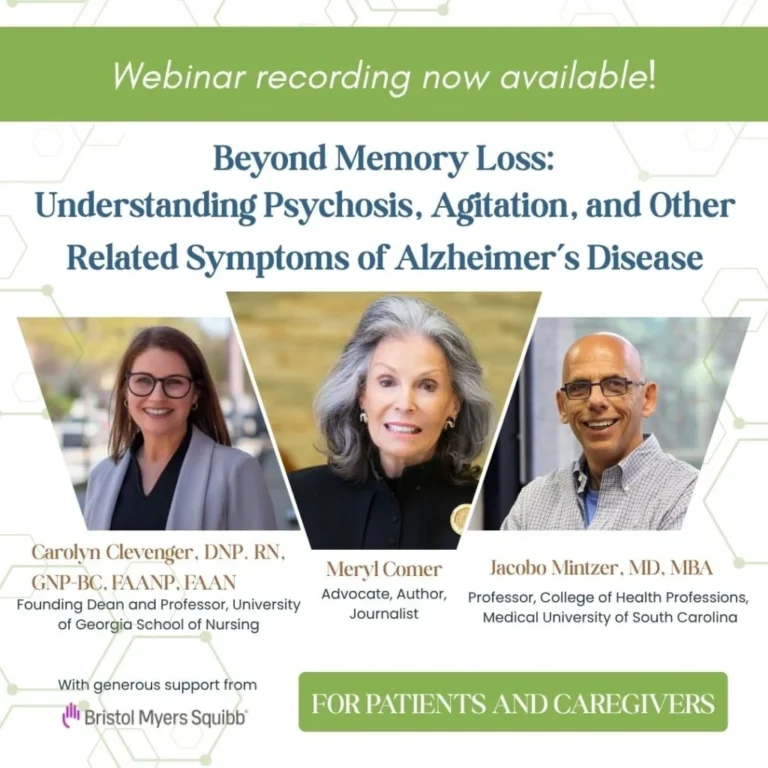
- Health Education: A spotlight on the various programs and digital initiatives designed to bridge the information gap for patients and caregivers.
- Organizational Governance: An overview of the Board and staff leadership that steered the organization through a complex, regulation-heavy year.
The report is available in both a dynamic, interactive web format and a downloadable PDF, ensuring that its findings are accessible to policymakers, donors, and the public alike.
A Chronology of Advocacy: Navigating the 2025 Regulatory Landscape
The year 2025 was marked by significant volatility in federal healthcare oversight. For the Alliance, the calendar was defined by a reactive and proactive strategy to counter administrative changes that threatened the quality of life for older adults.
The First Quarter: Setting the Agenda
Early in the year, the Alliance identified key legislative priorities, focusing on the preservation of access to innovative treatments. As federal agencies began to float new regulatory frameworks, the Alliance mobilized its coalition of experts to provide evidence-based feedback on how these changes would disproportionately affect marginalized older populations.
The Mid-Year Surge: Regulatory Challenges
By the summer of 2025, the intensity of federal oversight reached a fever pitch. The Alliance faced several challenges related to agency-level rule changes that threatened to restrict the pipeline of new therapies. During this period, the organization’s leadership worked tirelessly to ensure that the patient perspective remained at the center of the debate. This involved extensive briefings with Capitol Hill staffers and public-facing campaigns to educate the aging community on how specific policy shifts would affect their medical choices.
The Final Quarter: Consolidation and Impact
As 2025 drew to a close, the focus shifted to the release of the Impact Report itself. This period was characterized by the synthesis of data regarding the year’s successes—including the expansion of their advocacy networks and the successful implementation of new educational tools for managing chronic conditions.
Supporting Data: Measuring Success in a Changing World
The 2025 Impact Report relies on both qualitative and quantitative metrics to paint a full picture of the organization’s reach. While specific financial breakdowns are hosted on the Alliance’s dedicated "Financial Reports & Funding" page, the narrative report emphasizes the human metrics of success.
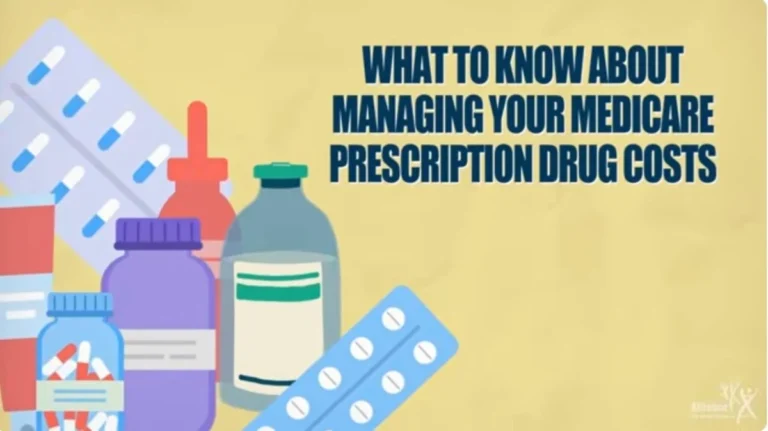
For instance, the Alliance saw a significant increase in engagement across its digital education platforms. These platforms provide vital, plain-language information on complex medical issues, from age-related diseases to navigating the Medicare system. The data within the report suggests that by simplifying complex clinical information, the Alliance has successfully empowered thousands of older adults to take a more active role in their healthcare decision-making.
Furthermore, the report highlights the impact of its collaborations. By working alongside medical associations, caregiver organizations, and scientific research bodies, the Alliance has leveraged its influence to push for broader health equity. The data suggests that these partnerships have been instrumental in maintaining a seat at the table during high-stakes federal discussions.
Official Responses: A Vision for the Future
The release of the report was accompanied by a joint statement from Alliance Board Chair Michele Markus and President & CEO Sue Peschin. Their words reflect the gravity of the current moment:
"As we reflect on the past year, we are grateful for the progress we have made together—and are clear-eyed about the importance of our work ahead," said Markus and Peschin. They noted that the challenges of 2025 were not merely bureaucratic hurdles but fundamental tests of the nation’s commitment to aging with dignity. "In 2025, federal government and agency regulation continued to evolve, which challenged us to fight back for our core belief in equitable healthy aging."
This sentiment echoes through the report. The leadership team emphasizes that their success is not a solo effort; it is a collective achievement made possible by a vast network of donors, partners, and the older adults who share their stories to drive policy change.
Implications: The 40th Anniversary and the Road Ahead
As the Alliance for Aging Research marks its 40th anniversary, the 2025 Impact Report serves as a bridge between four decades of history and an uncertain but vital future. The implications of this report are three-fold:
1. The Necessity of Constant Vigilance
The 2025 regulatory environment proved that the gains made in previous decades are never guaranteed. The report implies that for the Alliance, "business as usual" is no longer an option. The organization must continue to be an agile advocate capable of pivoting quickly in response to executive orders and agency rule-making.
2. The Power of Patient-Centric Advocacy
The report demonstrates that when the voices of patients are centered in advocacy, the effectiveness of the message is magnified. As the Alliance looks toward the next decade, it intends to double down on the stories of older adults, using their lived experiences to humanize the dry, technical language of federal policy.
3. Strengthening the Community
The final takeaway from the report is a call to action. With four decades of experience, the Alliance is positioning itself as the nexus for all stakeholders involved in the aging sector. By inviting supporters to "stay connected," the organization is building a more resilient, better-informed base of supporters ready to engage in the next phase of the fight for equitable healthy aging.
Looking Forward: How to Engage
The Alliance’s invitation to explore the 2025 Impact Report is also an invitation to participate in the organization’s future. Whether through reviewing the detailed financial data, utilizing the educational resources, or supporting the advocacy efforts, the Alliance makes it clear that the work of aging research is a communal responsibility.
As Katie Riley, Vice President of Communications at the Alliance, points out, the transparency provided in this year’s report is essential to maintaining the trust of the community. In an era where information is often siloed, the Alliance is making a concerted effort to keep the lines of communication open.
For those interested in supporting this mission, the Alliance encourages visitors to head to www.AgingResearch.org. As the organization celebrates its 40th year, the 2025 Impact Report serves as a definitive record of an organization that has not only survived four decades of change but has actively shaped the conversation around what it means to grow older in America.
The challenges of the past year have proven that the Alliance for Aging Research is a steadfast guardian of the rights and health of older adults. As they look toward the future, the organization remains focused on its mission: to accelerate the pace of scientific discovery and improve the quality of life for all aging individuals. In 2025, they proved they are more than capable of the task—and in the years to come, they intend to be more essential than ever.