









In the high-stakes world of oncology, few diagnoses are as daunting as small cell lung cancer (SCLC). Characterized by its rapid growth and notorious ability to evade the body’s natural defenses, SCLC has remained a formidable adversary for decades. However, a groundbreaking study published in the journal Cancer Cell by researchers at WEHI (Walter and Eliza Hall Institute of Medical Research) has unveiled a critical breakthrough: the identification of a previously overlooked immune cell type capable of detecting and destroying this lethal disease.
This discovery marks a potential turning point in how clinicians approach one of the world’s most aggressive cancers. By identifying a specific subset of "hidden" immune cells, researchers have mapped out a new strategy to penetrate the defensive cloaks that SCLC uses to remain invisible to the immune system, potentially opening the door to life-saving, personalized immunotherapy.
The Challenge of SCLC: Why Traditional Methods Fail
Small cell lung cancer represents a significant clinical crisis. With fewer than 7% of patients surviving five years past their initial diagnosis, it is statistically one of the most lethal malignancies. While the broader field of oncology has been revolutionized by the advent of immunotherapy—which trains the body’s own immune system to target and kill malignant cells—the success of these treatments in SCLC has been remarkably limited.
The primary hurdle is the cancer’s biological "invisibility cloak." Conventional immunotherapy typically relies on specific immune cells that are easily blinded by the complex microenvironment of an SCLC tumor. Because these tumors are experts at immune surveillance evasion, they often persist despite aggressive chemotherapy and standard checkpoint inhibitor treatments. Until now, the mechanism behind this resilience was poorly understood, leaving patients with few viable options once standard treatments failed.
A Chronology of Discovery: From Clinical Data to the Laboratory Bench
The path to this discovery was not linear; it was the result of a multi-year effort that bridged big-data analysis with cutting-edge "mini-tumor" technology.
The Bioinformatics Breakthrough
The journey began with a deep dive into data from two landmark clinical trials: IMpower133 and CASPIAN. These trials were instrumental in establishing current immunotherapy protocols for SCLC. However, the WEHI team, utilizing advanced genomic and computational techniques, looked beyond the primary findings of these trials. They were hunting for "signatures"—patterns in gene expression that might explain why some patients responded favorably to immunotherapy while others did not.
The bioinformatics team discovered a distinct correlation: patients who showed higher levels of a specific immune cell type, known as gamma delta T cells, consistently experienced better treatment outcomes. This provided the first concrete evidence that these cells were not mere bystanders, but active participants in the war against lung cancer.
Cultivating the "Mini-Tumor"
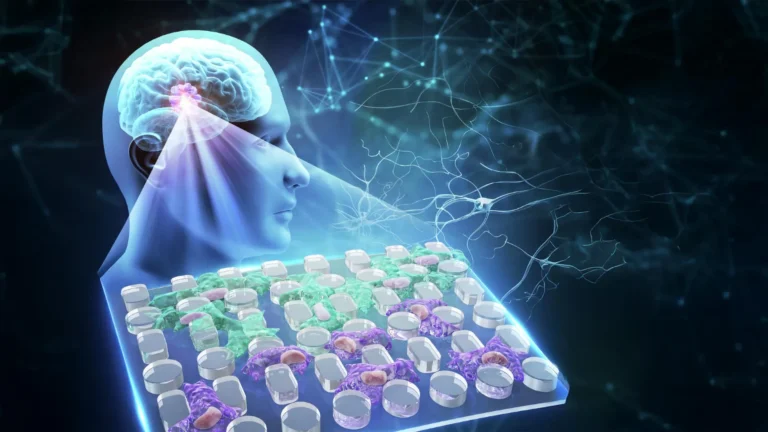
To move from correlation to causation, the researchers partnered with the Victorian Cancer Biobank and the Royal Melbourne Hospital to acquire fresh tissue samples from patients. Using these samples, the team engineered "mini-tumors"—sophisticated 3D laboratory models that mimic the biological behavior of SCLC with unprecedented accuracy.
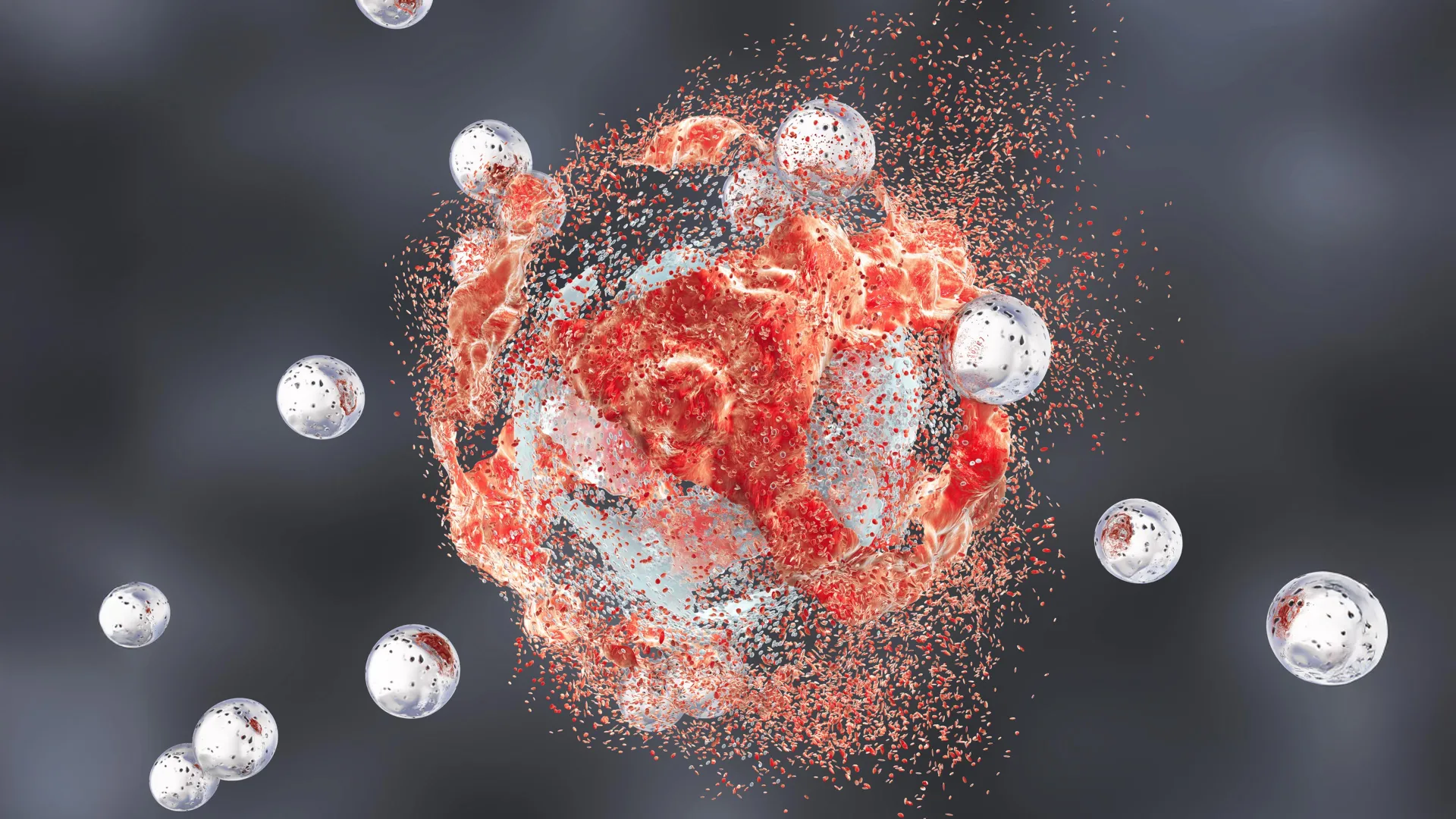
By introducing the patients’ own gamma delta T cells into these mini-tumors, the researchers observed a dramatic reaction: the immune cells were not only capable of locating the cancer but were highly efficient at infiltrating and destroying the tumor cells. This confirmed that the gamma delta T cells possessed the unique capacity to "see through" the disguises that render SCLC invisible to other immune agents.
The Power of Synergy: Repurposing Existing Medications
Perhaps the most promising aspect of the research is the discovery that existing, FDA-approved medications can act as a catalyst for these gamma delta T cells. The team tested a dual-drug approach using zoledronate (typically used for osteoporosis) and tarlatamab (an existing SCLC treatment).
The synergy between these two drugs was profound:
- Zoledronate acted as a booster, significantly increasing the number of gamma delta T cells and sharpening their ability to identify tumor cells.
- Tarlatamab served as a "bridge," physically drawing the immune cells toward the cancer cells, effectively steering the immune attack.
In laboratory trials, the combination of these drugs substantially amplified the cancer-killing capabilities of the gamma delta T cells. This finding is particularly significant because it suggests that doctors may not need to wait for entirely new drugs to be developed; rather, they may be able to enhance the efficacy of current standard-of-care treatments by integrating this targeted immune-boosting approach.
Official Perspectives: Translating Science into Survival
The implications of this study are being met with cautious optimism by the global oncology community. Professor Kate Sutherland, the study’s senior author and a laboratory head at WEHI, emphasized that this discovery addresses a core, longstanding frustration in lung cancer research.
"For decades, we’ve known that small cell lung cancer is exceptionally good at hiding from the immune system," Professor Sutherland noted. "We’ve found an immune cell that appears to be able to see through that disguise. Strikingly, patients whose tumors contained more of these specialized immune cells often had better treatment outcomes. This is the strongest evidence yet that gamma delta T cells are present in small cell lung cancers and appear capable of fighting the disease."
Dr. Jin Ng, the study’s first author, highlighted the potential for "adoptive cell transfer"—a therapeutic approach where immune cells are harvested, multiplied in a controlled laboratory environment, and then reinfused into the patient. Because the technology to expand these cells already exists, Dr. Ng believes the gap between the laboratory bench and the clinic could be significantly shorter than typical drug development cycles.
"As therapies that expand and reinfuse gamma delta T cells already exist, our findings raise the exciting possibility of rapidly translating this discovery into new treatment strategies," Dr. Ng said. "This could open an entirely new avenue for personalized treatment approaches in SCLC and other solid cancers that are often missed by conventional immune cells."
Implications for Future Oncology
The discovery of the gamma delta T cell’s role in SCLC is not just a win for lung cancer research; it represents a paradigm shift in how we perceive the immune system’s versatility. By focusing on cells that act outside the standard T-cell pathways, researchers are effectively opening a "second front" in the war on cancer.
Personalized Medicine
The ability to measure a patient’s gamma delta T cell levels could eventually become a standard diagnostic tool. Patients identified as having low levels of these cells could be prime candidates for therapies that stimulate their production, while those with higher levels might respond better to specific immunotherapy combinations. This moves the field closer to a personalized medicine model, where the treatment is tailored to the unique immune profile of the patient’s tumor.
Collaboration and Next Steps
The momentum generated by this study is already leading to new partnerships. The WEHI team is currently working with the Doherty Institute to bridge the gap toward clinical application. Their goal is the development of a new class of immunotherapy drugs specifically engineered to leverage the gamma delta T cell pathway.
While clinical trials in human patients are the necessary next step to confirm these laboratory successes, the foundation has been laid. With support from organizations like the Cancer Council Victoria, the NHMRC, and the International Association for the Study of Lung Cancer, the research is well-positioned to advance.
A New Horizon
For the thousands of patients diagnosed with small cell lung cancer each year, the "invisibility" of their disease has long been a source of despair. This research provides a tangible, science-backed reason for hope. By unmasking the enemy and empowering the body’s own defenses, the researchers at WEHI have provided a blueprint for a future where even the most aggressive cancers can be detected, targeted, and ultimately, defeated.
As the team moves into the next phase of development, the focus remains clear: transforming this fundamental biological discovery into a robust clinical reality that can extend and save lives. In the fight against one of humanity’s deadliest diseases, the gamma delta T cell may well be the hero we have been waiting for.