












For patients and families facing a cancer diagnosis, the medical landscape can feel overwhelming. Amidst the flurry of terminology and treatment protocols, one term often rises to the surface: the "clinical trial." While frequently discussed, clinical trials remain one of the most misunderstood components of modern oncology. Far from being a desperate final option, these research studies represent the very bedrock of medical progress. Every standard treatment available in a modern clinic today—from chemotherapy to groundbreaking immunotherapies—exists solely because a patient once stepped forward to participate in a clinical trial.
The Evolution of Cancer Care: Understanding Clinical Trials
At their core, cancer clinical trials are rigorously designed research studies intended to evaluate new methods for preventing, detecting, and treating malignancy. They are the essential bridge between laboratory discovery and patient care.
Clinical trials are not monolithic; they vary significantly in their intent. Some are designed to test the efficacy of entirely novel pharmaceutical agents, while others focus on optimizing existing protocols, improving early detection diagnostics, or enhancing the quality of life for patients by mitigating the debilitating side effects of current therapies. In the era of precision medicine, trials often focus on specific biomarkers or genetic profiles, allowing for highly targeted interventions that represent the future of oncology.

The Chronology of Scientific Discovery
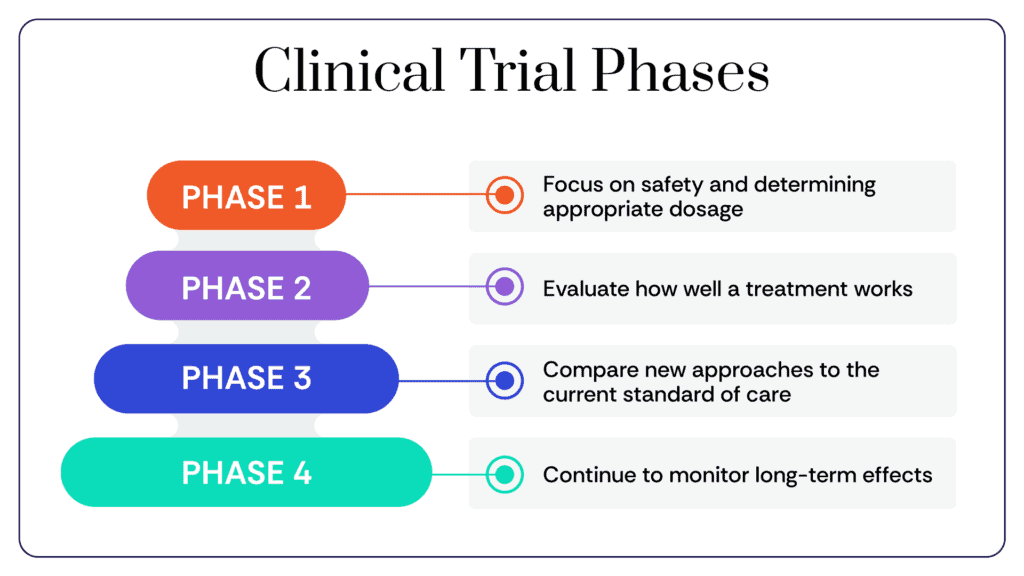
The development of a new cancer treatment is a marathon, not a sprint. To ensure the highest standards of safety and efficacy, researchers conduct trials in a structured, multi-phase sequence:
- Phase I: The primary goal is safety. Researchers determine the best dose of a new treatment and identify potential side effects. These trials usually involve a small group of participants.
- Phase II: Researchers continue to evaluate safety while assessing whether the treatment has an anti-tumor effect on specific types of cancer.
- Phase III: This phase compares the new treatment against the current "standard of care." These trials are typically larger and are designed to confirm whether the new approach offers a superior benefit.
- Phase IV: Conducted after a drug has received regulatory approval, these studies monitor long-term safety and effectiveness in the general population.
The Patient Perspective: Why Participation Matters
The decision to join a clinical trial is deeply personal. For many, the primary motivation is the potential for early access to cutting-edge therapies that are not yet available to the general public. For others, it is the opportunity to receive intensive, specialized monitoring from a dedicated research team that provides an extra layer of clinical oversight.
However, there is an equally compelling altruistic dimension to participation. As Kristin Kleinhofer, a Stage 4 Leukemia survivor, poignantly noted: "I began to look at clinical trials, and it wasn’t only that I was fighting for my life, but I really wanted to pay it forward, help cancer research, and help other cancer patients, even if it wasn’t going to work for me." This sentiment is echoed by oncologists like Dr. Joshua Brody of the Icahn School of Medicine at Mount Sinai, who emphasizes that "every miraculous breakthrough has come from clinical trials."

Debunking the "Last Resort" Myth
A pervasive misconception in the cancer community is that clinical trials should only be considered when all other options have been exhausted. This perspective can deprive patients of significant opportunities. In modern oncology, clinical trials are available across the entire spectrum of a patient’s journey. Depending on the diagnosis, a trial might be the most effective first-line therapy, or it may offer a viable alternative when standard treatments fail to produce the desired outcomes.
Supporting Data and Practical Considerations
Engaging with the clinical trial process requires a sober assessment of both risks and benefits. It is a decision that should be made in close consultation with one’s primary oncology team.
Weighing the Pros and Cons
- The Potential Benefits: Access to state-of-the-art treatments, contribution to the advancement of medical science, and highly personalized care from leading experts.
- The Potential Risks: As with any medical intervention, new treatments may come with unknown or severe side effects. Furthermore, participation often requires a significant commitment of time, including frequent hospital visits, imaging, and lab work.
- The Reality of Efficacy: It is crucial for patients to understand that participation in a trial does not guarantee a cure or a better outcome than standard treatment. Science is built on uncertainty, and the trial’s purpose is to determine that very efficacy.
Financial and Logistical Realities
One of the most frequent barriers to trial participation is the perceived financial burden. In many cases, the trial sponsor covers the costs of the experimental drug and any specialized testing associated with the research. However, "routine care"—such as standard doctor visits, insurance co-pays, and general hospital stays—may still be billed to the patient’s insurance. It is imperative that patients verify coverage with their providers before enrolling to avoid unexpected financial strain.

Empowering the Patient: How to Start the Conversation
Navigating the complex world of clinical trials does not have to be a solitary endeavor. There are resources designed to help patients identify relevant trials, such as the Cancer Research Institute’s (CRI) Clinical Trial Finder. These tools, alongside guidance from oncology nurses and patient navigators, can help clarify the search process.
10 Essential Questions for Your Oncologist
To move from anxiety to action, patients should approach their medical team with a prepared list of inquiries. The following questions are designed to provide the clarity necessary for an informed decision:
- Eligibility: "Based on my specific diagnosis, genetic markers, and treatment history, are there trials that might be a good fit for me?"
- Objective: "What is the primary goal of this trial? Is it looking to improve survival, reduce symptoms, or test a new delivery method?"
- Comparison: "How does this experimental treatment differ from the standard-of-care options currently available to me?"
- Anticipated Benefits: "What are the researchers hoping to achieve, and how does that align with my personal goals?"
- Safety Profile: "What are the known side effects, and what are the potential unknown risks I should prepare for?"
- Trial Phase: "Which phase is this trial in, and what have previous results shown?"
- Logistics: "What is the time commitment? How many clinic visits, scans, and travel requirements should I expect?"
- Exit Strategy: "What happens if the treatment is ineffective, and do I have the autonomy to withdraw from the study at any time?"
- Financial Impact: "What costs are covered by the sponsor, and what will be billed to my insurance?"
- Quality of Life: "How will this trial impact my daily routine and overall well-being?"
Implications for the Future of Oncology
The clinical trial system is the engine of progress in the fight against cancer. As we enter an era of immunotherapy, CAR-T cell therapy, and genomic-based treatment, the importance of these trials has never been greater.
For the individual patient, a clinical trial represents a "path toward possibility." It is an opportunity to access the future of medicine today. For the scientific community, every participant—regardless of the outcome of their specific treatment—is a vital contributor to the body of knowledge that will eventually save millions of lives.
As Sharon Belvin, a Stage 4 Melanoma survivor, reflects: "Clinical trials are the lifeline for long-term survival rates with cancer. There is no other way to move this field forward… If it wasn’t for clinical trials, I wouldn’t be here."
Whether a trial proves to be the right choice for a specific individual or not, the act of asking the question is an act of empowerment. It is an assertion of agency in the face of a disease that often feels like it strips control away. By staying informed, asking the right questions, and utilizing available resources, patients can ensure they are navigating their treatment path with the most comprehensive information possible.