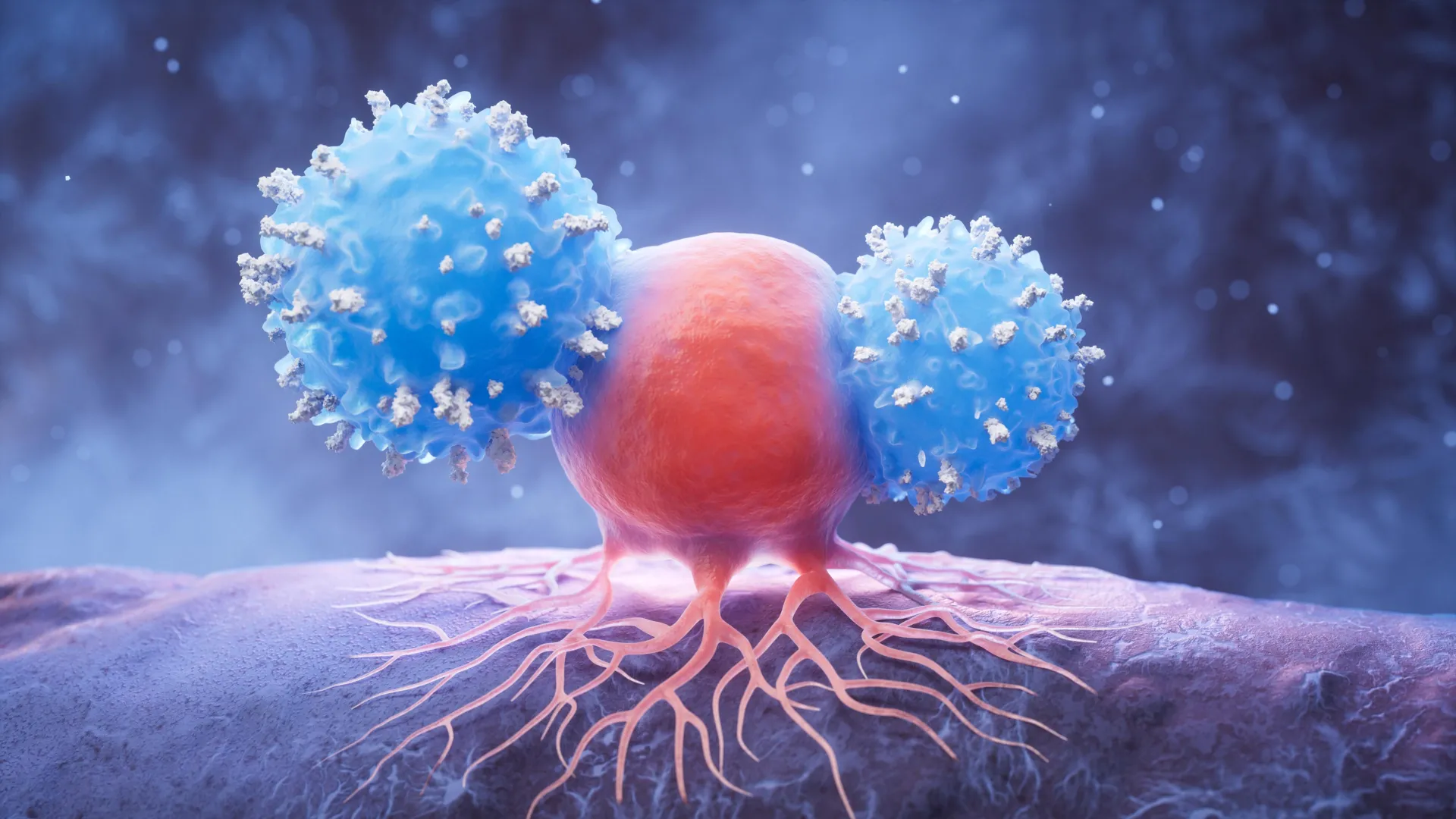
In a breakthrough that could fundamentally reshape the landscape of oncology, an international team of researchers has identified a previously unknown mechanism that allows cancer cells to effectively "cloak" themselves from the body’s immune system. The discovery, centered on a molecule known as SLAMF6, reveals a sophisticated, self-activating "brake" on T cells—the immune system’s primary soldiers—that prevents them from mounting a lethal attack against malignant tumors.
This discovery, led by Dr. André Veillette of the Montreal Clinical Research Institute (IRCM) and the Université de Montréal, has been published in the prestigious journal Nature. By successfully developing monoclonal antibodies to neutralize this mechanism, researchers have paved the way for a new generation of immunotherapies that could offer hope to patients who have exhausted existing treatment options.
The Main Facts: Understanding the SLAMF6 Mechanism
For decades, the field of immunotherapy has been dominated by the study of "immune checkpoints"—proteins that act as switches on the surface of T cells. Under normal circumstances, these checkpoints prevent the immune system from attacking the body’s own healthy tissues. Cancer cells, however, have evolved to exploit these checkpoints, effectively turning them off to hide from immune surveillance.
Current blockbuster therapies, such as PD-1 and PD-L1 inhibitors, have revolutionized cancer care by removing these inhibitory signals. Yet, they remain imperfect: a significant portion of the patient population either fails to respond to these treatments initially or develops resistance over time.
The research led by Dr. Veillette introduces a critical nuance to this paradigm. While most known checkpoints require an external signal from a tumor cell to initiate suppression, SLAMF6 acts through a self-triggering mechanism. Found on the surface of T cells, SLAMF6 can "self-associate," creating a cluster that sends a suppressive signal inward, effectively putting the T cell to sleep without needing any interaction with the cancer cell itself. This autonomy makes it a particularly stealthy adversary in the tumor microenvironment.
Chronology of Discovery: From Basic Science to Clinical Hope
The journey toward this discovery began in the high-precision laboratories of the IRCM, where Dr. Veillette and his team sought to understand why certain T cells become "exhausted" when confronted with persistent tumors.
- Initial Observations (Pre-2020): Researchers began by mapping the surface receptors of T cells found in the vicinity of various solid tumors. They noted that SLAMF6 was frequently upregulated, yet its specific role in the tumor-immune interface remained poorly understood.
- The "Aha" Moment (2021-2022): Through advanced protein imaging and genetic modeling in mice, the team discovered that SLAMF6 did not merely interact with tumor ligands. Instead, it showed a tendency to bind to other SLAMF6 molecules on the same cell or adjacent T cells. This homophilic interaction triggered a signaling cascade that suppressed the T cell’s ability to divide, release cytotoxic chemicals, or identify tumor antigens.
- Engineering the Solution (2023): Once the mechanism was clear, the challenge shifted to inhibition. Dr. Veillette’s team worked to engineer monoclonal antibodies specifically designed to interfere with SLAMF6’s ability to cluster. By physically preventing these molecules from meeting, the researchers effectively "unlocked" the brake.
- Publication (2024): The culmination of these efforts, titled "SLAMF6 as a drug-targetable suppressor of T cell immunity against cancer," was formally accepted and published in Nature, marking a new chapter in molecular oncology.
Supporting Data: Efficacy in Experimental Models
The laboratory results published alongside the study provide a compelling argument for the potential of SLAMF6-targeted therapy. In experiments involving mouse models with both solid tumors and blood-based cancers, the administration of these novel monoclonal antibodies yielded significant outcomes:
- Reinvigoration of T Cell Activity: Treated mice showed a marked increase in the production of interferon-gamma and other cytokines essential for tumor destruction.
- Increased T Cell Proliferation: The antibodies prevented the "exhaustion" phenotype, allowing T cells to continue replicating within the hostile tumor microenvironment.
- Superiority Over Existing Targets: When compared to traditional single-agent therapies, the anti-SLAMF6 antibodies demonstrated a higher success rate in shrinking tumor volumes, particularly in models where PD-1 blockade had already failed.
- Synergistic Potential: Data suggested that combining anti-SLAMF6 therapy with traditional PD-1 inhibitors led to a "double-punch" effect, where the T cells were not only protected from the tumor’s external signals but also liberated from their internal self-imposed brakes.
Official Responses and Expert Commentary
The significance of this study has been underscored by the leadership at the IRCM. Dr. Jean-François Côté, president and scientific director of the IRCM, lauded the study as a cornerstone for future translational medicine.
"The discovery made by Dr. Veillette’s team opens the door to a new chapter in immunotherapy," Dr. Côté stated. "By identifying an internal brake that had until now gone unrecognized, and by developing antibodies capable of neutralizing it, our researchers are offering an innovative solution to the limitations of current treatments. This breakthrough brings real hope to many patients and stands as a strong example of the impact of the translational research conducted at the IRCM."
The research has also garnered attention from the broader oncology community, with experts noting that the unique "self-activating" nature of SLAMF6 represents a departure from the "lock-and-key" model of checkpoint inhibition that has guided the field for the last decade.
Implications: A New Frontier in Precision Oncology
The implications of this discovery are vast, moving beyond basic science into the realm of clinical strategy.
1. Addressing Treatment Resistance
For patients who have undergone multiple lines of immunotherapy, the options often dwindle to chemotherapy or palliative care. Anti-SLAMF6 antibodies offer a potential "rescue" therapy. Because the mechanism operates independently of the PD-1/PD-L1 pathway, it provides a secondary route for immune activation, effectively bypassing the resistance mechanisms that tumors often develop against existing checkpoint inhibitors.
2. Strategic Combinations
The versatility of these antibodies suggests they may not need to replace current standards of care but rather enhance them. Clinical researchers are already looking into "cocktail" therapies where anti-SLAMF6 antibodies are administered alongside standard immunotherapy regimens, potentially lowering the doses required and reducing systemic side effects.
3. The Path to Clinical Trials
The transition from mouse models to human clinical trials is the next logical step. The IRCM and its partners are currently working to finalize the regulatory pathways to begin early-stage (Phase I) trials. These initial studies will be critical in assessing safety, pharmacokinetics, and the initial efficacy of the antibodies in human subjects with solid tumors, such as melanoma and lung cancer, as well as specific blood malignancies.
4. A Model for Translational Research
This study stands as a testament to the importance of institutional funding and collaborative research. Supported by the Canadian Institutes of Health Research (CIHR), the Terry Fox Research Institute, BioCanRx, and provincial support from Québec, the project highlights how targeted investment in basic science can lead to tangible, life-saving innovations.
Conclusion: Looking Ahead
As we stand at the precipice of a new era in cancer treatment, the identification of SLAMF6 as a T cell suppressor serves as a reminder that the human immune system is a landscape still full of hidden mechanisms waiting to be understood. While the road to clinical approval is long and fraught with rigorous testing, the findings by Dr. Veillette and his team provide a beacon of optimism.
By peeling back the layers of how cancer hides, science is gradually stripping away the defenses that these diseases use to survive. As the research moves toward human trials, the medical community remains hopeful that the SLAMF6 antibody will transition from a laboratory discovery to a powerful tool in the clinician’s arsenal—ultimately offering a second chance to those who need it most.
Study Reference:
Veillette, A., et al. (2024). "SLAMF6 as a drug-targetable suppressor of T cell immunity against cancer." Nature.
Funding Acknowledgements:
The research was supported by the Canadian Institutes of Health Research (CIHR), the Terry Fox Research Institute, BioCanRx, the Ministry of Economy, Innovation and Energy of Québec, and the Canadian Foundation for Innovation.