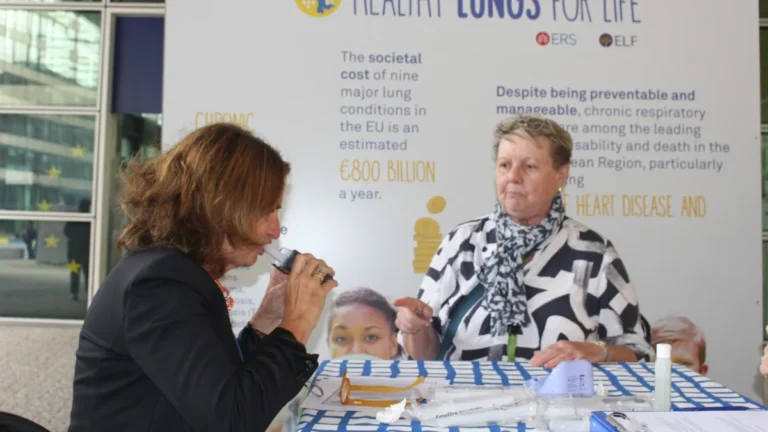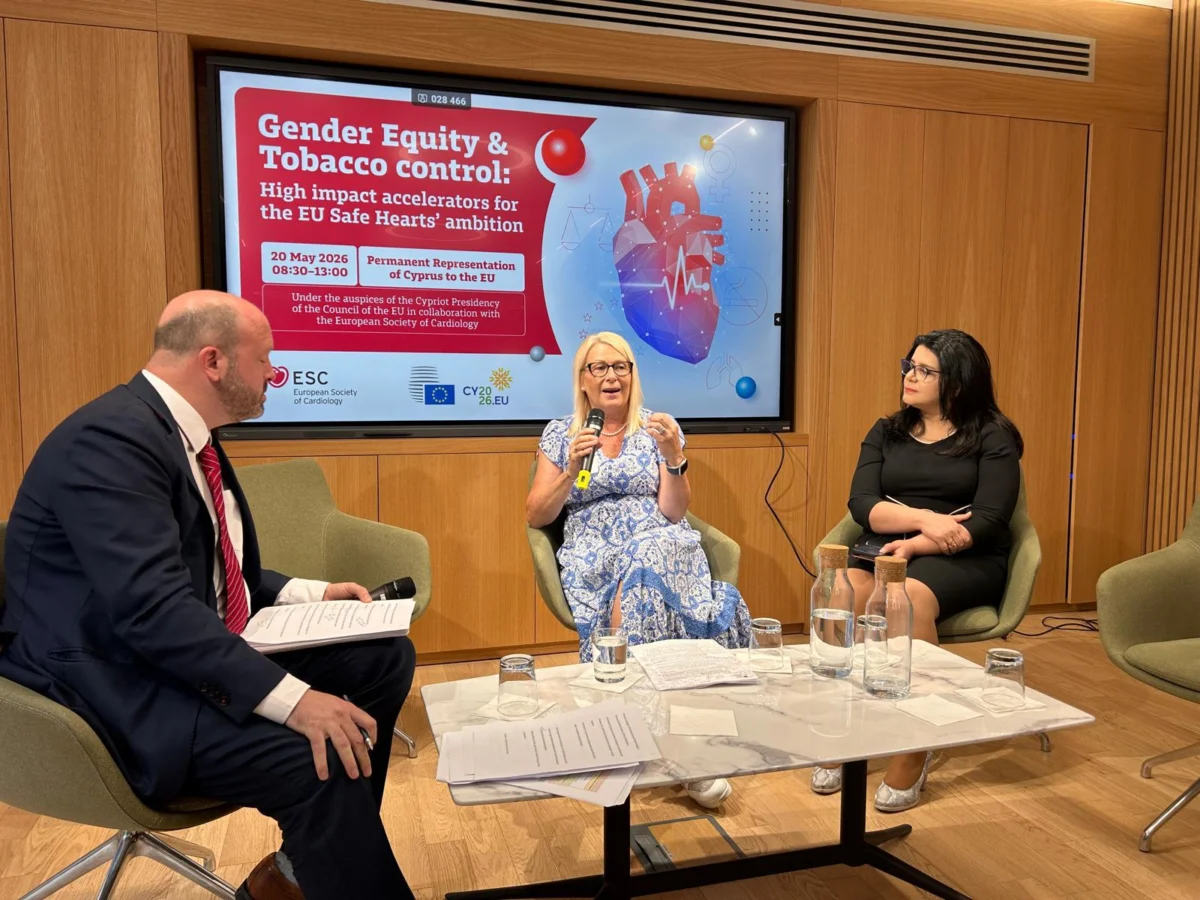
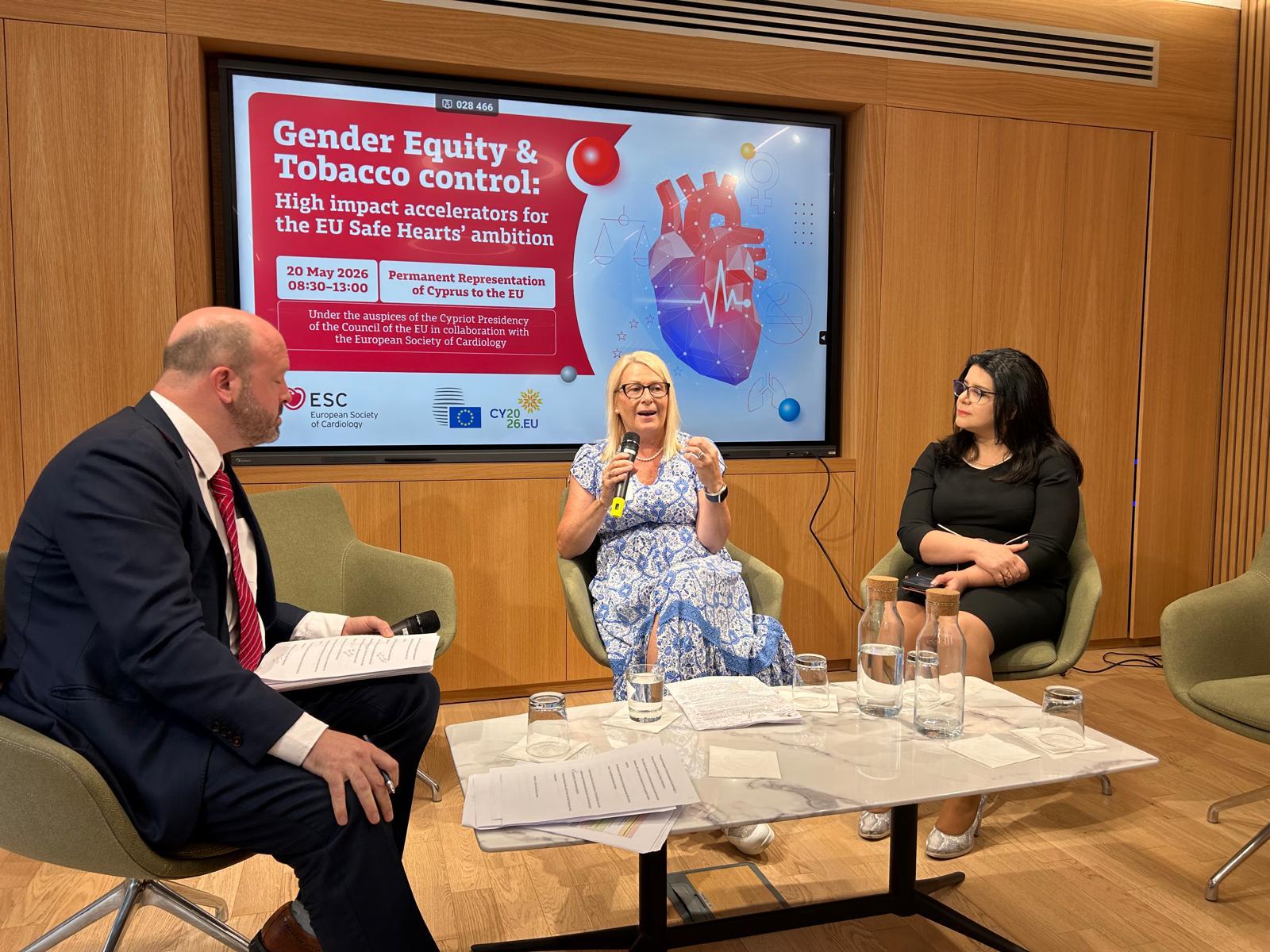
On May 20th, the European Lung Foundation (ELF) made a significant impact on two critical fronts of public health. Through the strategic participation of its leadership, the organization underscored the indispensable role of the "patient voice" in high-level policy discussions. Helen Parks, ELF Council member and Chair of the ELF United Patient Advisory Group (UPAG), traveled to Brussels to address the European Society of Cardiology (ESC) on gender equity and tobacco control. Simultaneously, incoming ELF Chair Phil Taverner engaged with the Clean Air Champions network in the UK to advocate for systemic change regarding air quality.
These simultaneous engagements mark a turning point for ELF, signaling a shift from traditional advocacy to a more integrated, patient-led approach to European healthcare policy.
The Main Facts: A Dual-Front Engagement
The core of ELF’s recent advocacy work rests on two pillars: the fight against the normalization of nicotine and the imperative to mitigate the health impacts of poor air quality.
Helen Parks’ participation at the ESC event, Accelerating the EU Safe Hearts Plan, served as a clarion call for stricter regulatory oversight. Her intervention focused specifically on the "unregulated" proliferation of vaping products. Parks argued that current public health frameworks are failing to protect the youth, who are being targeted by sophisticated marketing and flavor profiles.
In parallel, Phil Taverner’s engagement with the Clean Air Champions—a network of clinicians dedicated to addressing the intersection of air pollution and chronic respiratory illness—focused on the "lived experience" of air quality. His message was clear: air pollution is not merely an environmental concern; it is a fundamental determinant of health that restricts the daily agency of patients with lung conditions.
Chronology of the Day: May 20th
Morning: Addressing the Tobacco Epidemic in Brussels
At the ESC event in Brussels, the discourse was centered on the EU Safe Hearts Plan. The event brought together policymakers, cardiologists, and public health experts. Parks, representing the patient perspective, was invited to a specialized panel discussion. Her testimony served to bridge the gap between academic research on tobacco-related cardiac risks and the societal reality of the classroom and the home. She recounted her childhood experience with passive smoking, illustrating the long-term, lingering effects that such exposure has on respiratory development.
Afternoon: The Clinical Network and Air Quality
As the Brussels conference concluded its morning sessions, Phil Taverner was convening with the Clean Air Champions in the United Kingdom. This session was designed to equip clinicians with the tools to discuss air quality as part of a patient’s routine care. Taverner’s contribution was essential here: he transitioned the discussion from abstract parts-per-million measurements to the practical, often impossible, choices patients must make to avoid polluted environments in their everyday commutes and work lives.
Supporting Data: The Rising Crisis
To understand why these interventions are timely, one must look at the data currently shaping the European public health landscape.
The Vaping Surge
According to recent surveys presented during the ESC event, nicotine product usage among adolescents—particularly teenage girls—has seen an alarming, statistically significant rise over the past three years. The "vaping problem" is no longer a niche issue; it is a widespread public health crisis. The lack of standardized, Europe-wide regulation on the chemicals used in vaping liquids creates a "Wild West" scenario that, according to experts at the ESC, will lead to a surge in cardiovascular and pulmonary disease within the next two decades.
The Hidden Cost of Air Pollution
Data from the Clean Air Champions network indicates that for patients with asthma and COPD, air quality is the single most significant trigger for emergency hospital admissions. While clinicians have historically focused on medication and lifestyle factors (like exercise and diet), the data now proves that without addressing environmental exposure, medical management is only partially effective. Studies referenced during the UK meeting suggest that even a 5% reduction in particulate matter (PM2.5) exposure can lead to a 12% reduction in exacerbation-related hospitalizations.
Official Responses and Perspectives
The Patient Perspective
Helen Parks, in her address to the ESC, noted: "Living with asthma is a daily negotiation with one’s environment. When I see the rise in vaping among students, I am not just seeing a trend; I am seeing a future generation of patients with compromised lung function." Her call for action is directed at policymakers who have been hesitant to treat vaping with the same regulatory rigor as traditional tobacco.
Phil Taverner’s perspective echoes this frustration: "We talk about ‘informed choices’ in medicine. But how can a patient make an informed choice about their health when they have no control over the air they breathe? We need to stop placing the burden of protection entirely on the individual and start moving toward policy-level environmental change."
The Clinical Response
The clinicians present at both events expressed a strong desire to formalize the patient voice in their work. The Clean Air Champions network, in particular, emphasized that they need patient advocates to help them develop "language of care." They noted that when clinicians speak about air quality in medical terms, it can feel distant to patients. When patients like Taverner describe the lived reality, it shifts the clinical focus toward more empathetic, pragmatic, and patient-centered solutions.
Implications: A New Era for Health Advocacy
The implications of these meetings are far-reaching. By positioning patient representatives at the center of both the Safe Hearts Plan and the Clean Air Champions initiatives, ELF is effectively shifting the policy narrative.
- The Policy Shift: There is a growing consensus that "prevention" must go beyond vaccines and screenings. It must now include aggressive, top-down regulation of products that damage the lungs and the cardiovascular system (tobacco/vaping) and the legislative mandate for cleaner urban air.
- Clinical Integration: The collaboration between the Clean Air Champions and ELF signals a new model of care where doctors do not just prescribe inhalers; they act as advocates for their patients’ environmental health.
- The Power of the Narrative: The most significant implication is the validation of the patient voice as a legitimate data point. Scientific data provides the "what," but the patient experience provides the "why" and the "how," ensuring that public health policies are not only evidence-based but also human-centric.
Looking Ahead: The Road to Health Equity
As ELF continues its work throughout 2026, the focus will remain on sustaining the momentum generated in Brussels and the UK. The foundation plans to compile these testimonies into a comprehensive report for the European Commission, advocating for a more stringent approach to nicotine regulation and a standardized framework for urban air quality reporting that is accessible to all citizens.
The journey ahead is complex. Tobacco and vaping lobbyists are well-funded, and urban planning for clean air requires immense political and financial investment. However, the patient voice acts as a moral and practical compass, reminding policymakers that behind every statistic is a human life.
By continuing to bridge the gap between the clinic and the halls of power, the European Lung Foundation is ensuring that the realities of living with a lung condition are not just heard, but are the primary catalyst for the legislative and social changes required to ensure a healthier future for all. As we move further into the decade, the integration of patient advocacy into the very fabric of European health policy will be the ultimate measure of our success in building a more equitable and resilient healthcare system.