By [Author/Editorial Team]
As the calendar turns to April—officially designated as Stress Awareness Month—millions of individuals find themselves navigating the complex, often overwhelming demands of the "Sandwich Generation." Caught between the responsibilities of raising children and providing care for aging parents, these individuals are at a higher risk of burnout, chronic stress, and long-term health decline. However, a revolutionary approach to self-care is emerging, one that does not require hours of free time but rather the intentional application of the five senses to everyday life.
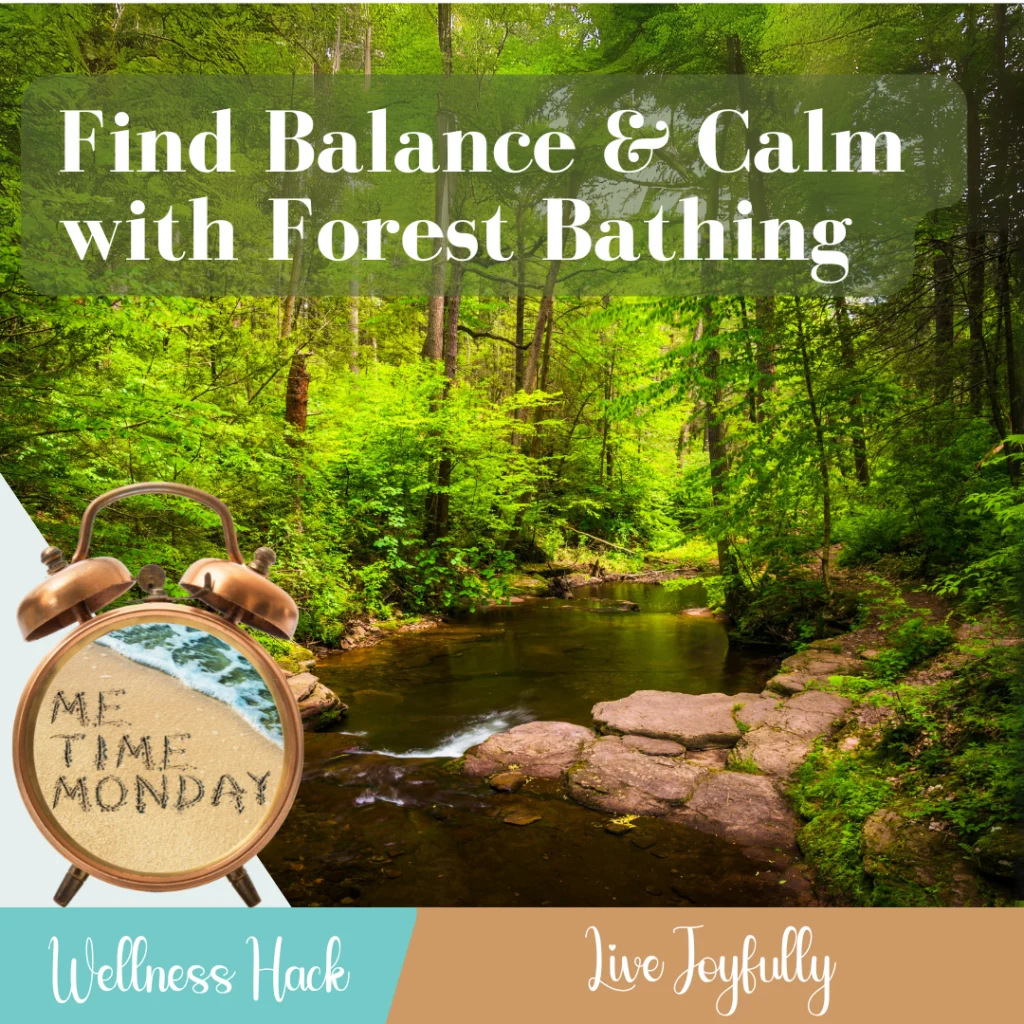
Drawing from the principles outlined in the ME TIME MONDAY methodology, this article explores how brief, seven-minute interventions can reset the nervous system, improve brain health, and foster longevity. By mapping these sensory hacks to key observances throughout April, we provide a blueprint for reclaiming mental clarity amidst the chaos of caregiving.

The Neuroscience of the 7-Minute Reset
The fundamental premise of ME TIME MONDAY is that brain health is not merely a product of medical intervention, but a byproduct of how we engage our five senses. For the overburdened caregiver, time is the scarcest commodity. Traditional wellness advice often mandates hour-long gym sessions or extended meditation retreats—luxuries the Sandwich Generation rarely possesses.
Neuroscience suggests, however, that the brain is highly responsive to "micro-doses" of sensory input. By focusing for just seven minutes on sight, sound, smell, touch, or taste, one can effectively disrupt the body’s cortisol-heavy stress response. These interventions act as a circuit breaker, signaling to the autonomic nervous system that the immediate environment is safe, thereby allowing the body to shift from "fight or flight" mode into "rest and digest" recovery.
Chronology of Care: An April Calendar for Wellness
To transform abstract self-care into actionable practice, we have aligned these sensory hacks with specific observances throughout the month of April.

April 1: National Walking Day – Engaging the Sense of Sight
Walking is often viewed as a physical fitness activity, but when viewed through the lens of mental health, it becomes a sensory exercise. On National Walking Day, we encourage caregivers to trade their pedometers for a "visual audit."
When you head out for a seven-minute walk, focus entirely on what you see rather than the distance covered. Research indicates that seven minutes of walking in nature provides the physiological equivalent of 20 minutes of indoor treadmill exercise in terms of stress alleviation. By focusing on the visual details of your environment—the texture of bark, the movement of clouds, the architectural nuances of your neighborhood—you decrease oxidative stress and lower systemic inflammation. The goal is to recall these images later, effectively anchoring your brain in a state of calm.
National Humor Month: The Social Wellness Muscle
Laughter is far more than a fleeting emotional reaction; it is an ancient, involuntary bonding ritual. During National Humor Month, we emphasize the "social wellness muscle." Spending time with a friend for a belly laugh does more than boost your mood—it triggers the release of oxytocin, often referred to as the "bonding hormone."

The Harvard Adult Development Study, an 85-year longitudinal project, has consistently identified the quality of relationships as the primary determinant of long-term health and happiness. For those in the Sandwich Generation, maintaining high-quality social connections is not just a social luxury; it is a clinical necessity for longevity.
National Healthy Home Month: The Power of Nutrition and Sight
Healthy home environments are essential for those who spend significant time caregiving within domestic walls. This month, we focus on the color green, which has been shown to induce a sense of safety and optimism in the human brain.
Avocados, surprisingly, serve as both a nutritional powerhouse and a visual aid. As a "berry," the avocado is rich in nutrients that support eye health, blocking the harmful blue light emitted by the digital devices we rely on for coordination and communication. Keeping fresh produce in the home acts as "eye candy," providing a visual cue for healthy eating and a reminder to care for one’s physical self.

April 26: National Get Organized Day – The Psychology of Clutter
Clutter is not just a nuisance; it is a trigger for a chronic, low-level stress response. Our brains are evolutionary wired to scan for danger, and a cluttered environment signals that a space is unmanageable or "unsafe."
On National Get Organized Day, focus on clearing a single area—a desk, a kitchen counter, or a bedside table. By simplifying your physical environment, you directly soothe your brain’s alarm system. This decluttering process is a form of environmental therapy, allowing your mind to focus on the task at hand rather than the visual noise of an untidy home.
April 30: National Sense of Smell Day – Air Quality and Vitality
We finish the month by focusing on the olfactory system. NASA-led research into air quality has long established that common houseplants are nature’s air purifiers. By incorporating species like the Areca Palm, Aloe, Bamboo, English Ivy, or the Spider plant, you can mitigate the impact of the roughly 40 pounds of dust and indoor toxins an average home accumulates annually. This simple act of environmental management creates a cleaner, more breathable space, reducing the physical strain on your respiratory system and contributing to a more restorative home environment.

Supporting Data: Why "Micro-Self-Care" Works
The effectiveness of these strategies is rooted in the concept of "allostatic load"—the wear and tear on the body that accumulates as an individual is exposed to repeated or chronic stress. For the Sandwich Generation, the allostatic load is remarkably high.
Studies from various health institutions have shown that:
- Nature Exposure: Even brief sessions in green spaces reduce blood pressure and heart rate variability, which are key indicators of stress recovery.
- Social Connection: Strong social ties have been linked to a 50% increased likelihood of survival, comparable to the effect of quitting smoking.
- Environment: Visual clutter increases levels of cortisol, the body’s primary stress hormone, leading to cognitive fatigue.
By breaking down self-care into seven-minute, bite-sized tasks, we reduce the "barrier to entry" that often prevents caregivers from seeking support. It transforms self-care from a daunting, time-consuming responsibility into a series of small, achievable "wins."

Official Perspectives and Expert Insight
Experts in caregiver support note that the greatest challenge for the Sandwich Generation is the "guilt cycle." Caregivers often feel that taking time for themselves is an act of selfishness. However, the ME TIME MONDAY philosophy argues that self-care is a prerequisite for effective caregiving. If the caregiver’s health fails, the entire care structure collapses.
By integrating nature, humor, nutrition, organization, and environmental quality, caregivers are not "taking time away" from their charges—they are building the resilience necessary to continue their vital work. Employers are also beginning to recognize this; many are now integrating these 7-minute wellness hacks into their corporate social responsibility programs, acknowledging that a supported employee is a more productive and present one.
Implications for the Future of Caregiving
As the population ages, the number of people entering the Sandwich Generation will continue to climb. The implications of our current approach to caregiver stress are significant. If we do not adopt sustainable, low-barrier methods for mental health maintenance, we face a public health crisis characterized by high rates of burnout, early-onset chronic illness, and professional attrition among family caregivers.

The path forward is clear: we must normalize the idea that self-care is a medical intervention. Whether it is a seven-minute walk, a moment of genuine laughter, or the simple act of decluttering a workspace, these small acts are the building blocks of a sustainable caregiving life.
For those looking to deepen their practice, resources such as the ME TIME MONDAY book, online workshops, and dedicated digital content offer a roadmap for integrating these sensory hacks into a daily routine. By shifting our focus from the massive, unreachable goals of traditional self-care to the precise, seven-minute victories, we can secure not only our own health but the longevity and quality of the care we provide to our loved ones.
For further guidance, subscribers are invited to explore the "Self-Care in 7 Minutes" video series on the Caregiving Club YouTube channel, which provides visual and auditory reinforcement for these strategies. Through consistent, small-scale action, the Sandwich Generation can move from surviving to thriving.