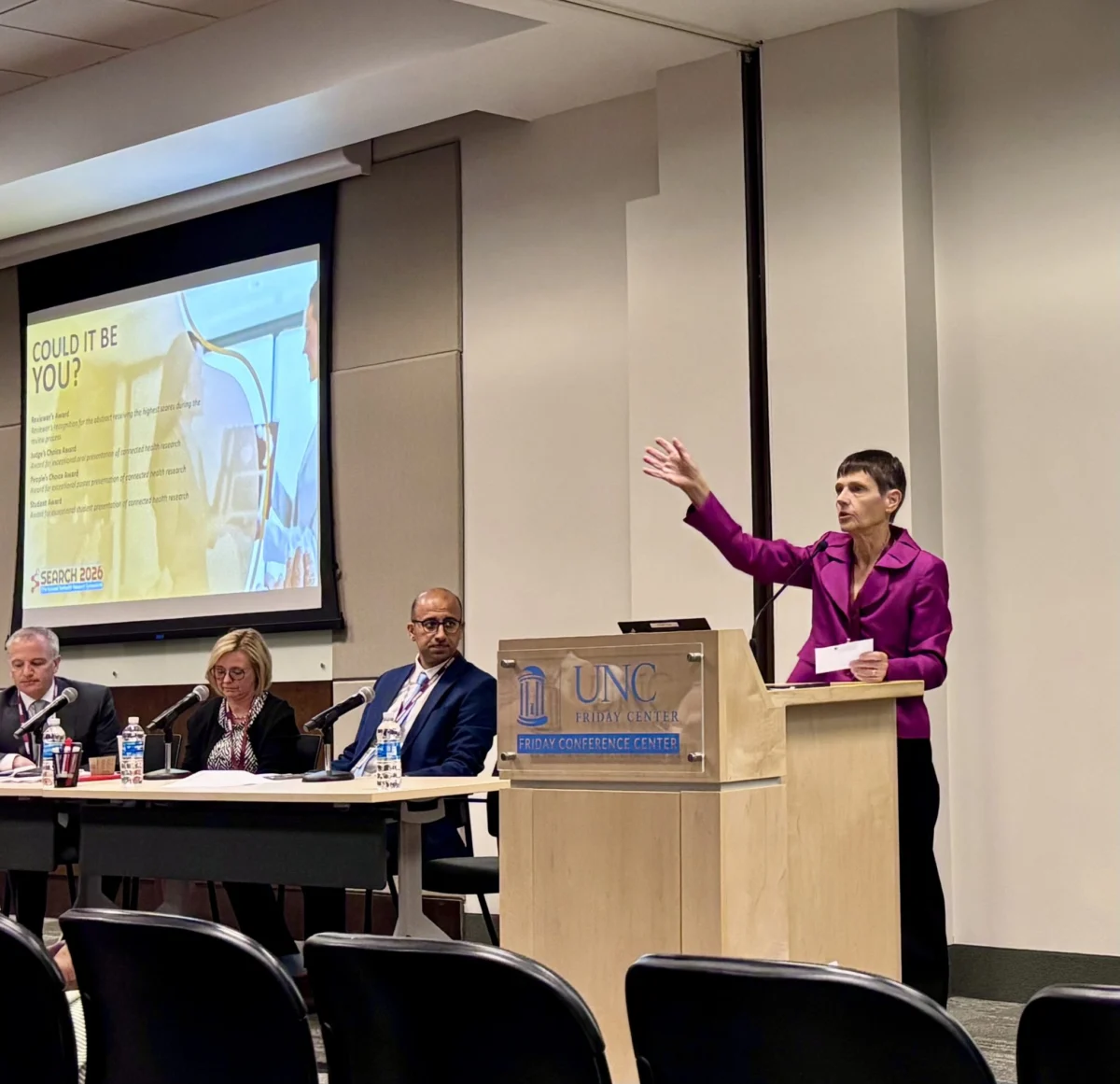
The landscape of modern medicine is undergoing a profound transformation, moving away from reactive, facility-centric care toward a more proactive, patient-centered digital ecosystem. This shift took center stage on June 1, 2026, as the Society for Education and the Advancement of Research in Connected Health (SEARCH) inaugurated its annual National Telehealth Research Symposium.
SEARCH 2026 has convened the world’s leading researchers, clinicians, and health system policymakers to address a singular, urgent question: How can we move beyond the "novelty" of telehealth to establish a permanent, evidence-based, and equitable infrastructure for connected care?
A Learning Ecosystem: Defining the New Era of Connected Health
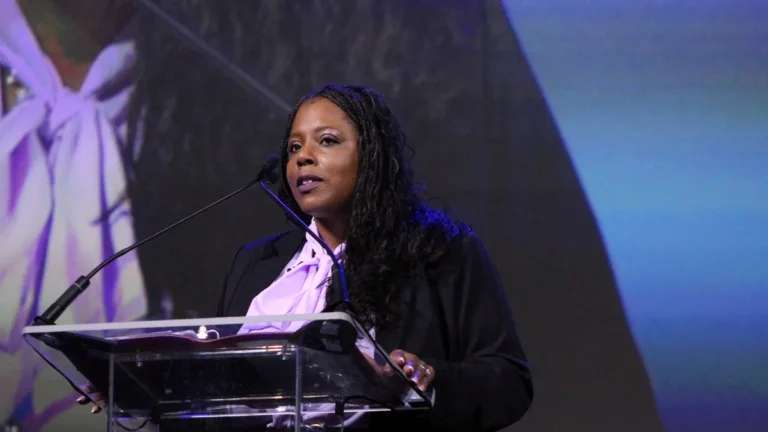
The opening remarks set a tone of rigorous accountability. SEARCH President Dr. Elizabeth Krupinski characterized the symposium not merely as a traditional scientific meeting, but as a "learning ecosystem." This distinction is vital; it suggests that the integration of digital health tools is not a finite project to be completed, but an ongoing process of iterative improvement and collaborative discovery.
"The future of telehealth will not be defined by the sophistication of the technology alone, but by our ability to ensure that these tools remain firmly rooted in clinical evidence, equitable access, and measurable improvements in patient outcomes," Dr. Krupinski noted.
With over 80 scheduled presentations covering everything from artificial intelligence (AI) and remote patient monitoring to implementation science and cybersecurity, the conference serves as a clearinghouse for best practices. The emphasis is on moving connected health out of the silo of "emergency pandemic response" and into the mainstream of chronic disease management and long-term wellness.
Keynote Insights: The STELLAR Trial and the Future of Survivorship
On June 2, the symposium featured a landmark keynote address by Dr. Bonnie Spring, PhD, ABPP, who presented findings from the STELLAR Trial—a study that epitomizes the "evidence-first" approach championed by SEARCH 2026.
Titled "Digitally Connected, Integrated Telehealth Coaching to Help Cancer Survivors Change Multiple Risk Behaviors," the presentation addressed a critical, often neglected segment of the healthcare continuum: the post-treatment cancer survivor.
The Behavioral Foundation
Dr. Spring’s research highlights a paradox in modern oncology: while treatment protocols have become increasingly advanced, the long-term support for survivors—specifically regarding lifestyle factors like smoking cessation, physical activity, and dietary habits—remains fragmented.
"Technology changes rapidly," Dr. Spring remarked during her session, "but the human behavior change principles remain the foundation." The STELLAR Trial proves that telehealth is not a replacement for behavioral science but a force multiplier. By leveraging digital coaching, the trial demonstrated that oncology practices could extend their reach into the survivor’s home, providing consistent guidance without adding to the already immense administrative burden on oncologists.
Chronology of the SEARCH 2026 Symposium
The symposium’s structure reflects the multi-disciplinary nature of the field. The following timeline outlines the progression of discussions and the strategic focus of the event:
- Day 1: Opening and Infrastructure. The focus centered on the digital divide, regulatory policy, and the foundational role of research in justifying the permanent adoption of connected health tools.
- Day 2: Clinical Integration and Behavioral Science. The highlight was the STELLAR Trial. The day was dedicated to examining how to embed digital coaching into clinical workflows without overwhelming staff.
- Day 3: Scalability and Economic Sustainability. Sessions shifted toward the "business of telehealth," discussing the integration of AI-driven analytics, reimbursement models, and the long-term ROI of preventive digital interventions.
Supporting Data: The Economic and Clinical Challenges
The transition to a digital-first model of care is not without its hurdles. During the symposium, experts highlighted several key challenges that threaten to stall the progress of connected health.

The Financial Disconnect
One of the most provocative segments of the symposium involved the discussion of "preventive care ROI." Dr. Spring noted that while preventive care is a public health imperative, it often struggles to gain traction in the U.S. private insurance market.
According to data presented, private health insurance covered over 65% of Americans in 2023. However, the transient nature of insurance enrollment—where patients frequently switch providers—creates a "churn" effect. Private payers may be reluctant to invest in long-term preventive care when the financial benefits (i.e., fewer hospitalizations for chronic illness) may not manifest until years later, potentially benefiting a different insurer.
Workforce Innovation
To combat the high costs of specialized care, the STELLAR model introduced a tiered workforce strategy. By utilizing bachelor-level health coaches under the supervision of specialized clinicians, researchers identified a scalable, lower-cost model that maintains high-quality outcomes. This "task-shifting" approach is being viewed by many at the symposium as a potential blueprint for addressing the national shortage of specialized health personnel.
Official Responses and Expert Perspectives
Industry leaders at SEARCH 2026 emphasized that technology is not a "magic bullet." Rather, success is contingent on a complex, multi-layered infrastructure.
- Dr. Elizabeth Krupinski (SEARCH President): Stressed that the symposium is designed to break down the walls between disciplines. "We are bringing together engineers who build the tools and the clinicians who use them, creating a dialogue that was previously non-existent."
- Implementation Researchers: A recurring theme among experts was the need for "closed-loop systems." It is insufficient to simply offer an app; the technology must feature automated referrals and direct integration into Electronic Health Records (EHRs) so that clinicians receive actionable data rather than overwhelming noise.
Implications for the Future of Healthcare
The implications of the research presented at SEARCH 2026 are significant. We are entering an era where the clinic is no longer the primary locus of care. Instead, the "clinic" is becoming a network of data streams, remote coaches, and AI-driven monitoring systems.
1. Shift Toward Proactive Wellness
The success of the STELLAR trial suggests that we can significantly reduce the burden of chronic disease by automating behavioral interventions. If health systems can shift from "reactive" to "proactive," they can reduce the downstream cost of acute care, potentially creating a new economic argument for private insurers to support digital prevention.
2. Integration of AI and Human Expertise
The symposium made it clear that while AI will play a massive role in data analytics and triage, it will not replace the human element of coaching. The "digital-human hybrid" model appears to be the current gold standard for efficacy.
3. Sustainability as the Next Frontier
Moving forward, the focus will shift from "can we do this?" to "can we afford to keep doing this?" The discussions around sustainable workforce models and the long-term benefits of preventive care suggest that the next few years of telehealth research will be heavily focused on economic policy and reimbursement reform.
Conclusion
As SEARCH 2026 continues, the consensus is clear: the era of "telehealth as a temporary measure" is officially over. The field is maturing into a sophisticated, evidence-based discipline that is central to the future of global health.
By prioritizing behavioral principles, focusing on scalable workforce models, and demanding rigorous research to support every technological implementation, the medical community is building a framework that will likely define healthcare for the next generation. The "learning ecosystem" established at this year’s symposium is not just about keeping pace with technological change—it is about ensuring that the human element of care remains at the heart of the digital revolution.
As we look toward the future, the work presented by researchers like Dr. Bonnie Spring serves as a reminder: technology is the conduit, but it is the evidence-based application of care that saves lives. The path forward is complex, but for the attendees of SEARCH 2026, the mission is clear: to ensure that connected health is not just a feature of modern medicine, but its very foundation.