










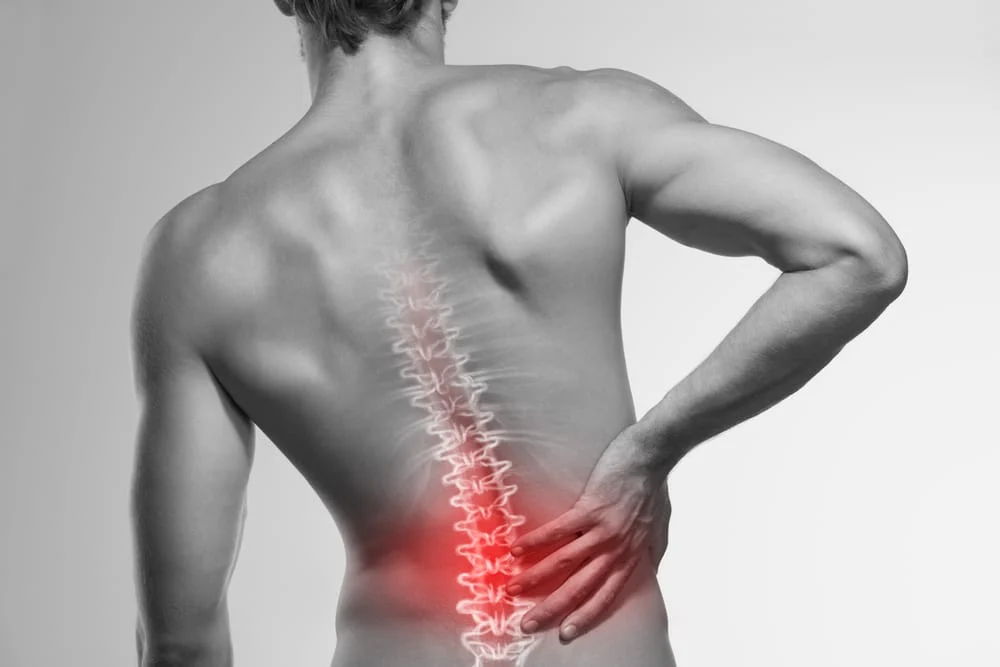
In the modern landscape of healthcare, chronic pain remains one of the most pervasive and debilitating conditions affecting the global population. For millions, the daily reality is a cycle of discomfort, limited mobility, and an over-reliance on pharmacological interventions that often mask symptoms rather than addressing the physiological source. However, a paradigm shift is underway in the medical community, spearheaded by institutions like the Southwest Florida Pain Center. By bridging the gap between cutting-edge interventional technology and compassionate, patient-centered care, this center is fundamentally changing the trajectory of pain management.
Main Facts: A New Standard of Care
The Southwest Florida Pain Center operates on a core philosophy: that pain is not merely a condition to be managed, but a clinical puzzle to be solved. Unlike traditional pain clinics that may prioritize systemic medication management, the Center utilizes "interventional pain management." This medical specialty focuses on identifying the root cause of pain—whether it originates in the nerves, the skeletal structure, or the soft tissues—and applying precise, minimally invasive interventions to mitigate it.
The Center’s approach is defined by the integration of two distinct pillars: high-tech surgical precision and high-touch patient support. By utilizing on-site, state-of-the-art surgical suites, the facility ensures that patients receive care in a controlled, specialized environment without the administrative hurdles and logistical burdens of traditional hospital settings. This specialized infrastructure allows for the deployment of advanced techniques, such as:
- Spinal Cord Stimulation (SCS): A revolutionary treatment where electrical impulses are used to intercept pain signals before they reach the brain.
- Radiofrequency Ablation: A procedure that uses heat to deactivate nerve endings, providing long-term relief for chronic joint and spine pain.
- Advanced Imaging and Guided Injections: Using fluoroscopy and ultrasound technology, physicians can deliver medication with pinpoint accuracy, ensuring the highest level of therapeutic efficacy while minimizing tissue trauma.
The Chronology of Modern Pain Management
The evolution of pain management has been a decades-long journey. For much of the 20th century, the medical community’s response to chronic pain was dominated by the "biomedical model," which relied heavily on pharmaceutical interventions. However, the resulting opioid crisis and the realization that long-term medication use often carries significant risks have necessitated a pivot.
The Rise of Interventional Techniques
- The Pre-Interventional Era: Pain was treated largely through systemic oral medications. Patients often faced a "trial and error" approach that left many in a cycle of dependency without achieving genuine relief.
- The Technological Integration (2000s): Advances in medical imaging—specifically C-arm fluoroscopy and high-definition ultrasound—allowed physicians to see inside the body in real-time. This birthed the modern era of interventional pain management.
- The Establishment of Specialized Suites (Present): Facilities like the Southwest Florida Pain Center emerged to consolidate these advanced tools into a single, cohesive environment. By moving these procedures into dedicated surgical suites, the standard of care was elevated from "clinical management" to "surgical precision," drastically reducing recovery times and increasing success rates.
Supporting Data: Why Targeted Intervention Works
The shift toward interventional management is backed by clinical data suggesting that localized treatment is significantly more effective than systemic approaches for specific musculoskeletal and neuropathic conditions.
According to data regarding interventional outcomes:
- Precision: Ultrasound-guided and fluoroscopy-guided injections have been shown to increase the accuracy of medication delivery by over 30% compared to landmark-based (blind) injections.
- Opioid Reduction: Studies have consistently demonstrated that patients undergoing successful interventional procedures—such as spinal cord stimulation—report a reduction in opioid consumption by as much as 50% to 70% within the first year of treatment.
- Functionality: Beyond the subjective measurement of pain (the 1-10 scale), interventional management focuses on objective functional improvement. Patients consistently show greater gains in physical therapy participation and mobility following the targeted deactivation of pain generators.
The Southwest Florida Pain Center’s success is also attributed to its "artistic" approach to the clinical environment. Research into "healing architecture" indicates that patient anxiety is significantly lowered in environments that prioritize aesthetics, comfort, and a soothing atmosphere. By moving away from the sterile, anxiety-inducing aesthetics of traditional hospitals, the Center fosters a psychological state that is more conducive to healing and recovery.
Official Responses and Clinical Perspectives
Medical directors at the Southwest Florida Pain Center emphasize that the "high-tech, high-touch" model is not just a marketing strategy, but a clinical necessity.
"The goal is to get to the root of the issue," says one lead clinician. "When a patient comes to us, they have often been through months or years of ineffective treatments. Our role is to peel back the layers of the pathology using our imaging suites, identify the specific nerve or disc causing the discord, and address it with a targeted, aggressive, yet minimally invasive approach. We aren’t just treating the symptom; we are treating the patient’s future."
Furthermore, the integration of these techniques is viewed as a vital community service. By offering these high-level procedures in an outpatient setting, the Center alleviates the pressure on regional emergency departments, which are often crowded with patients seeking relief from acute pain crises that could have been prevented through scheduled, interventional management.
Implications: The Future of Pain-Free Living
The implications of the Southwest Florida Pain Center’s methodology reach far beyond the individual patient. As the population ages, the prevalence of degenerative spine conditions and chronic pain is expected to rise. The model adopted by this facility provides a blueprint for the future of specialized medicine.
1. Reduced Reliance on Pharmaceuticals
The primary implication of this shift is the potential to drastically reduce the societal burden of prescription pain medication. By providing a mechanical or neurological solution to pain, the need for long-term pharmaceutical intervention diminishes, thereby lowering the risk of addiction and the systemic side effects associated with long-term medication use.
2. Economic Efficiency
By streamlining the patient journey through on-site surgical suites and specialized care, the Center reduces the costs associated with hospital stays, general anesthesia, and fragmented care. This efficiency benefits insurance providers and patients alike, making high-quality interventional care more accessible and sustainable.
3. A Holistic Definition of Success
Finally, the Center’s success challenges the medical community to redefine what "wellness" looks like. It is no longer enough to simply reduce a pain score; the goal is the restoration of the patient’s lifestyle. Whether it is returning to work, engaging in athletic activities, or simply regaining the ability to perform daily tasks without agony, the focus on "functional outcomes" marks a significant evolution in patient advocacy.
Conclusion
The Southwest Florida Pain Center stands as a testament to the power of integrating innovation with empathy. By combining the latest in medical imaging and surgical technology with a commitment to the patient’s overall experience, the center has created a model that is as sustainable as it is effective. As we move forward, the lessons learned from this facility—that pain management must be precise, proactive, and patient-focused—will undoubtedly serve as the foundation for the next generation of musculoskeletal and neurological care.
For those currently living in the shadow of chronic pain, the availability of such advanced, targeted care offers more than just a treatment plan; it offers a path back to the life they deserve. The future of pain management is here, and it is defined by the promise of precision, the absence of unnecessary drugs, and the restoration of hope.