In the wake of a transformative year for public health, the discourse surrounding nutrition, food policy, and personal well-being has reached a critical inflection point. As we navigate the complexities of 2023, the focus remains firmly fixed on the ambitious goals set forth by the White House Conference on Hunger, Nutrition, and Health. While policy frameworks are being drafted at the highest levels of government, the responsibility of cultivating a healthier society remains a collaborative effort—one that requires an intersection of rigorous academic research, systemic legislative change, and individual commitment.
The State of Nutrition: Main Facts and Policy Context
The central pillar of recent nutritional discourse is the Biden-Harris administration’s national strategy, unveiled following the September 2022 White House Conference on Hunger, Nutrition, and Health. This landmark event marked the first such gathering since 1969, signaling an urgent recognition that the American food system is currently failing to meet the physiological needs of its population.
The primary objective of this strategy is as ambitious as it is necessary: to end hunger, improve nutrition, and increase physical activity across the United States by the year 2030. To achieve these ends, the strategy proposes a multi-faceted approach, including:
- Expanding Nutrition Assistance: Strengthening programs like the Supplemental Nutrition Assistance Program (SNAP) to ensure lower-income households have consistent access to fresh, nutritious food.
- Integrating Healthcare and Nutrition: Incorporating "medically tailored meals" into Medicare and Medicaid coverage, acknowledging that food acts as a primary preventative medicine for chronic conditions such as diabetes and heart disease.
- Infrastructure for Activity: Incentivizing the development of communities that prioritize walkability, green spaces, and active transportation, thereby reducing sedentary lifestyles.
However, these systemic changes are not without their critics. Experts from the Harvard T.H. Chan School of Public Health have pointed out that while the strategy is a robust starting point, it suffers from significant omissions. Specifically, the framework lacks aggressive protections for children regarding the predatory marketing of ultra-processed, unhealthy foods. Furthermore, the strategy has been criticized for failing to adequately address the existential threat of climate change and its direct impact on food production and soil health.
A Chronology of Change: From 1969 to 2030
To understand the weight of the current moment, one must look back at the trajectory of American food policy:
- 1969: The original White House Conference on Food, Nutrition, and Health served as a catalyst for the creation of the WIC program (Women, Infants, and Children) and a massive overhaul of food labeling and safety regulations.
- 2010s: The rise of ultra-processed food consumption and the subsequent obesity epidemic led to a decade of advocacy for better labeling, such as the "Nutrition Facts" panel updates, and an increased push for taxing sugar-sweetened beverages.
- 2022 (September): The White House convenes the second-ever Conference on Hunger, Nutrition, and Health. The administration releases its comprehensive national strategy, identifying the "Food is Medicine" movement as a priority.
- 2023 (Present): The implementation phase begins. Stakeholders—from academic institutions to private-sector food producers—are now tasked with aligning their operations with the administration’s 2030 goals.
- 2030 (The Horizon): The target year for the fulfillment of the national strategy’s goals, by which point the administration hopes to have halved the prevalence of diet-related diseases and significantly reduced food insecurity.
Supporting Data: The Case for Systemic Intervention
The impetus for these policy changes is backed by staggering data. According to recent public health reports, diet-related diseases—such as type 2 diabetes, hypertension, and certain cancers—remain the leading causes of death and disability in the United States.
Current statistics indicate that:
- Food Insecurity: Nearly 10% of American households experience food insecurity, a rate that spikes significantly in marginalized communities.
- Economic Impact: The annual cost of diet-related chronic diseases in the U.S. exceeds $1 trillion, a figure that includes both direct medical expenditures and lost productivity.
- Marketing Influence: Studies suggest that children are exposed to thousands of digital advertisements for unhealthy, nutrient-poor foods annually, a trend that directly correlates with childhood obesity rates.
These data points illustrate that individual choice is not the only variable in the equation. When the "environment" is saturated with affordable, calorie-dense, and nutrient-poor options, the burden of healthy living becomes exponentially heavier for the average consumer.
Official Responses and Expert Perspectives
The Harvard Department of Nutrition has been at the forefront of analyzing these developments. Drs. Frank Hu, Walter Willett, and Lilian Cheung have been vocal about the necessity of a holistic approach. In their reflections on the White House strategy, they emphasized that government policy alone is insufficient.
"To have a significant impact," the experts noted, "the administration must bring together the public and private sectors, along with philanthropists, academia, and individuals to develop truly sustainable food systems that support both public and planetary health."
Their critique highlights the disconnect between current policy and the realities of the modern food chain. The experts argue that the strategy must pivot toward:
- Sustainable Agriculture: Supporting farming practices that sequester carbon and prioritize biodiversity.
- Regulatory Reform: Implementing stricter standards for food processing and clear, mandatory front-of-package labeling that informs consumers about the sugar and sodium content of their purchases.
- Educational Reform: Reintegrating nutrition science into public school curricula, ensuring that the next generation is empowered to make informed dietary decisions.
Implications for the Future: A Call to Action
The implications of the 2030 goals extend far beyond the cafeteria. They suggest a paradigm shift in how we define "healthcare." In this new model, a doctor’s prescription might include not just pharmaceuticals, but a list of locally sourced vegetables or a subscription to a community-supported agriculture (CSA) program.
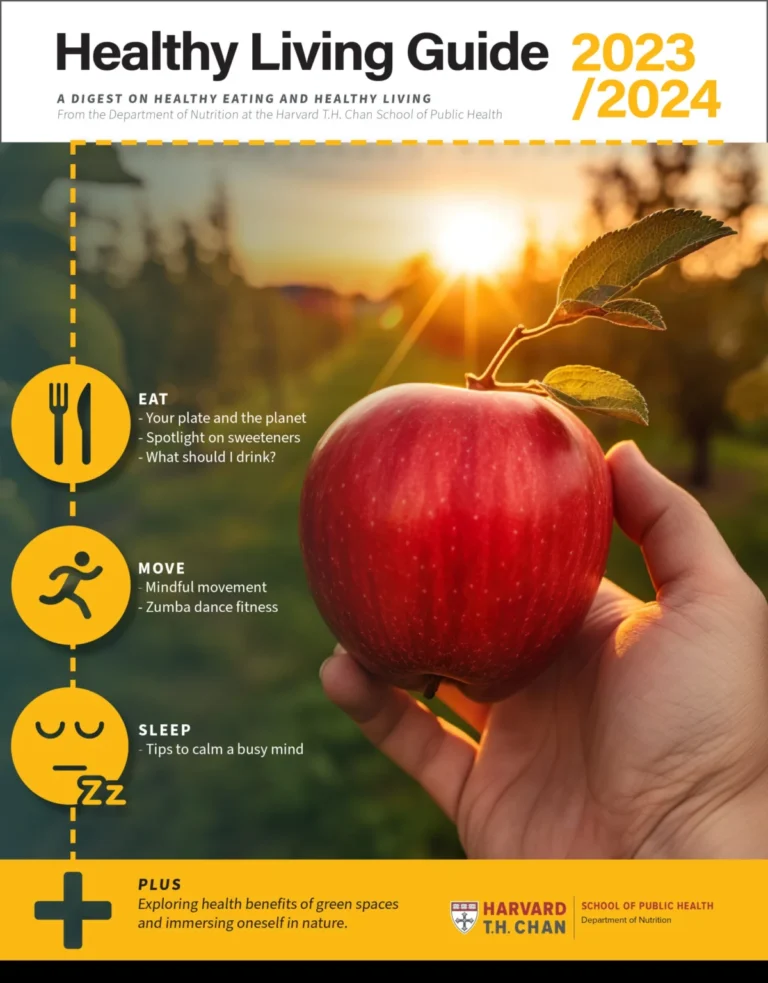
For the average individual, this means recognizing that healthy eating is not merely an aesthetic or personal goal, but a contribution to a broader movement of planetary and societal resilience. The Harvard Healthy Living Guide serves as an essential tool in this transition, offering practical, evidence-based advice for those looking to improve their health in the here and now.
The Small Change Philosophy
One of the most encouraging takeaways from the 2022-2023 discourse is the emphasis on incremental progress. The "no change is too small" philosophy acknowledges that sustainable health habits are built through consistency rather than perfection. Whether it is swapping a sugary beverage for sparkling water, incorporating a handful of nuts into a daily snack, or advocating for better nutrition options in the workplace, every action contributes to the aggregate health of the nation.
Bridging the Gap
As we move forward, the gap between "knowing" and "doing" remains the biggest hurdle. While the information on what constitutes a healthy diet is widely available, the infrastructure to support that diet is often lacking. The 2030 strategy attempts to bridge this gap, but it requires constant pressure from the citizenry to ensure that these promises are kept.
Conclusion: Empowering the Individual
As we continue to digest the implications of national policy, it is vital to remain engaged. Education is the first line of defense against the misinformation that permeates the food industry. By utilizing resources like the Harvard Healthy Living Guide, individuals can gain the knowledge required to navigate the modern food landscape with confidence.
The journey toward 2030 is long, but it is paved with opportunity. By testing our own knowledge, staying informed about policy changes, and advocating for systemic shifts that favor planetary and public health, we can ensure that the vision set forth in 2022 becomes a reality.
Test Your Knowledge: How much do you truly know about the relationship between your plate and the planet? Reflect on the lessons of the past year, revisit the expert guides provided by leading research institutions, and prepare to be an active participant in the evolving narrative of human health.
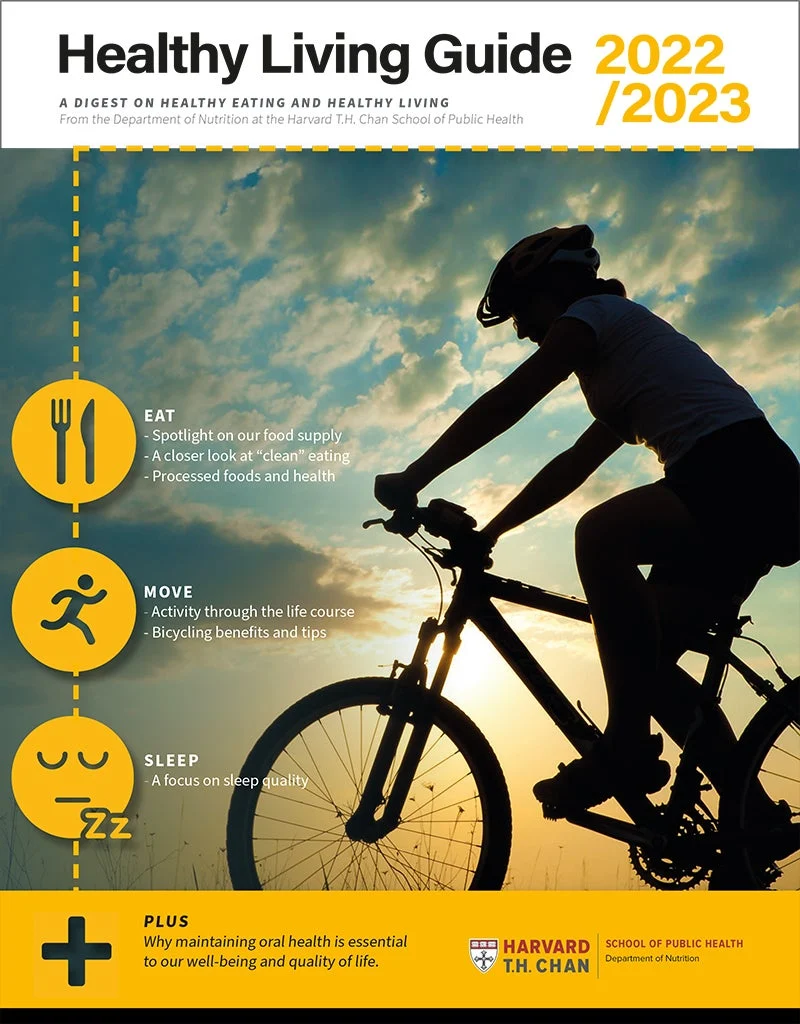
For those looking to deepen their understanding, the complete 2022-2023 Healthy Living Guide remains an essential resource. It provides not just the "what" and the "why" of healthy living, but the "how"—offering printable tip sheets that can transform your kitchen and your health journey today.