As we navigate the second half of life, the benchmarks of health shift. While cardiovascular endurance remains critical, a more subtle, yet arguably more vital, metric emerges as the primary indicator of long-term independence: walking strength. Often overlooked in favor of high-intensity cardio, the ability to walk with power, stability, and speed is the true architect of a mobile, autonomous life.
For those over the age of 60, maintaining this ability is not just about logging miles; it is about cultivating the neuromuscular power required to navigate the world safely. To understand how to preserve this function, we turn to Jacob Siwicki, a renowned fitness expert and founder of Siwicki Fitness. With an extensive background as a top-tier personal trainer and a deep understanding of human physiology, Siwicki suggests that the most effective path to restoring walking strength may not be found in the weight room, but in a simple, stable chair.
Main Facts: The Decline of Power and the Rise of Chair-Based Solutions
The human body is subject to the immutable laws of biology. Muscle mass begins a slow decline in our 30s, a process that accelerates significantly after age 60. However, Siwicki points out that muscle mass is only half the battle; the real culprit behind declining mobility is a loss of power.
"Power is defined as how fast you can produce force," Siwicki explains. "Crucially, power declines faster than endurance. You can be an avid walker—racking up thousands of steps daily—and still quietly lose the ‘snap’ in your step and your underlying balance."
This disconnect often stems from sedentary habits. Prolonged sitting causes the gluteal muscles to "shut down" or deactivate, leading to a cascade of physical limitations. When the posterior chain (the muscles on the back of your body) weakens, the gait changes, the stride shortens, and the risk of falls increases. By utilizing chair-based exercises, individuals can target these specific muscle groups with precision, rebuilding the foundation of walking without the intimidation or physical strain often associated with traditional gym equipment.
Chronology: Understanding the Aging Gait
To appreciate the importance of intervention, one must understand the timeline of the aging body:
- The 30s and 40s (Foundation Building): The onset of sarcopenia (muscle loss) begins. While often imperceptible, this is the prime window to build the "muscle reserve" that will carry an individual through later decades.
- The 50s (The Deactivation Phase): Modern professional life often dictates long hours at a desk. The glutes and core begin to weaken due to disuse, setting the stage for postural imbalances.
- The 60s and Beyond (The Critical Threshold): Muscle and power loss accelerate. This is the period where "walking strength" shifts from a lifestyle preference to a medical necessity. Researchers have begun referring to walking speed as the "sixth vital sign," as it integrates neurological, musculoskeletal, and cardiovascular health into a single, measurable metric.
Supporting Data: Why Your Walk Predicts Your Future
The clinical implications of walking strength are profound. Studies in gerontology have repeatedly demonstrated that walking speed is a powerful predictor of mortality and disability. A steady, purposeful gait requires the orchestration of the brain, the heart, the lungs, and the leg muscles. When any one of these systems falters, the gait is the first to show the cracks.
"When you protect the walk, you protect your independence," says Siwicki. "Once that gait becomes hesitant or shuffling, the risk of falls skyrockets. And in the aging population, a fall is often the ‘event’ that triggers a permanent decline in quality of life."
By focusing on functional strength training—exercises that mimic the movements of daily life—individuals can effectively "reverse" some of the symptoms of sedentary aging. Chair-based exercises provide a low-impact, high-reward environment to retrain the brain-to-muscle connection, ensuring that when you step out the door, you do so with confidence.
Official Recommendations: The Six-Part Chair Routine
Siwicki advocates for a consistent, structured routine that can be performed in the safety of one’s home. These six movements are designed to isolate the muscle groups critical for a strong gait: the quadriceps, hamstrings, glutes, and calves.
1. Sit-to-Stand (The Foundation of Power)
This is arguably the most important functional movement for any age. By sitting and standing repeatedly, you engage the entire lower body. It mimics the mechanics of climbing stairs and getting out of a car.
- The Strategy: Focus on the eccentric phase (the lowering). Take three seconds to sit back down to maximize muscle fiber recruitment.
2. Seated Marches (Engaging the Hip Flexors)
Many people lose the ability to lift their feet high enough, leading to "shuffling." Seated marches strengthen the hip flexors and core, teaching the body to lift the leg with purpose.
- The Strategy: Maintain an upright posture. Do not slouch; imagine a string pulling your head toward the ceiling.
3. Knee Extensions (Quadriceps Isolation)
Strong quads are the primary brakes of the body. They stabilize the knee joint and prevent the "buckling" that often leads to falls.
- The Strategy: Perform the movement slowly. Squeeze the muscle at the top of the extension for one full second before lowering.
4. Calf Raises (The Propulsion Engine)
The calves are responsible for the "push-off" phase of the walking cycle. If your calves are weak, your stride will lack momentum.
- The Strategy: Use the back of the chair for balance, but do not rely on it for support. Ensure you rise onto the balls of your feet fully.
5. Standing Side Leg Lifts (Hip Stability)
Walking is not just forward movement; it requires lateral stability to keep the pelvis level. These lifts target the gluteus medius, a critical muscle for balance.
- The Strategy: Keep the torso perfectly still. The movement should come entirely from the hip, not by swaying the spine.
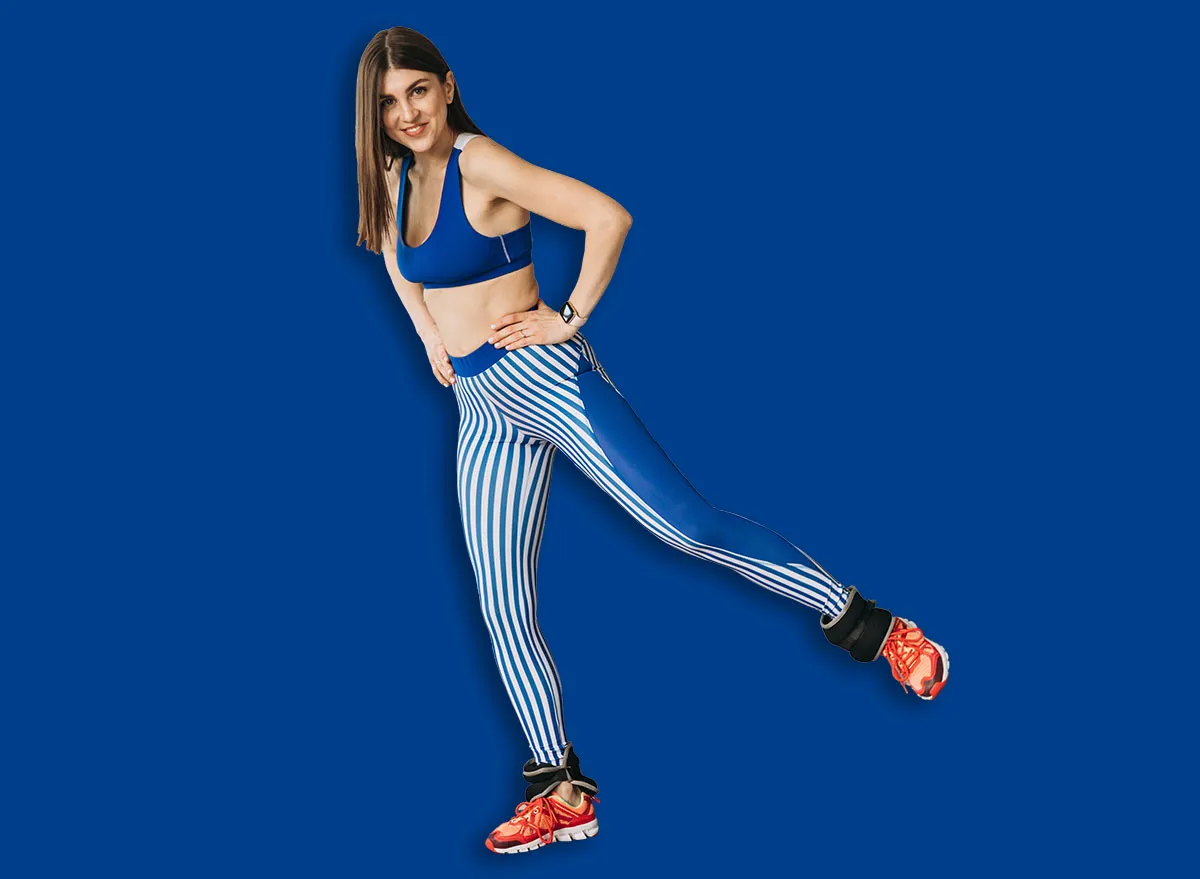
6. Standing Hip Kickbacks (Glute Activation)
To regain the "snap" in your step, you must wake up the glutes. Kickbacks isolate the gluteus maximus, which provides the power to propel your body forward.
- The Strategy: Squeeze your glute at the apex of the movement. Avoid arching your lower back.
Implications: Building a Resilient Future
The beauty of this approach is its accessibility. It removes the barriers of gym memberships, complex machinery, and the risk of injury from heavy lifting. By dedicating just 15 to 20 minutes a day to these six movements, individuals can create a profound shift in their daily mobility.
The implications extend far beyond the ability to walk to the mailbox. Increased strength leads to improved metabolic health, as muscle tissue is the body’s primary site for glucose disposal. Furthermore, the confidence gained from improved balance reduces the psychological fear of falling—a factor that often causes older adults to withdraw from social and physical activities.
In conclusion, maintaining independence in later life is not a matter of luck; it is a matter of training. By prioritizing the "sixth vital sign," you are not just exercising; you are investing in the most precious commodity of all: your ability to move through the world on your own terms. Whether you are 60, 70, or 80, the time to begin is today. Start with the chair, focus on the form, and reclaim the power in your stride.