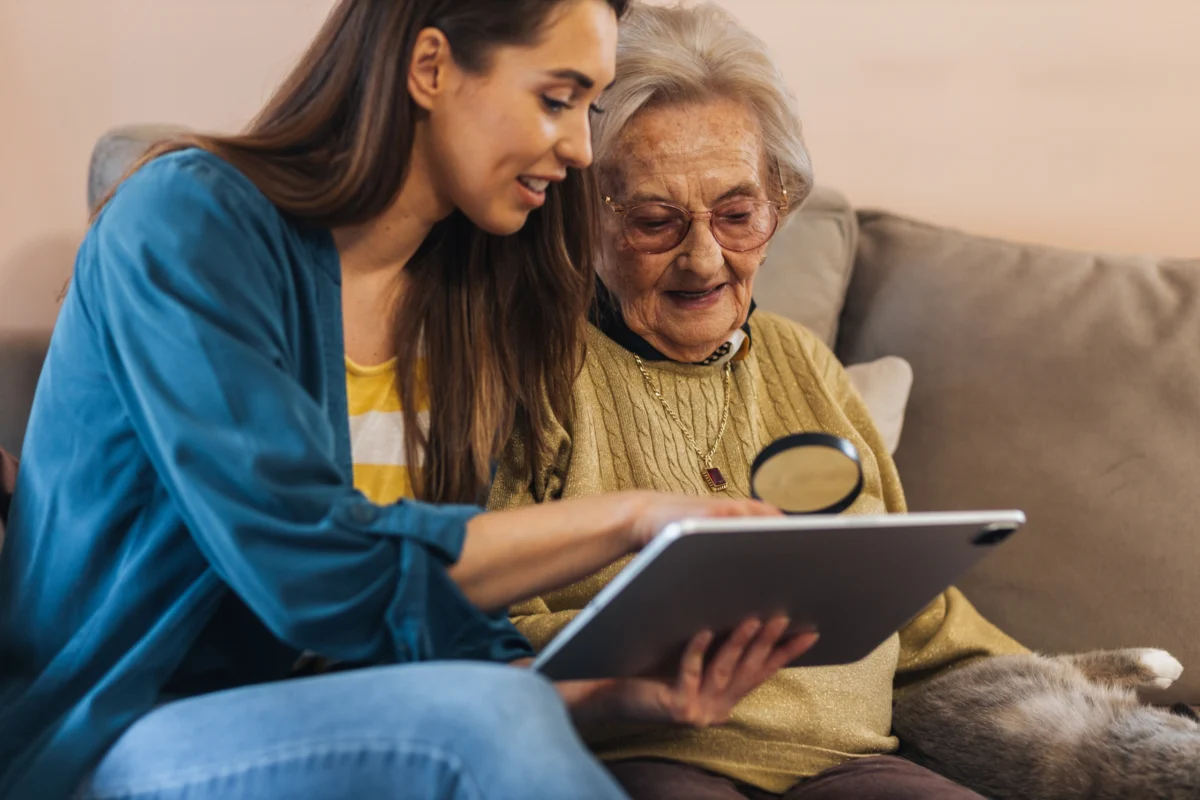
The landscape of modern medicine has undergone a seismic shift, moving from the traditional brick-and-mortar examination room to the digital realm. Telehealth—the provision of healthcare services through telecommunications technology—has evolved from a niche convenience into a cornerstone of contemporary medical practice. For millions of older adults, this digital transformation represents more than just convenience; it is a vital bridge to continuity of care, improved health outcomes, and sustained independence.
As our global population ages, the demand for accessible, efficient, and safe healthcare has never been higher. Telehealth offers a sophisticated solution to the logistical hurdles often faced by seniors, effectively democratizing access to specialists and primary care providers alike.
The Evolution of Virtual Care: A Chronology
The journey of telehealth is not a recent phenomenon, but its rapid acceleration in the 2020s has been unprecedented.
- The Early Concept (1960s–1990s): Telemedicine began with basic television-based consultations and radio communication for remote areas. It was largely experimental, utilized primarily for rural health outreach where geographic distance was an insurmountable barrier.
- The Technological Inflection (2000s–2019): As high-speed internet became ubiquitous and smartphones entered the hands of the elderly, the infrastructure for reliable video conferencing matured. During this time, telehealth was primarily used by specialized fields like radiology and dermatology.
- The Great Acceleration (2020–2022): The global pandemic served as the ultimate catalyst. Faced with the necessity of social distancing, healthcare systems worldwide were forced to adopt remote technologies overnight. This period proved that virtual care was not just a temporary stopgap but a viable, permanent model for chronic disease management.
- The Modern Integration (2023–Present): Today, telehealth is fully integrated into the standard healthcare ecosystem. It is no longer viewed as "emergency medicine" but as a routine touchpoint for managing long-term health, mental wellness, and preventative screenings.
Supporting Data: Why Telehealth Matters for Seniors
The efficacy of telehealth is supported by robust data. For older adults, the primary barriers to traditional healthcare are mobility issues, transportation deficits, and the risk of exposure to healthcare-associated infections.
According to recent industry analysis, patients who utilize telehealth for chronic condition management—such as diabetes, hypertension, and heart failure—show a 15–20% higher adherence rate to medication and follow-up schedules. By removing the stress of travel, patients are more likely to attend their appointments, leading to earlier interventions and fewer emergency room visits.
Furthermore, the "Waiting Room Effect" is significantly mitigated. For an immunocompromised senior, a busy hospital waiting area is a high-risk environment. Telehealth removes this variable entirely, allowing patients to consult with their physicians from the safety and comfort of their own homes.
H2: The Essential Toolkit for Virtual Appointments
Transitioning to digital care does not require a background in computer science. The hardware requirements are intentionally designed for accessibility. To conduct a successful telehealth visit, patients need only the following:
- A Smartphone or Tablet: Modern mobile devices feature high-definition front-facing cameras and built-in microphones, making them the ideal tools for video visits.
- A Laptop or Desktop Computer: For those who prefer a larger screen, a computer equipped with a webcam and microphone works seamlessly.
- A Reliable Internet Connection: A stable Wi-Fi connection or a 4G/5G cellular signal is sufficient to maintain a smooth, uninterrupted video call.
Pro-Tip for Success: Always aim to log in 10 minutes before your scheduled appointment time. This "buffer period" allows you to troubleshoot potential audio or video issues, verify your internet connection, and ensure you are familiar with the specific software your provider uses, such as Zoom, Doxy.me, or an integrated patient portal.
H2: Telehealth vs. In-Person: A Clinical Decision Matrix
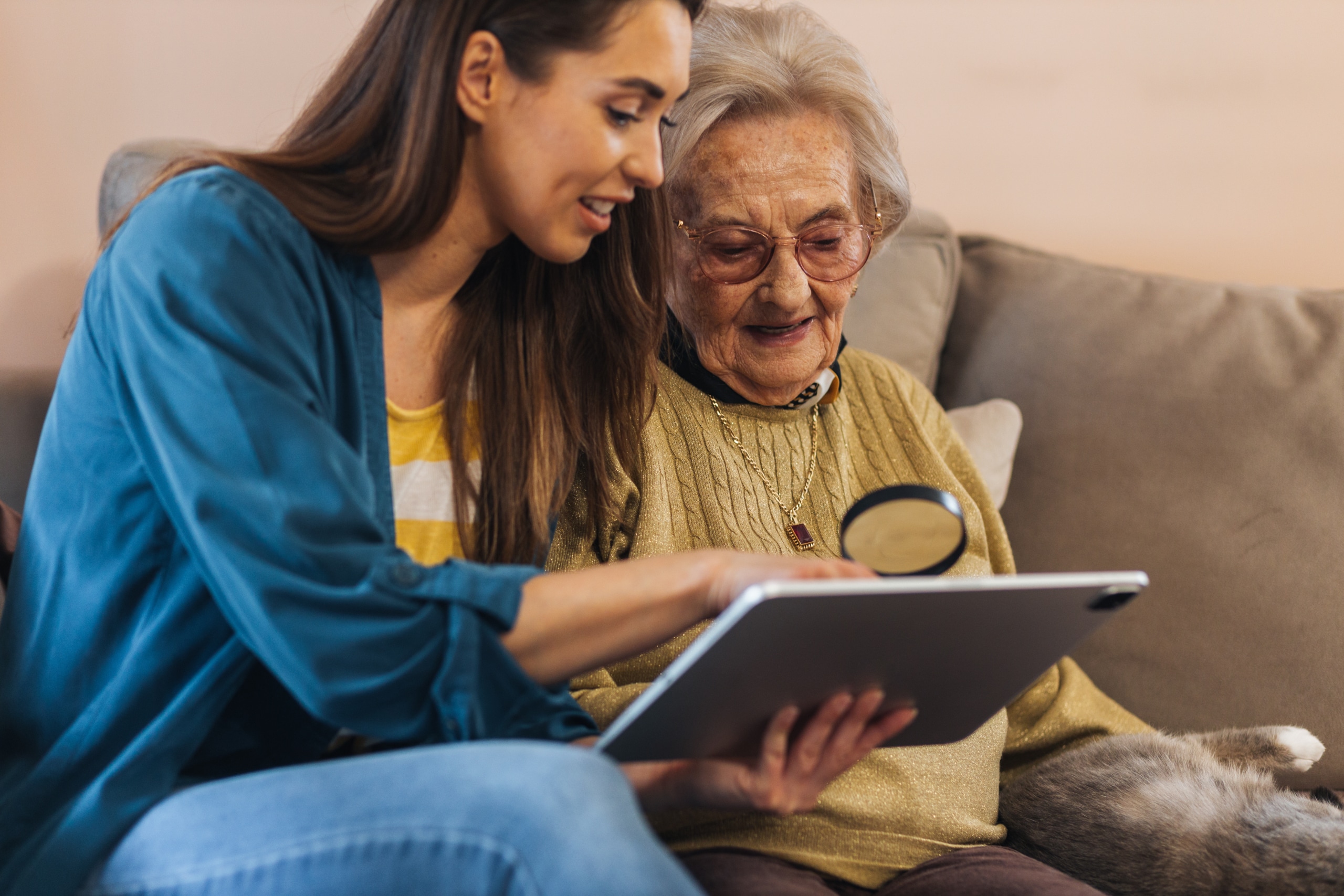
Understanding when to choose a virtual visit versus an in-person emergency trip is crucial for patient safety. While telehealth is powerful, it has limitations.
| Condition Category | Recommended Setting |
|---|---|
| Respiratory/Allergy | Telehealth |
| Dermatological Rashes | Telehealth |
| Medication Management | Telehealth |
| Mental Health/Counseling | Telehealth |
| Chest Pain/Cardiac Events | 911 / Emergency Room |
| Signs of Stroke | 911 / Emergency Room |
| Uncontrolled Bleeding | 911 / Emergency Room |
| Head Trauma/Bone Fractures | 911 / Emergency Room |
Note: If you ever experience sudden, severe symptoms—such as confusion, slurred speech, or difficulty breathing—do not attempt a virtual consult. Seek immediate emergency medical attention.
H2: Safeguarding Your Digital Health
As with any digital transition, security is paramount. The rise of telehealth has unfortunately attracted bad actors attempting to exploit patients through "phishing" or fraudulent health portals.
Katrin Werner-Perez, Director of Health Programs for the Alliance, emphasizes the importance of vigilance. "The most critical rule of virtual care is to ensure you are interacting with your verified, existing healthcare network," she notes.
Best Practices for Security:
- Stick to Official Portals: Only access telehealth through the link provided by your doctor’s office or your official insurance member portal.
- Verify the Source: Be wary of unsolicited emails, pop-up ads, or text messages claiming to offer "instant virtual doctor visits." Legitimate providers do not solicit patients via spam advertisements.
- Protect Personal Data: Never provide your Social Security number, banking information, or credit card details on an unverified website.
- Confirm Insurance Coverage: Always call the number on the back of your insurance card to verify that a virtual service is covered under your specific plan before committing to an appointment.
H2: Implications for the Future of Healthcare
The long-term implications of widespread telehealth adoption are profound. By shifting the burden of minor, routine, and follow-up care away from the physical clinic, we are freeing up hospital resources for the most critical, high-acuity patients.
For the aging population, this represents a new era of "Aging in Place." As sensors and wearable devices (such as smartwatches that monitor heart rate and blood oxygen) become more sophisticated, these data points can be fed directly into a telehealth visit. This allows doctors to make evidence-based decisions based on real-time data rather than relying solely on a patient’s memory of their symptoms.
Moreover, the psychological benefit of feeling "connected" to a care team cannot be overstated. Telehealth reduces the isolation that many older adults experience, providing a consistent, human point of contact that encourages mental well-being and proactive health management.
Conclusion
Telehealth is not merely a technical upgrade; it is a human-centric evolution of the doctor-patient relationship. By embracing these tools, older adults can take a more active, informed role in their own health journeys. Whether you are managing a chronic condition or simply seeking a routine consultation, the digital door is open.
To explore further resources, or to find guidance on how to advocate for better telehealth integration in your local area, visit the telehealth resource center provided by the Alliance. By leveraging the right tools and maintaining the necessary security precautions, we can ensure that high-quality healthcare is accessible to everyone, regardless of their location or mobility.
This article is provided for informational purposes and does not replace the advice of a medical professional. Always consult your primary care physician regarding your specific health needs.