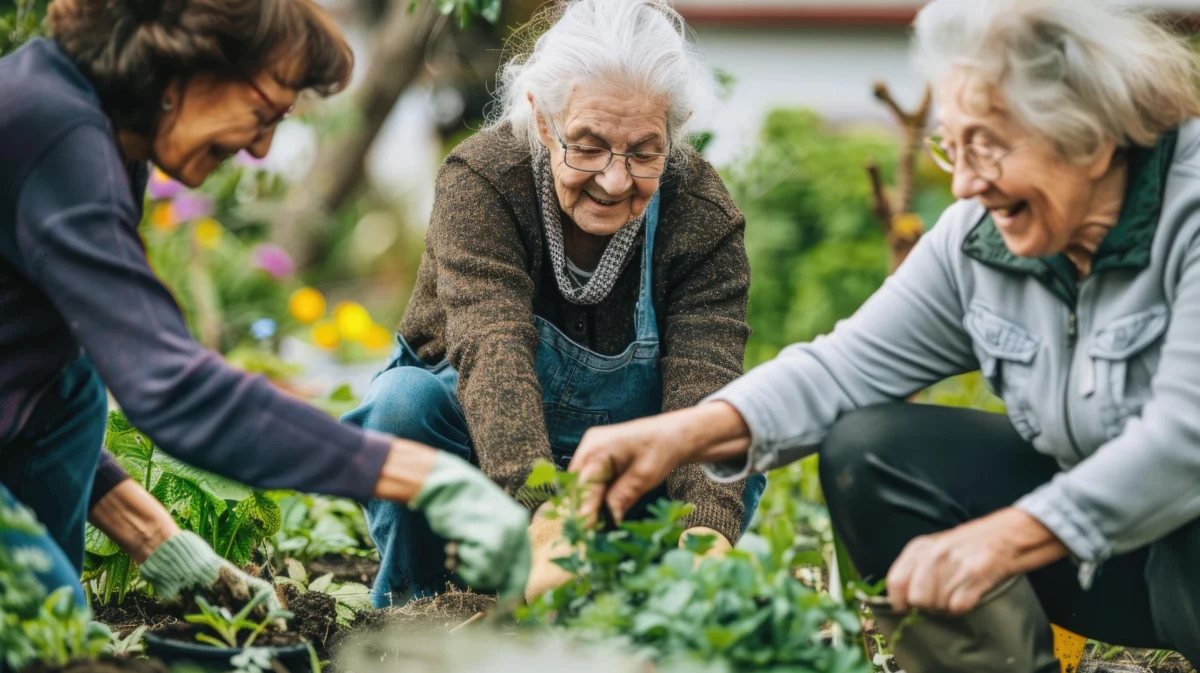
The nostalgia of Earth Day often takes us back to the classroom: the simple joy of planting a lima bean in a paper cup, the rudimentary lessons on photosynthesis, or the communal pride of picking up litter around the schoolyard. For many, these childhood memories represent a formative introduction to environmental stewardship. However, as we age, the benefits of engaging with the natural world do not diminish; rather, they evolve into a sophisticated, science-backed intervention for longevity and psychological health.
In celebration of Earth Day and Occupational Therapy Month, researchers are increasingly pointing to gardening as a potent tool for enhancing the lives of older adults. Beyond the aesthetic appeal of a blooming garden, this practice is proving to be a catalyst for mental clarity, social connectivity, and physical dexterity.
The Therapeutic Power of the Soil: Key Findings
A pivotal study published in the American Journal of Occupational Therapy (AJOT) has shed new light on the transformative potential of horticulture. The research focused on residents in supported living environments, demonstrating that gardening acts as an essential "avenue for hope and self-fulfillment."
The study employed a case series methodology, monitoring four residents at a transitional housing facility over a five-week period. By participating in structured gardening group therapy, these individuals reported significant improvements in their mental health, subjective well-being, and overall life satisfaction. The researchers observed that the act of nurturing a living thing—from seed to harvest—instilled a sense of agency and purpose that is often missing in institutional or sedentary living situations.
A Chronology of Growth: From Theory to Practice
The integration of gardening into clinical and community-based care for older adults did not happen overnight. The evolution of "Horticultural Therapy" (HT) has followed a deliberate path:
- The Early Foundations: For decades, occupational therapists have utilized "meaningful activities of daily living"—known in the field as "occupations"—to help patients regain function after injury or illness. Horticulture was identified early on as a low-impact, high-reward activity.
- The Transitional Phase: As the population of older adults continues to rise, housing facilities began to shift away from purely clinical settings toward environments that prioritize quality of life. The 5-week study cited in the AJOT marks a contemporary effort to quantify these benefits.
- The Modern Integration: Today, gardening is no longer viewed merely as a hobby but as a structured therapeutic intervention. It is now standard practice for many senior living communities to incorporate raised-bed gardens, allowing residents with mobility challenges to participate comfortably.
Supporting Data: Why Nature Heals
The benefits of gardening extend across three primary domains: psychological, physiological, and social.
The Mental Health Nexus
Connecting with nature is a proven stress-reliever. Exposure to green spaces has been shown to lower cortisol levels, the body’s primary stress hormone. For older adults, who may face increased risks of isolation and depression, the "gardening club" dynamic provides essential intellectual stimulation and social interaction. Discussing planting strategies, seasonal weather, and the progress of various crops creates a natural forum for conversation, reducing feelings of loneliness.
Nutritional and Immune Benefits
The "farm-to-table" movement is particularly impactful for seniors. Growing vegetables and herbs allows for a diet rich in fresh, preservative-free produce. Unlike store-bought items, which may lose nutritional value during long-distance shipping, home-grown produce is harvested at its peak. This provides a natural boost to the immune system, helping older adults maintain health through nutrient-dense consumption. Furthermore, the simple act of being outdoors increases exposure to sunlight, which is the primary source of Vitamin D—a critical nutrient for bone health and mood regulation.
Fine Motor Skills and Physical Dexterity
One of the most overlooked aspects of gardening is its role in physical therapy. The tasks involved in gardening—holding a hand trowel, grasping small seeds, maneuvering a watering can, or deadheading flowers—require precise motor control. This "sneaky" exercise helps maintain hand dexterity and wrist strength, which are vital for performing other daily tasks like buttoning shirts or using utensils.
Occupational Therapy: The Professional Perspective
April serves as Occupational Therapy (OT) Month, a time to honor the health professionals who help individuals regain independence. Occupational therapists are uniquely positioned to advocate for gardening as a treatment modality because they view human health through the lens of function.
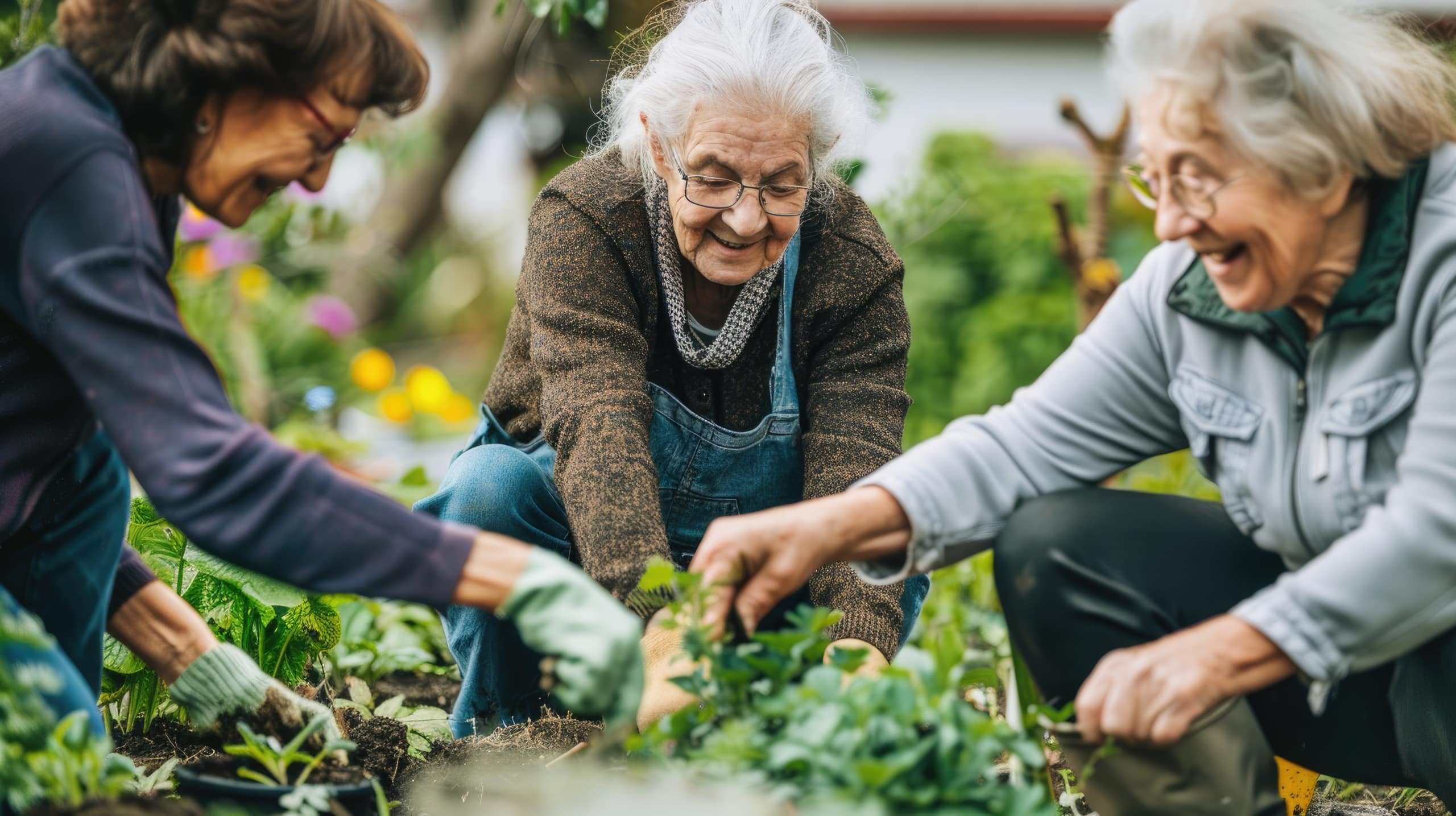
By analyzing the physical requirements of gardening, an OT can adapt the environment to suit the individual. For example:
- Raised Beds: These eliminate the need for bending or kneeling, making gardening accessible to those with back pain or limited mobility.
- Ergonomic Tools: Using tools with larger, padded grips can mitigate the impact of arthritis or decreased grip strength.
- Vertical Gardening: This allows individuals in wheelchairs or those who cannot stand for long periods to engage with their plants at eye level.
These adaptations prove that the "occupation" of gardening can be tailored to meet almost any physical limitation, ensuring that the psychological and physical rewards remain accessible to all.
Implications for Public Health and Aging Policy
The implications of these findings for public health policy are significant. As the global population ages, the burden on the healthcare system to manage chronic, non-communicable diseases and mental health conditions will only grow. Gardening offers a cost-effective, sustainable, and highly scalable intervention.
Community Design
Urban planners and housing developers are increasingly recognizing the value of green space. Designing residential areas for older adults that include accessible, communal gardening plots is no longer a luxury; it is a public health necessity. Such spaces serve as "third places"—social environments separate from the home and the clinical office—where community bonds are forged and maintained.
Preventative Care
By encouraging gardening, we are essentially investing in preventative medicine. The physical activity involved helps stave off frailty, while the social and mental components combat the cognitive decline associated with social withdrawal. If an hour spent in a garden can reduce the frequency of doctor visits for stress-related or sedentary-related ailments, the economic argument for communal gardens becomes unassailable.
Embracing the Season: A Call to Action
As we celebrate Earth Day this April 22, the message is clear: the garden is open to everyone. You do not need a sprawling estate or a background in horticulture to begin. Whether it is a single pot of basil on a windowsill, a small flower box on a balcony, or a dedicated plot in a community garden, the act of tending to life provides a profound sense of purpose.
For those looking to begin, safety is paramount. The National Institute on Aging provides comprehensive resources on safe outdoor recreation, emphasizing the importance of staying hydrated, wearing appropriate sun protection, and pacing oneself during physical tasks.
Getting Started: A Simple Checklist
- Start Small: Do not feel the need to build an entire landscape. Begin with one or two resilient plants, such as mint, succulents, or marigolds.
- Use Ergonomic Aids: Invest in high-quality tools that are designed to be light and easy to grip.
- Prioritize Accessibility: If you have trouble bending, focus on vertical or container gardening.
- Seek Community: Join a local gardening group or a community garden. The social aspect is just as important as the physical work.
- Listen to Your Body: Gardening should be a source of joy, not pain. Take frequent breaks and stay aware of your physical limits.
Conclusion
The lessons we learned as children on Earth Day—that the Earth is a resource that requires our care—have come full circle. Today, we realize that in caring for the Earth, we are simultaneously caring for ourselves. Gardening offers a unique intersection of physical exercise, mental rejuvenation, and social connection that is difficult to replicate through other forms of therapy.
As we move through the spring, let us not just observe the changing seasons, but participate in them. Pull a weed, plant a seed, and breathe in the fresh air. In doing so, we honor not only the planet but the aging process itself, transforming the "golden years" into a time of continued growth, vitality, and meaningful contribution.
Katie Riley, as Vice President of Communications for the Alliance, advocates for initiatives that promote healthy aging and the integration of meaningful, evidence-based practices into the daily lives of older adults.