





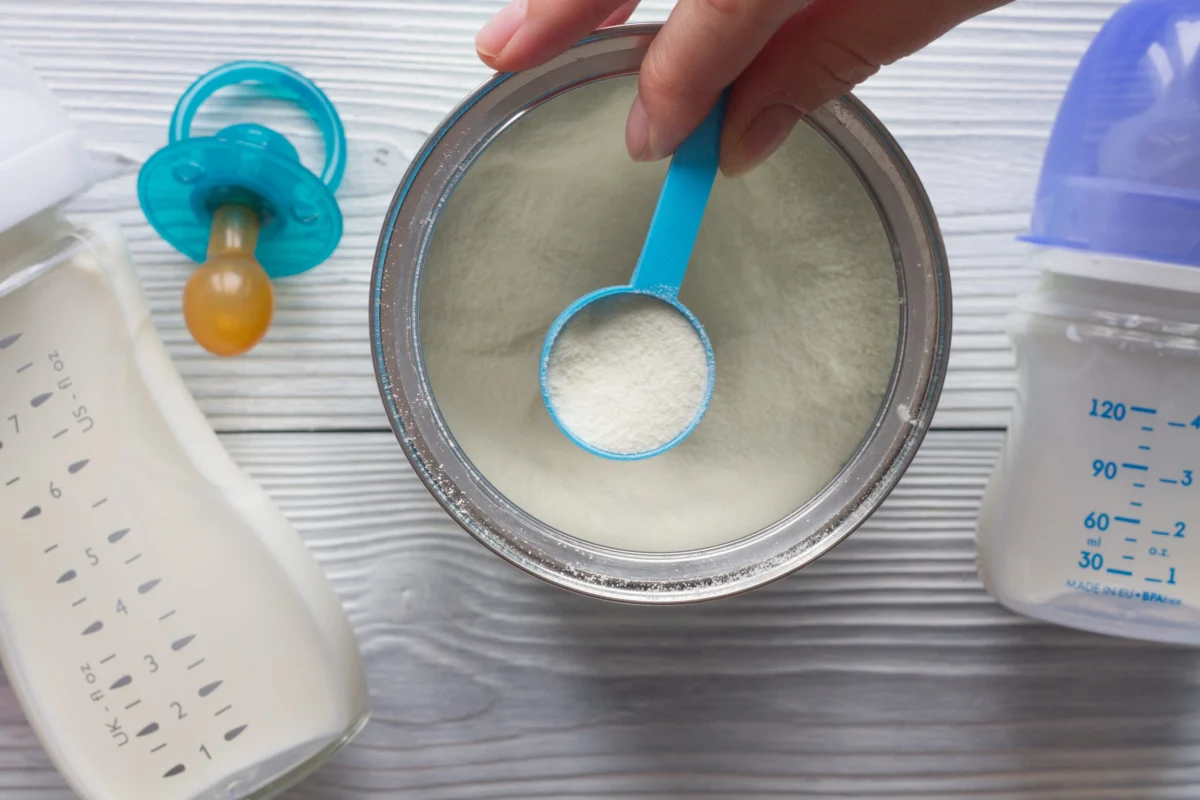
The sight of barren store shelves—once a hallmark of the early COVID-19 pandemic—reemerged with devastating consequences in 2022, targeting the most vulnerable demographic: infants. For families across the United States, the infant formula shortage was more than a supply-chain inconvenience; it was a profound crisis of care. With human milk not always accessible, available in sufficient quantities, or medically suitable for every child, the stability of the commercial formula supply is a matter of public health security.
As the nation reflects on the systemic failures that precipitated this crisis, experts are calling for a fundamental restructuring of how we produce, regulate, and distribute infant nutrition.
The Anatomy of the Crisis: Main Facts
Infant formula is a highly regulated, essential commodity. Unlike other consumer goods, it is often a sole source of nutrition for infants during their most rapid developmental phase. When supply chains fracture, the impact is immediate and visceral.
The primary catalyst for the 2022 shortage was a convergence of "perfect storm" conditions. Pandemic-related labor shortages, transportation bottlenecks, and a massive product recall by a dominant manufacturer created a vacuum in the market. Because the formula market is highly consolidated—with only a few major players controlling the vast majority of production—the loss of even one major facility creates an immediate, nationwide deficit that smaller manufacturers cannot quickly fill.
Furthermore, the "WIC" (Women, Infants, and Children) program, which provides nutrition assistance to low-income families, historically relied on exclusive contracts with single manufacturers. While these contracts reduce costs for the government, they inadvertently limited the agility of families to switch brands when their preferred formula disappeared from shelves.
A Chronology of the Shortage
The seeds of the 2022 crisis were sown long before the shelves went empty.
- Early 2020: The onset of the COVID-19 pandemic disrupted global logistics. Early in the pandemic, panic buying caused temporary spikes in demand, straining production schedules.
- Late 2021: Reports of infant illnesses linked to a facility in Sturgis, Michigan, began to surface.
- February 2022: Abbott Nutrition, the country’s largest formula producer, voluntarily recalled several powdered formulas and shut down its Sturgis plant following reports of Cronobacter sakazakii infections, a rare but dangerous bacteria.
- Spring 2022: As the Sturgis facility remained offline, the market reached a breaking point. Out-of-stock rates for formula hovered above 40% nationwide by May 2022.
- Summer 2022: The federal government invoked the Defense Production Act and initiated "Operation Fly Formula," an emergency airlift program to import millions of cans of formula from international markets to fill the gap.
- Late 2022 – 2023: Production stabilized, but the psychological and economic ripples of the event lingered, prompting a formal reevaluation of federal policy.
Supporting Data: Why Formula is Irreplaceable
The narrative that "breastfeeding is the only solution" ignores the reality of modern life and biological necessity. While the American Academy of Pediatrics and the World Health Organization strongly advocate for breastfeeding, the clinical reality is nuanced:
- Workplace Barriers: For many mothers, returning to the workforce shortly after birth without access to dedicated lactation rooms or flexible pumping schedules makes exclusive breastfeeding unsustainable.
- Medical Necessity: Infants with specific metabolic disorders, such as galactosemia, or those with severe cow-milk protein allergies, require highly specialized, hypoallergenic formulas that are manufactured in strictly controlled environments.
- Biological Limitations: Not all mothers can produce enough milk to sustain an infant’s growth, and for those who have adopted or are navigating complex family structures, formula is not a choice—it is a lifeline.
Data from the American Journal of Clinical Nutrition highlights that roughly 75% of infants receive some form of formula supplementation within their first six months of life, underscoring the product’s status as a critical staple rather than a luxury item.
Official Responses and Regulatory Shifts
The U.S. government’s response to the crisis was characterized by a transition from reactive emergency management to a long-term strategic review.
The Food and Drug Administration (FDA) faced intense scrutiny for its oversight of the Sturgis facility. Critics argued that the agency was too slow to act on whistleblower complaints and subsequent inspection reports. In response, the FDA Commissioner announced a modernization of the Office of Critical Foods, an effort designed to better monitor the supply chain and maintain communication with manufacturers to prevent future bottlenecks.
At the legislative level, Congress moved to waive certain trade restrictions, allowing for the temporary importation of foreign-made formula that met U.S. safety standards but did not previously have formal FDA approval. These moves were intended to diversify the supply base and break the reliance on the "Big Three" manufacturers.
Future Directions: Building a Resilient System
According to the American Journal of Clinical Nutrition, preventing a recurrence of this crisis requires a multi-pronged approach to policy:
1. Diversification of Supply
The industry must move away from extreme consolidation. Encouraging smaller, regional manufacturers to enter the market—and providing them with the regulatory roadmap to do so—can prevent a single factory shutdown from causing a national catastrophe.
2. Modernizing the WIC Program
The current structure of WIC contracts needs reform. Allowing states more flexibility in contract bidding—such as permitting multiple vendors or brands—would allow families to navigate shortages more effectively without losing their benefit eligibility.
3. Strengthening Supply Chain Transparency
The FDA should require manufacturers to report potential supply disruptions much earlier. By treating infant formula as a "critical medicine" rather than a "food product," regulators can gain better oversight into manufacturing health and inventory levels.
4. Investing in Lactation Support
While formula is a vital safety net, strengthening the public health infrastructure for breastfeeding is equally important. This includes paid family leave, workplace protections for pumping, and universal access to professional lactation consultants, which would reduce the total dependency on commercial supply chains for those who choose and are able to breastfeed.
The Human Cost and Lessons Learned
The 2022 infant formula shortage serves as a sobering reminder of the fragility of our essential supply chains. It highlighted that when we treat infant nutrition as a commodity subject to the whims of corporate consolidation and lean, "just-in-time" inventory models, the consequences are paid in the stress and health of our youngest citizens.
As we look toward the future, the goal must be a system that balances safety with flexibility. We need a regulatory environment that promotes competition, ensures rigorous safety standards without being overly burdensome, and supports parents in every scenario—whether they are breastfeeding, formula feeding, or using a combination of both.
The "formula crisis" was not merely a logistical failure; it was a wake-up call regarding the social contract we have with families. Protecting infant nutrition is a prerequisite for a healthy, functioning society. By diversifying our production, reforming our support programs, and placing the needs of infants above the efficiencies of the market, we can ensure that no parent ever has to face the terror of an empty shelf again.
Quick Reference: Best Practices for Families
What to do if you are struggling to find formula:
- Consult your Pediatrician: They often have samples provided by representatives and can point you toward safe, store-brand alternatives that are nutritionally identical to name-brand options.
- Check Smaller Retailers: Sometimes local pharmacies or smaller grocery stores are less affected by mass panic-buying than big-box retailers.
- Use Authorized Sources: If ordering online, stick to reputable retailers. Avoid third-party resellers on social media or auction sites, as these products may be counterfeit, expired, or improperly stored.
What NOT to do:
- Do not dilute formula: Adding extra water to "stretch" your supply is dangerous and can cause severe electrolyte imbalances and malnutrition in infants.
- Do not make homemade formula: Recipes found online are often nutritionally incomplete and can contain ingredients that are toxic to an infant’s developing kidneys and digestive system.
- Do not use cow’s milk or plant-based milks: Before the age of one, infants cannot properly digest the proteins in these liquids, which can lead to iron-deficiency anemia and other life-threatening health issues.