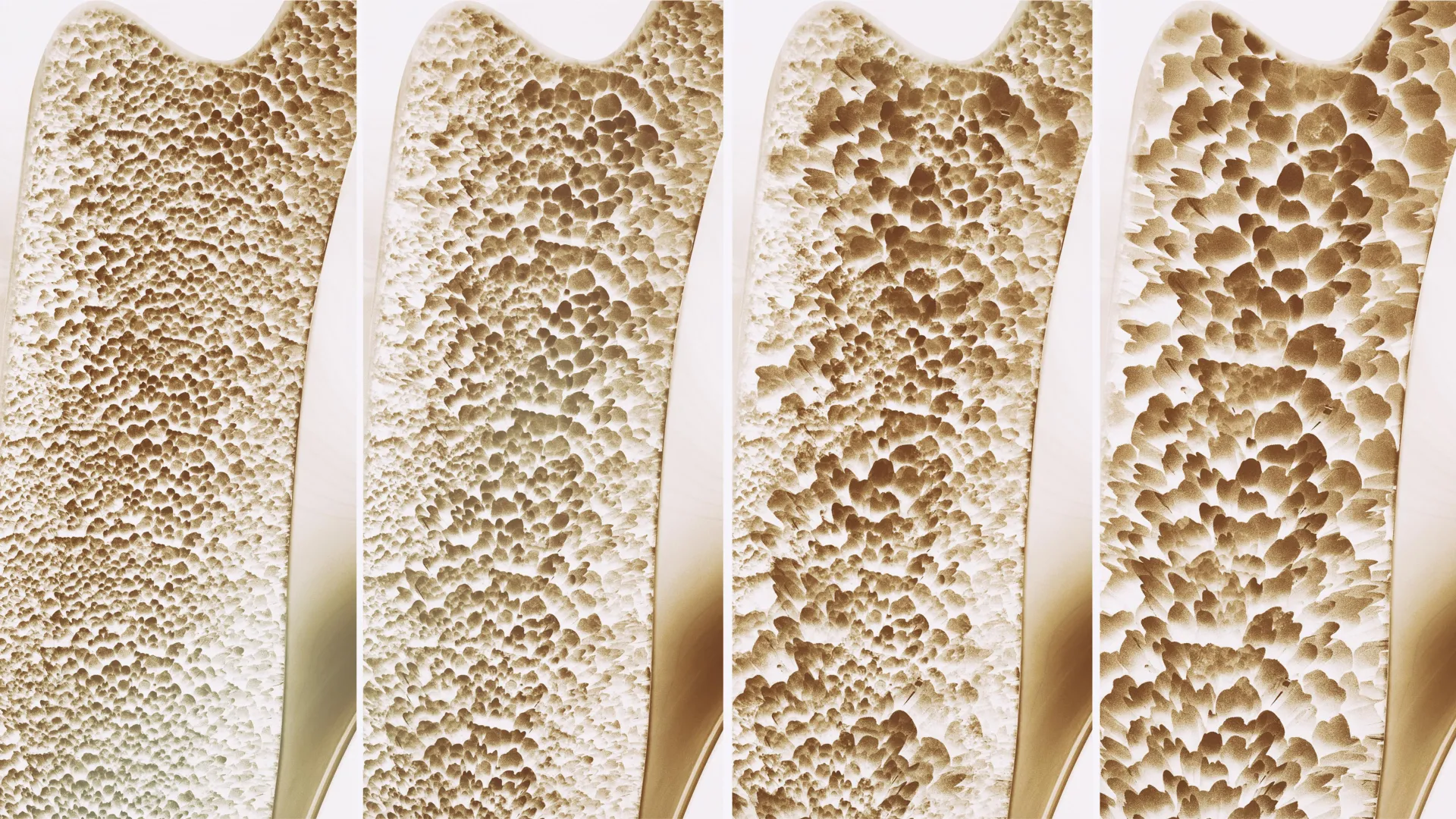
For decades, the standard medical advice for aging adults has been as predictable as it is ubiquitous: take your calcium and vitamin D to keep your bones strong and prevent fractures. It is a mantra echoed by primary care physicians, geriatricians, and public health campaigns across the globe. However, a massive, comprehensive review published in The BMJ has sent shockwaves through the medical community, suggesting that for the vast majority of older adults, these supplements provide little to no clinically meaningful benefit in preventing falls or fractures.
As global populations age, the quest to prevent falls—which affect one in three individuals aged 65 and older annually—has become a top-tier public health priority. With the latest evidence calling into question the foundation of current bone-health guidelines, clinicians and patients alike are now forced to reconsider what truly keeps us mobile and injury-free in our later years.
Main Facts: The End of Routine Supplementation?
The study, led by researchers in Canada, represents one of the most exhaustive efforts to date to synthesize the efficacy of calcium and vitamin D supplementation. By analyzing 69 randomized controlled trials encompassing over 150,000 participants, the investigators sought to determine if the supplements—either alone or in combination—actually achieved the goal of reducing skeletal trauma.
The conclusion was stark: the evidence does not support the routine use of these supplements for the prevention of fractures or falls in community-dwelling older adults. Despite the high prevalence of supplement use, the researchers found that neither calcium, vitamin D, nor their combination resulted in a statistically significant or clinically meaningful reduction in risk.
The study challenges the prevailing "supplement-first" mentality. While calcium and vitamin D are undeniably essential nutrients for bone metabolism, the data suggest that supplementation—dosing pills beyond what is typically achieved through a balanced diet—fails to translate into improved clinical outcomes for the average senior.
Chronology: A History of Questionable Efficacy
To understand why this study is so disruptive, one must look at the timeline of bone health research.
The Rise of the Supplement Era
In the late 20th century, the medical community began to lean heavily on the "calcium-vitamin D axis" as the primary defense against osteoporosis. This was fueled by the understanding that bone mineral density (BMD) naturally declines with age. If calcium and vitamin D were the building blocks of bone, logic dictated that supplementing them would prevent the structural collapse that leads to fractures.
Growing Skepticism
By the early 2000s, cracks began to appear in this narrative. Several high-profile meta-analyses started to yield conflicting results. While some early trials showed a modest benefit, larger and better-designed studies consistently failed to replicate these findings. Some studies even suggested that high-dose calcium might be linked to cardiovascular risks, adding a layer of concern to the conversation.
The Current Evidence Threshold
The recent BMJ analysis serves as a capstone to years of mounting doubt. By establishing strict thresholds for "clinically meaningful benefit," the researchers moved beyond statistical significance (which can be found even in tiny, irrelevant changes) to look at whether these pills actually changed the quality of life for patients. The answer, based on the current body of evidence, is a definitive "no."
Supporting Data: The Breakdown of the Meta-Analysis
The scale of the Canadian study provides a level of certainty rarely seen in nutritional research. By aggregating data from 69 randomized controlled trials, the researchers were able to create a high-powered dataset of 153,902 participants.
Key Data Points:
- Calcium Supplements: Evaluated across 11 trials with 9,067 participants, the evidence (rated as moderate certainty) showed no significant reduction in fracture risk.
- Vitamin D Supplements: Evaluated across 36 trials with 92,045 participants (high certainty), the findings confirmed that vitamin D alone failed to prevent falls or fractures.
- Combined Supplementation: Perhaps the most surprising result, as many clinicians advocate for the "cocktail" approach. Across 15 trials with 51,126 participants (high certainty), there was no evidence that combining the two nutrients provided a benefit over placebo.
The researchers accounted for a wide range of variables, including sex, age, baseline calcium intake, and history of previous falls. Even when these factors were isolated, the results remained consistent: the supplements did not move the needle.
It is important to note the study’s scope: the authors explicitly state that their findings might not apply to individuals with specific bone disorders, such as those diagnosed with severe osteoporosis or those currently undergoing intensive pharmaceutical treatment for bone density. For the general population of older adults, however, the "one-size-fits-all" recommendation appears to be scientifically unsupported.
Official Responses and Clinical Implications
The publication of these findings has prompted a flurry of debate among health regulatory bodies and professional medical organizations.
A Call for Re-evaluation
The authors of the study have issued a direct challenge to the medical establishment, stating that regulatory agencies and guideline panels "should re-evaluate their general recommendations" regarding routine supplementation. The current practice of prescribing these supplements as a default for patients over 65 is, according to the data, an inefficient use of healthcare resources and a potential distraction from more effective interventions.
The Clinician’s Dilemma
For the average primary care physician, this creates a difficult situation. Patients often come to appointments expecting a "magic pill" to solve their health concerns. Telling a patient that a supplement they have taken for a decade is likely doing nothing requires a delicate conversation. The medical community is now tasked with shifting the narrative from "take this pill" to "let’s look at your lifestyle."
Beyond Supplements: Proven Strategies for Fall Prevention
If calcium and vitamin D are not the panacea we once thought they were, what actually works? The editorial accompanying the BMJ study emphasizes that while the "pill-popping" approach has failed, the battle against falls is far from lost. Instead, experts suggest a paradigm shift toward evidence-based physical interventions.
1. Resistance and Strength Training
The most significant predictor of a fall in an older adult is often muscle weakness, particularly in the lower extremities. Resistance training—using weights, resistance bands, or bodyweight exercises—has been shown to maintain muscle mass and bone loading, which are far more effective at preventing falls than chemical supplementation.
2. Balance and Gait Training
Exercises such as Tai Chi or specific balance-training programs improve proprioception and reaction time. These interventions directly address the mechanics of falling, helping seniors recover their footing when they trip, rather than simply hoping their bones are dense enough to survive an impact.
3. Multifactorial Risk Assessment
The most successful programs are those that are highly personalized. This includes:
- Home Hazard Assessment: Removing trip hazards like loose rugs, improving lighting, and installing grab bars.
- Medication Review: Many seniors take medications that cause dizziness or sedation; identifying and adjusting these "fall-inducing" drugs is often more effective than any supplement.
- Vision and Hearing Screenings: Maintaining sensory acuity is vital for spatial awareness.
4. The Need for Future Research
The editorial authors acknowledge that while the current evidence is robust, there is still a need for more "well-powered" trials that specifically target high-risk groups. We need to know who, if anyone, actually benefits from supplementation. Are there specific genotypes or dietary profiles where these nutrients do help? Until such nuance is uncovered, the scientific consensus is shifting away from broad, population-wide supplementation.
Conclusion: A New Era of Preventive Care
The findings published in The BMJ serve as a humbling reminder of the limitations of modern nutritional science. For years, the supplement industry and clinical guidelines have promoted calcium and vitamin D as the cornerstone of geriatric bone health. The data, however, tells a different story—one of modest expectations and the need for more active, physical approaches to aging.
As we move forward, the goal for public health must be to pivot away from the "easy fix" of supplementation and toward the harder, but more rewarding, path of functional health. By focusing on exercise, balance, and personalized risk management, we can help the aging population maintain their independence, mobility, and quality of life—not through a bottle of pills, but through evidence-based, active living.
The message is clear: if you are an older adult concerned about your bone health, talk to your doctor about your specific risk profile. It may be time to stop relying on supplements and start focusing on the movements that truly keep you standing.