As we move further away from the initial shock of the global pandemic, the landscape of daily living has undergone a permanent shift. The year 2021 served as a transitional bridge, a period where the world attempted to reconcile pre-pandemic routines with the habits forged in the crucible of lockdowns. Now, as we look toward the future, the challenge lies not in returning to the past, but in curating a lifestyle that prioritizes longevity, mental well-being, and nutritional integrity.
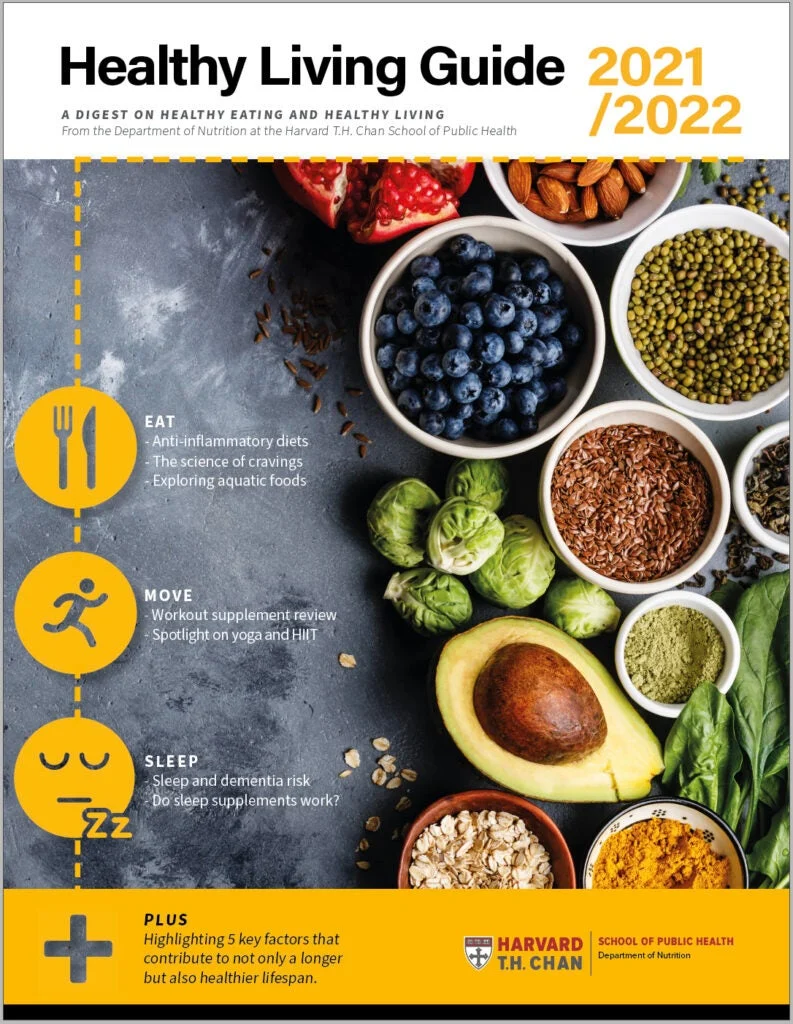
To assist in this endeavor, the Harvard T.H. Chan School of Public Health has released its latest Healthy Living Guide. This resource serves as a vital compass for those navigating the complexities of modern health, offering a blend of rigorous scientific research and actionable, everyday advice.
The Evolution of Consumer Habits: A Statistical Snapshot
The path to health is rarely linear, and the data from the past two years illustrates a fascinating volatility in human behavior. According to the 2021 Food and Health Survey, the "abrupt changes" witnessed during the peak of the 2020 lockdowns began to normalize, albeit with some concerning trade-offs.
Key Behavioral Trends (2020 vs. 2021)
- Snacking Patterns: In 2020, 32% of Americans reported an increase in snacking. By 2021, that figure dropped significantly to 18%, suggesting a move away from stress-induced grazing toward more structured eating patterns.
- Total Food Consumption: The report of "eating more in general" fell from 20% in 2020 to 11% in 2021.
- The Home-Cooking Shift: Perhaps most notably, the trend of home cooking—which saw a massive surge during the height of the pandemic—witnessed a decline. While 60% of consumers reported cooking at home more in 2020, that number retreated to 47% in 2021.
While these statistics indicate a return to "normalcy," they also highlight a hidden danger: the potential abandonment of the healthy culinary habits developed when time was more abundant. As society returns to the fast-paced nature of pre-pandemic life, the convenience of processed foods often competes with the nutritional value of home-cooked meals.
A Chronology of Change: From Lockdown to Long-Term Strategy
Understanding where we are requires a look back at the timeline of the past few years.
- Early 2020: The onset of global lockdowns triggered a sudden, forced shift in lifestyle. Home cooking spiked as restaurants closed, and physical activity became a localized endeavor.
- Mid-2020 to Early 2021: A period of "pandemic fatigue" set in. The data shows a rise in comfort eating and sedentary behavior as the psychological toll of isolation manifested in physical habits.
- 2021: The year of transition. As vaccines rolled out and some activities resumed, the population began to recalibrate. The data suggests a stabilization of habits, but also a growing disparity in health outcomes.
- 2022 and Beyond: The focus now shifts toward sustainability. Health is no longer viewed as a temporary response to a crisis, but as a long-term, proactive strategy against chronic disease.
Supporting Data: The Disparity in Food Security
It is impossible to discuss healthy living without addressing the systemic inequities that the pandemic laid bare. While the "new normal" for some meant experimenting with sourdough starters or home workouts, for others, it meant a deepening crisis of food security.
The pandemic acted as a stress test for our food systems. Research highlights that marginalized communities and lower-income families faced significantly higher hurdles in accessing fresh, nutritious food. This is not merely a matter of personal choice; it is a matter of public policy and economic justice. The Healthy Living Guide emphasizes that a "healthy life" is an aspirational goal that must be supported by equitable access to resources, including affordable, nutrient-dense produce and safe spaces for physical activity.
Official Responses and Public Health Perspectives
Public health experts are unified in their message: the pandemic is not a static event, but an ongoing challenge. The emergence of new variants serves as a sobering reminder that the global community is intrinsically linked.
"The urgency for increased vaccination, particularly in low- and lower-middle-income countries, remains the primary objective for global health stability," note the authors of the Harvard guide. From a biological standpoint, the pandemic has demonstrated that individual health cannot be decoupled from community health.
When it comes to nutrition, the official response is a move toward "holistic wellness." Rather than focusing on restrictive diets, the current medical consensus favors:
- Sustainable Nutrition: Diets that are both healthy for the individual and sustainable for the planet.
- Activity Integration: Finding movement that is enjoyable, rather than viewing exercise as a clinical chore.
- Sleep Hygiene: Acknowledging sleep as a cornerstone of metabolic and mental health, often overlooked in the rush of daily life.
The Implications: Why Healthy Living Matters Now More Than Ever
The implications of these trends are profound. We are currently living in a period where the habits we establish today will dictate our health outcomes for the next decade.
The Triple Pillar Approach
The Harvard guide focuses on three core pillars that are essential for navigating the current environment:
- Eating Well: This does not mean following a fad. It means returning to the basics—whole grains, healthy proteins, and an abundance of vegetables. It means being mindful of the "snacking creep" that often happens when we are distracted by work or digital screens.
- Being Active: The pandemic taught us that exercise doesn’t require a gym membership. Whether it is walking, bodyweight training, or recreational sports, the goal is to break the sedentary cycles that were exacerbated by remote work.
- Restorative Sleep: Sleep is the engine of the immune system. With the ongoing stress of the pandemic, many individuals have suffered from disrupted sleep patterns. The guide offers techniques to improve sleep hygiene, which is critical for emotional regulation and cognitive function.
Testing Your Knowledge: The Path to Mastery
A key feature of the Healthy Living initiative is its emphasis on health literacy. The researchers behind the guide believe that when people understand the "why" behind health advice, they are more likely to implement it.
By revisiting the themes of previous years, the guide encourages readers to test their knowledge. For instance, are you aware of how sugar consumption impacts your long-term cardiovascular health? Do you understand the difference between healthy fats and trans fats? The guide serves as a repository of this information, acting as a "health manual" that you can return to time and again.
Conclusion: Crafting a Fulfilling Future
As we navigate the twists and turns of the post-pandemic era, the most important tool at our disposal is our own agency. The Healthy Living Guide is not a rigid set of laws, but a menu of possibilities.
Whether you are looking to refine your diet, increase your physical output, or simply find a way to manage stress, the resources provided by the Harvard T.H. Chan School of Public Health are designed to meet you where you are. We encourage you to download the printable tip sheets, share them with your family, and engage with the scientific literature.
The pandemic may have changed the world, but it has also provided us with a unique opportunity to hit the "reset" button on our health. By choosing to prioritize science-backed habits, we aren’t just surviving the new normal—we are building the foundation for a more vibrant, healthy, and fulfilling future.
Resources for Further Exploration:
- Download the printable Healthy Living Guide (PDF): Access here
- Access the full 2020-2021 archive: Visit the archive
- Stay informed on nutrition research: Follow the Harvard Nutrition Source for ongoing updates and evidence-based nutrition science.