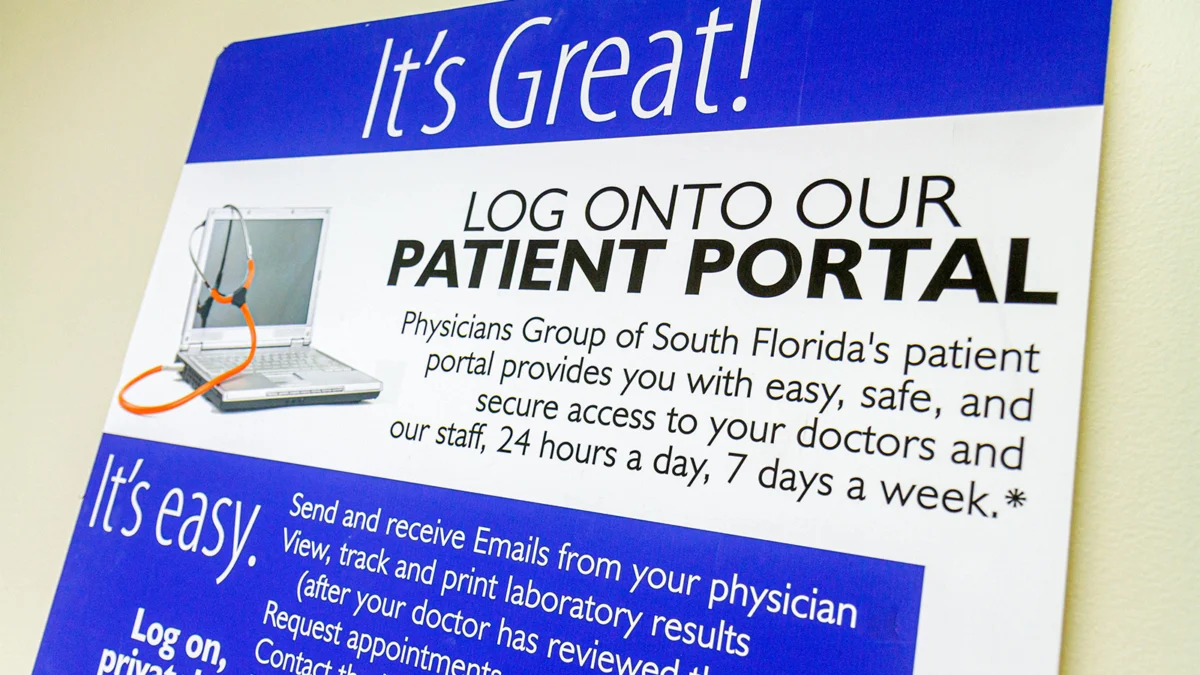
The landscape of clinical communication has undergone a seismic shift in the last half-decade. What began as a tool for administrative convenience has evolved into a central pillar of the patient-physician relationship. According to a landmark cross-sectional analysis recently published in JAMA, the volume of patient-authored portal messages has surged by more than 150% between 2020 and 2025. This explosion in digital communication is not merely a statistical anomaly; it represents a fundamental, structural transformation in how care is delivered, billed, and experienced in the United States.
The Magnitude of the Digital Tide: Main Facts
The study, led by Michal Mankowski, PhD, of the New York University Grossman School of Medicine, provides the first national-level assessment of the "messaging boom." Utilizing data from Epic Cosmos—a massive repository encompassing 2,067 hospitals and over 47,100 clinics—researchers examined a staggering dataset involving 1.77 billion office visits and 1.34 billion patient-authored messages.
The primary finding is clear: the rate of patient-authored messages rose from 0.99 per patient per year in 2020 to 2.5 per patient per year by 2025. This growth signals that patients are increasingly comfortable bypassing traditional telephone lines and waiting rooms in favor of asynchronous, digital communication. While proponents argue that this increases access to care, critics and clinicians are sounding the alarm regarding the unsustainable workload it places on healthcare providers.
A Chronological Perspective: From Pandemic Necessity to Daily Routine
To understand the current surge, one must look at the timeline of the last five years, a period defined by extreme volatility in clinical interaction.
- 2020 (The Inflection Point): At the onset of the COVID-19 pandemic, healthcare systems rapidly expanded the use of patient portals to maintain contact while physical doors were closed. Telehealth visits spiked, and the digital portal became a lifeline for patients navigating uncertainty.
- 2021–2023 (The Habituation Phase): As the world emerged from lockdown, the digital habits formed during the pandemic persisted. Patients discovered the convenience of sending a message rather than calling an office or booking an appointment for minor concerns.
- 2024–2025 (The Structural Reality): The data shows that the shift is now deeply embedded. Messaging intensity—the number of messages sent by active users—has climbed from 2.2 to 5.4 messages per year among those who engage with the portal. Approximately 30% of the 139 million patients studied are now regular "message senders," cementing the portal as a primary modality of care.
Interestingly, while portal messages rose, traditional telephone encounters saw only a modest decline, dropping from 2.33 to 2.20 per patient per year—a mere 6% decrease. This suggests that digital messaging is not replacing older modes of communication as much as it is layering on top of them, effectively increasing the total volume of work.
Supporting Data: Assessing the Healthcare Ecosystem
The study paints a complex picture of how patients utilize different modes of care. While office visits actually saw a 17% increase during this period—climbing from 2.37 to 2.77 visits per patient—the rise in messages suggests that the portal is serving as an intermediary tool rather than a replacement for physical care.
"Although our study doesn’t establish causality, we think portal messaging is a new modality, and it doesn’t replace the office visit," Mankowski noted. "Maybe messages are slightly replacing phone calls, but it’s still early to assess that."
Telehealth, which saw a meteoric rise during the peak of the pandemic, has largely stabilized or receded, accounting for only 0.19 visits per patient per year by 2025. This suggests that the current patient preference leans heavily toward the flexibility of "text-like" messaging rather than the time-bound structure of a video consultation.
Expert Perspectives: The Editorial Consensus
In an accompanying editorial in JAMA, Melanie Molina, MD, MAS, and Joseph Ross, MD, MHS, characterized this trend as a "structural change in care delivery." They argue that the industry has reached a tipping point where the "operational implications are immediate."
The editorial warns that the current model is unsustainable. Without systemic intervention, healthcare organizations risk pushing clinicians toward burnout by shifting what is essentially "uncompensated, after-hours work" onto their shoulders. The authors suggest that if health systems fail to integrate asynchronous care into the formal workflow, they will either see an exodus of providers or a dangerous increase in unanswered patient inquiries.
Implications for Clinical Practice and Physician Well-being
For practitioners like Robert Doolan, MD, of the University of Colorado Anschutz, these findings are a validation of what has been felt on the front lines for years. "These results don’t surprise me," Doolan said. "They just validate all the smaller studies and it really shows the scale of the issue."
Doolan’s research has consistently identified inbox messaging as a primary driver of physician burnout. However, his work also offers a blueprint for adaptation. By "right-sizing" the schedule—specifically blocking out protected time for clinicians to address messages—practices have seen an uptick in overall productivity. When physicians are not mentally fragmented by trying to answer messages between patient exams, they tend to be more efficient during those exams.
The Multi-Pronged Solution: Triage and AI
While scheduling blocks are a necessary start, experts suggest they are not a silver bullet. Yanjun Gao, PhD, another researcher at the University of Colorado Anschutz, emphasizes that the solution must be multifaceted:
- Inbox Triage: Moving away from the "physician-only" model, where nurses or administrative staff categorize and resolve non-clinical messages before they reach the physician’s desk.
- Artificial Intelligence: Utilizing AI-driven drafting tools to suggest responses, which the physician can then review and authorize. This reduces the cognitive load of drafting messages from scratch.
- Reimbursement Models: As Gao notes, "Scheduling time is a reasonable step, but it works best alongside clearer routing… and reimbursement, so the time is funded rather than donated."
The fundamental problem is that the current billing system is built around the "encounter," whereas digital messaging is "asynchronous care." Until payers and insurers fully recognize and reimburse for the time spent on digital portal communication, the burden will continue to fall heavily on the individual clinician.
Conclusion: Designing the Future of Care
The surge in patient portal messaging is a double-edged sword. It offers unparalleled convenience for the patient and a more continuous link between the home and the clinic. However, it also threatens the traditional boundaries of the medical workday.
The data provided by Mankowski and his colleagues serves as a clarion call for healthcare administrators. The era of treating digital messages as an "add-on" task is over. To ensure the long-term viability of the clinical workforce, health systems must transition to a model that formalizes inbox management—integrating it into staffing models, protecting it with dedicated time, and supporting it with better technology and fair compensation.
As the medical field continues to modernize, the goal must be to harness the efficiency of digital communication without sacrificing the well-being of those tasked with the healing mission. The "messaging boom" is here to stay; how the healthcare system adapts to it will define the quality and sustainability of care for the next decade.