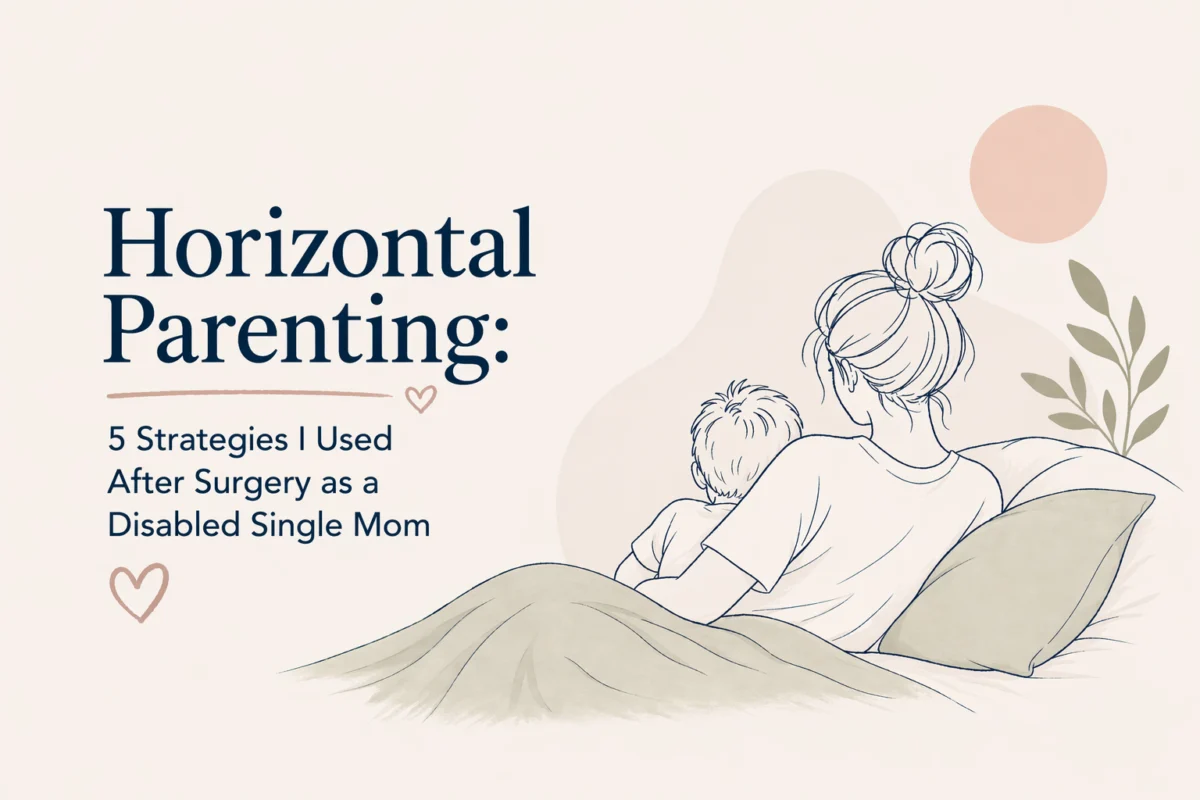
In the landscape of modern motherhood, the archetype of the “supermom” is often defined by agility, constant movement, and the ability to juggle endless domestic demands. For Katie Zinno, a patient advocate and mother living with Ehlers-Danlos Syndrome (EDS), Postural Orthostatic Tachycardia Syndrome (POTS), Mast Cell Activation Syndrome (MCAS), and Sjögren’s, this traditional paradigm was not only unattainable—it was a setup for failure.
After enduring more than 40 surgeries, including complex spinal fusions and brain surgery, all while raising a child as a single parent, Zinno has pioneered a practice she calls “horizontal parenting.” Her journey, which began under the harrowing circumstances of a premature birth during the onset of the COVID-19 pandemic, offers a radical, necessary blueprint for caregivers who must navigate the intersection of chronic illness and the demands of early childhood.
A Chronology of Resilience: From NICU to Operating Table
The narrative of Zinno’s parenting journey is marked by a rapid succession of medical crises. Her son was born 11 weeks premature, necessitating a 63-day stay in the Neonatal Intensive Care Unit (NICU). The family returned home just as the global pandemic lockdown was initiated in early 2020.
Barely eight months later, while still processing the trauma of a high-risk birth—which included her own battles with blood clots and emergency kidney stone surgery—Zinno faced an Occipitocervical fusion. This major orthopedic procedure required her to spend the subsequent recovery period in a rigid neck brace.
“There is no manual for recovering from this kind of major surgery with a small baby during a global lockdown,” Zinno notes. Faced with the reality of being physically tethered to a bed or sofa, she was forced to innovate. The result was not just a survival tactic, but a fundamental shift in how she defined her role as a parent: moving from a model of performance to one of presence.
The Core Philosophy: Presence Over Perfection
At the heart of Zinno’s approach is the concept of radical acceptance. The pressure to maintain a pristine home or adhere to conventional parenting milestones often exacerbates the guilt felt by disabled parents.
Zinno recalls a pivotal interaction with a lactation consultant during her initial recovery. Struggling with the inability to breastfeed due to her medical condition and the physical toll of her surgeries, she was consumed by feelings of inadequacy. The consultant’s advice—that her son would not remember the mode of feeding, but would remember her presence—became the cornerstone of her parenting philosophy.
This realization allows for the shedding of “non-essential” labor. If the choice is between a clean kitchen and an hour of quality engagement with a child, the horizontal parent chooses the latter. This shift in priority is essential for preserving the limited energy reserves required for those living with systemic, chronic conditions.
Engineering the Environment: Redesigning for Accessibility
Horizontal parenting requires more than a mindset shift; it demands a tactical restructuring of the physical home environment. For those with EDS and POTS, vertical tasks—standing, bending, lifting, and carrying—are physically costly and often dangerous.
Zinno’s strategy involves “engineering the environment” to support caretaking from a supine or seated position. This includes:
- Tactical Accessibility: Placing changing stations, toys, and feeding supplies within reach of a bed or sofa.
- Low-Stress Nutrition: Utilizing pre-prepared or low-effort meal systems to ensure that nutritional needs are met without requiring hours of standing in the kitchen.
- Adaptive Equipment: Utilizing tools that allow for interaction and play without the need for constant physical lifting, effectively bringing the child into the parent’s world rather than forcing the parent to inhabit a world designed for able-bodied agility.
Designing for Autonomy in the Medically Complex Household
As children grow, the horizontal parenting model evolves into a partnership of mutual support. For a child with neurodivergent needs, such as an autistic child in a medically complex home, fostering independence is not merely a developmental goal; it is a vital survival skill.
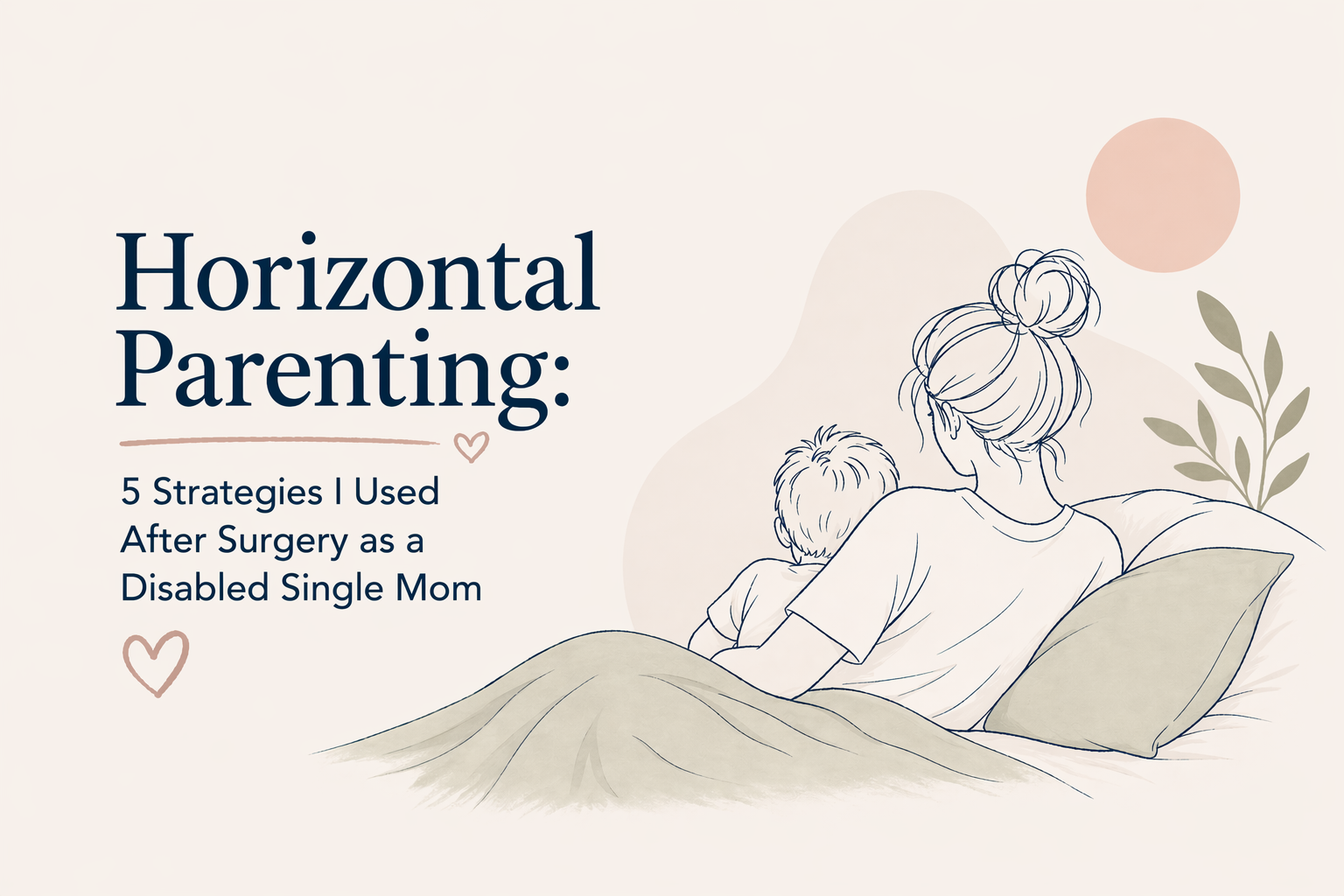
Zinno emphasizes the importance of creating a space that empowers the child to manage their own needs safely. By setting up the home to be inherently accessible, the child gains agency. This reduces the physical burden on the parent and builds the child’s confidence and executive functioning skills. This “autonomy-first” design helps to bridge the gap during the parent’s recovery periods, ensuring that the household functions even when the parent’s physical capacity is at a nadir.
Navigating the Emotional Landscape: Honest Communication
Perhaps the most challenging aspect of being a disabled parent is the emotional fallout of medical absences. For Zinno, the periods spent in the hospital were the most taxing.
“I spent many, many nights crying in the hospital and feeling frustrated with myself for not improving more quickly,” she shares. Children often internalize a parent’s physical struggle, sometimes fearing for the parent’s life or incorrectly assuming their own actions caused the parent’s pain.
Zinno advocates for age-appropriate, radical honesty. By explaining illness in terms the child can understand, the parent removes the mystery and fear associated with the unknown. Furthermore, she highlights the importance of emotional regulation. When a child experiences outbursts—often a response to the uncertainty of the parent’s health—the parent must pause and regulate their own nervous system before responding. This creates a "safe harbor" in the home, where emotions can be expressed without the parent needing to "fix" everything instantly.
Building the Village: A Necessity, Not a Luxury
The pandemic exposed the fragility of social support systems, particularly for disabled single mothers. For many, the "village" that once provided childcare or emotional support evaporated overnight.
Zinno argues that building a support network must be an intentional, ongoing project—not one that begins only when the parent is already in crisis. This includes:
- Leveraging Community: Reaching out to neighbors, friends, and local parent groups to establish a safety net.
- Vulnerability as Strength: Acknowledging that asking for help is a sign of effective management, not weakness.
- The Power of Connection: People are often more willing to help than the chronically ill parent expects; however, the burden of initiating that connection falls on the parent, which requires overcoming significant social and physical fatigue.
Implications for the Future of Caregiving
The experiences shared by Katie Zinno serve as a vital contribution to the discourse on disability and parenting. There is no “perfect” way to navigate the challenges of raising a child while managing a chronic illness. The systemic failure to provide resources for disabled parents often leaves individuals feeling that their struggles are a personal deficiency rather than a societal oversight.
The shift toward “horizontal parenting” is a reclaimable act of agency. It proves that the metrics of “good parenting” are not found in spotless homes or the ability to chase a child across a park. They are found in the intentionality of connection, the honesty of communication, and the resilience of a parent who shows up, even from the floor.
As the medical community and society at large continue to grapple with the needs of disabled families, Zinno’s testimony remains clear: the goal is presence, not performance. In the end, the child will remember the caregiver who stayed, who engaged, and who loved them—regardless of the physical position from which that care was provided.
Disclaimer: This article reflects the personal experiences of the author and is intended for informational and supportive purposes only. It is not medical, parenting, or professional advice, nor does it endorse any specific products. Caregivers should always use appropriate supervision and ensure safety when applying any strategies described. Readers should consult their healthcare providers before making decisions related to their health, treatment, or caregiving practices.