As Ehlers-Danlos Syndrome (EDS) Awareness Month draws to a close, the focus shifts from clinical definitions to the human experience. While medical textbooks describe EDS and Hypermobility Spectrum Disorder (HSD) through a lens of connective tissue pathology, these definitions often fail to capture the profound, daily, and systemic impact these conditions have on those who live with them.
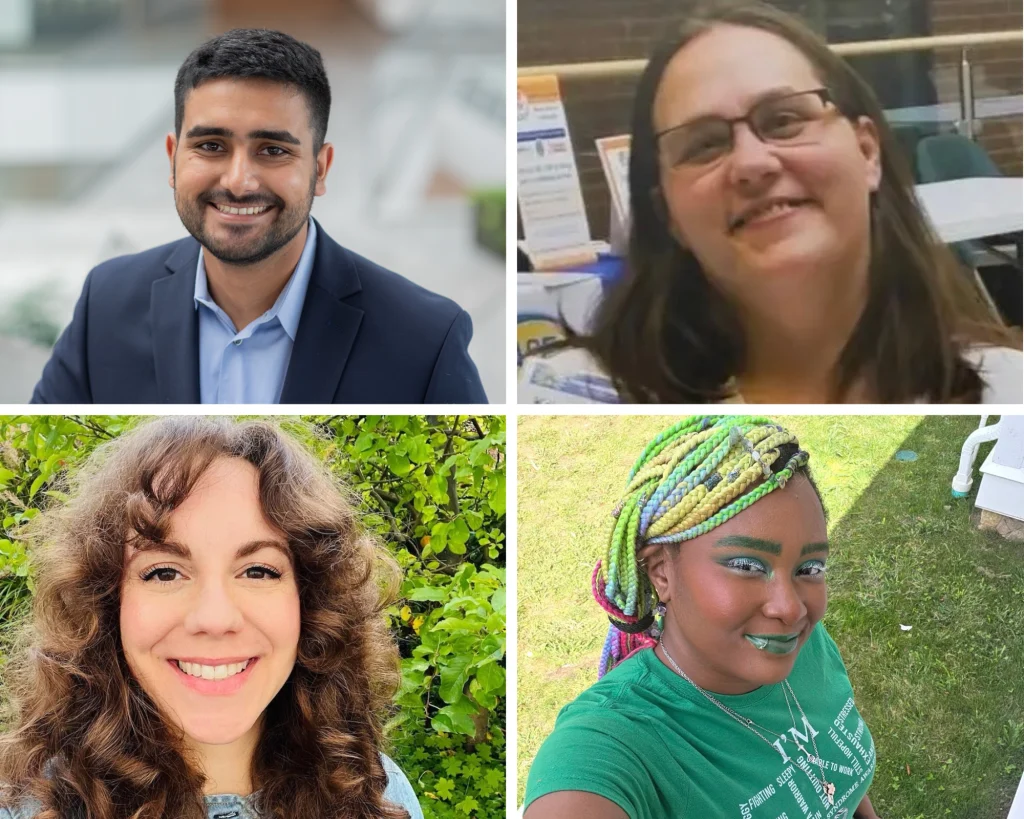
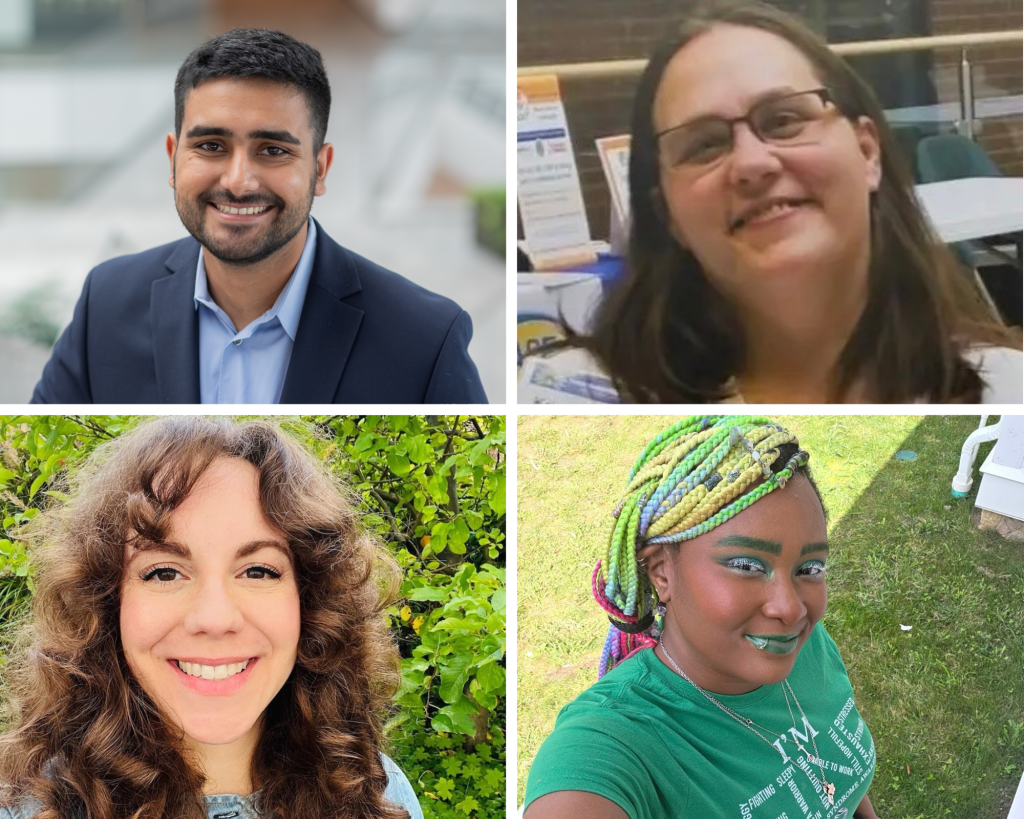
To bridge this gap, we are highlighting the lived experiences of four individuals who navigate the complexities of EDS/HSD. By examining their journeys, we aim to dismantle the persistent myths that continue to shroud these conditions in misunderstanding, while providing a candid look at the immense labor required to manage chronic, multisystemic illness.
The Myth of the "Typical" Patient: Breaking Down Preconceptions
The medical community and the public alike have long held onto outdated stereotypes regarding who develops EDS and how the condition manifests. For too long, EDS has been viewed as a condition that only affects specific demographics or presents in a "one-size-fits-all" manner. The reality is far more nuanced, spanning genders, backgrounds, and varying degrees of physical visibility.
Myth: "Men Can’t Have EDS"
Case Study: Jeevan Mann
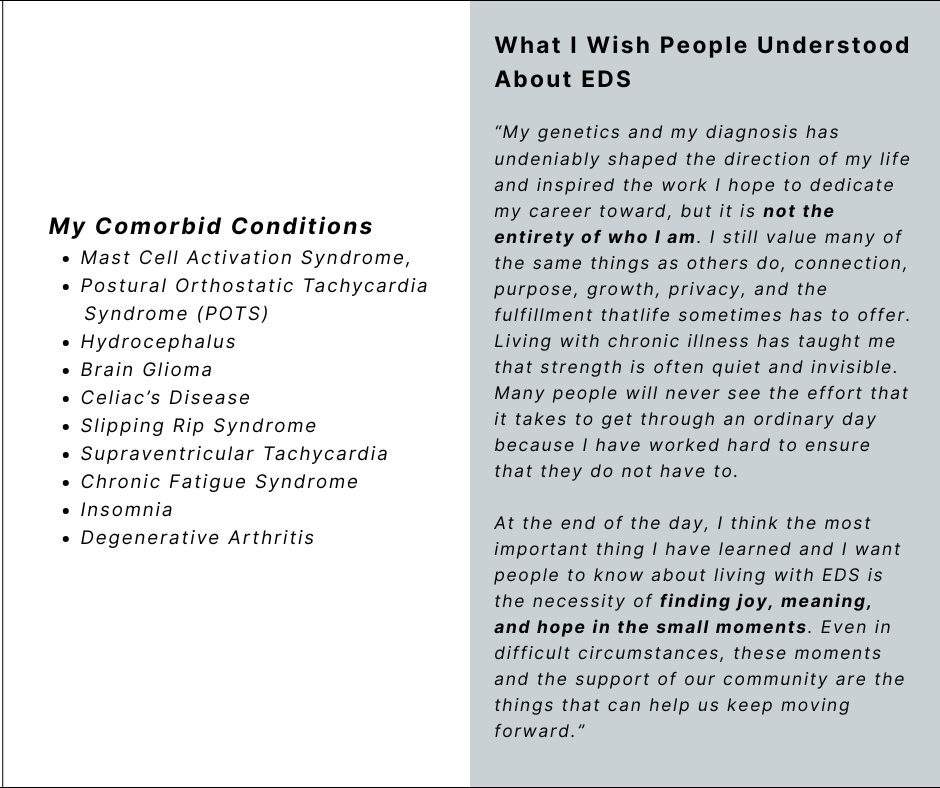
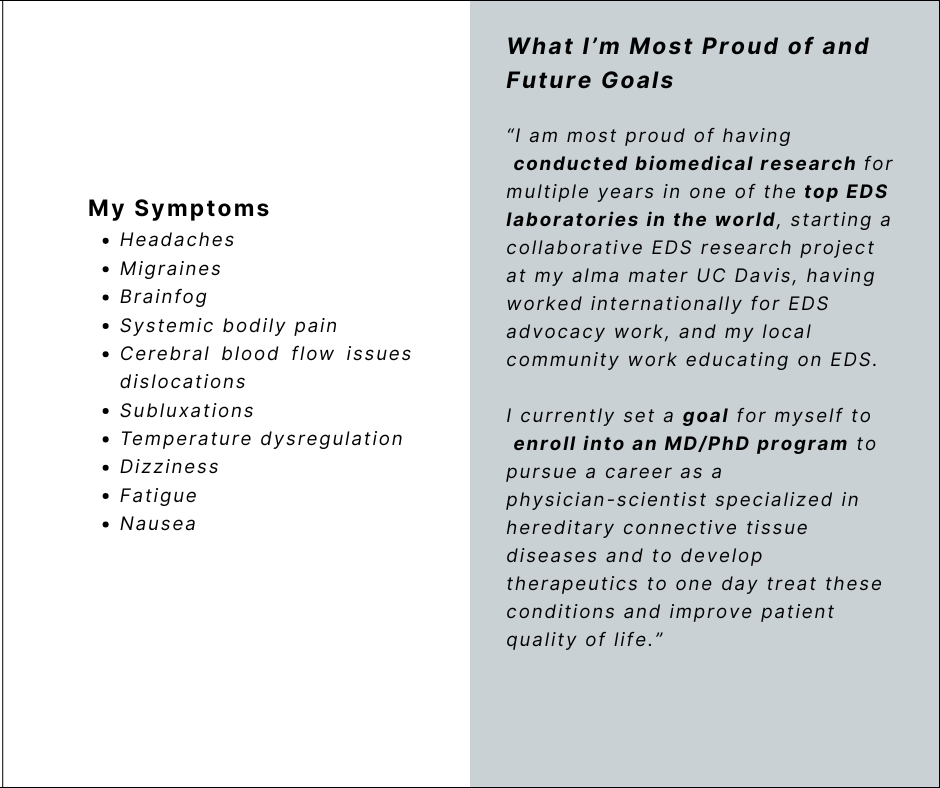
A common misconception is that EDS is a condition exclusive to women. Jeevan Mann, a biomedical researcher and dedicated advocate, serves as a powerful testament to the contrary. Living with Classical-Like Ehlers-Danlos Syndrome Type 2, Mann’s journey to diagnosis spanned 19 years, with symptoms appearing as early as age five.
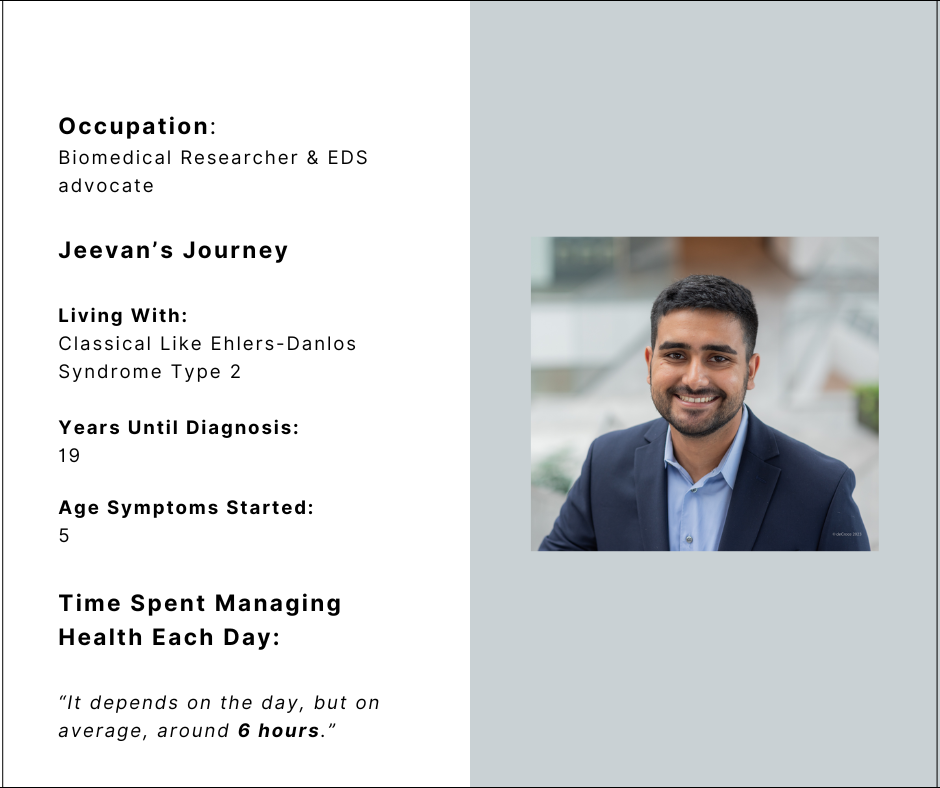
"My genetics and my diagnosis have undeniably shaped the direction of my life," Mann notes. For him, the struggle is not just physiological but existential. He emphasizes that strength is often "quiet and invisible," hidden behind the effort required to navigate an ordinary day. Mann’s commitment to his career as a physician-scientist—with the goal of developing future therapeutics—highlights that while the diagnosis is a part of his life, it is not the totality of his identity.
Myth: "EDS Doesn’t Affect People from All Backgrounds"
Case Study: Kaleena Deshawn
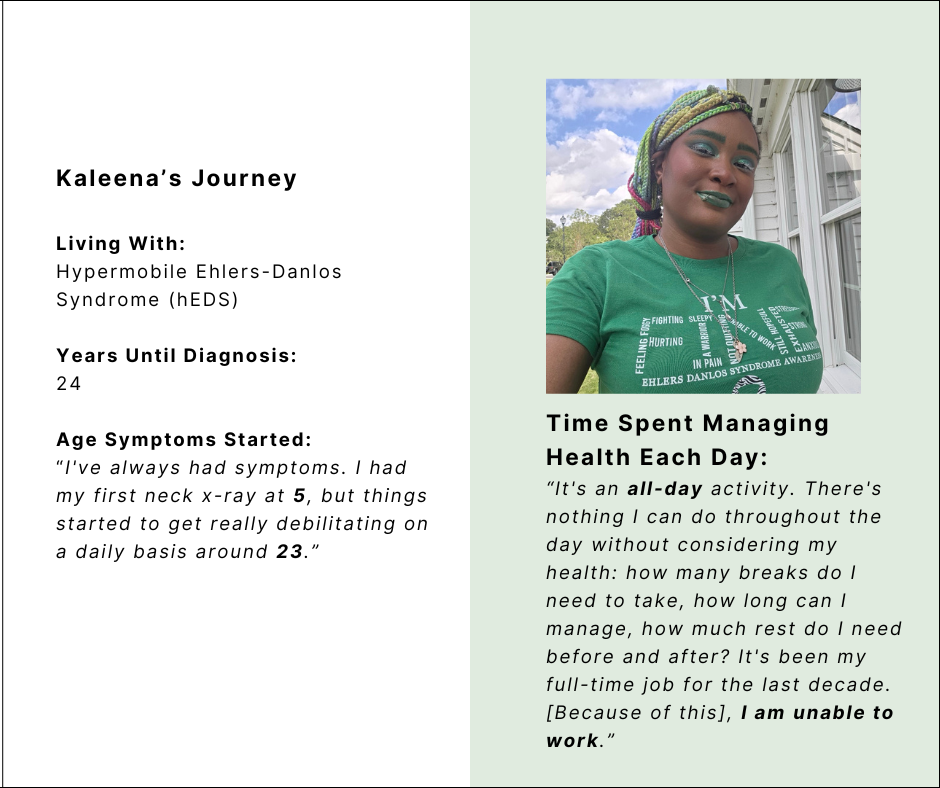
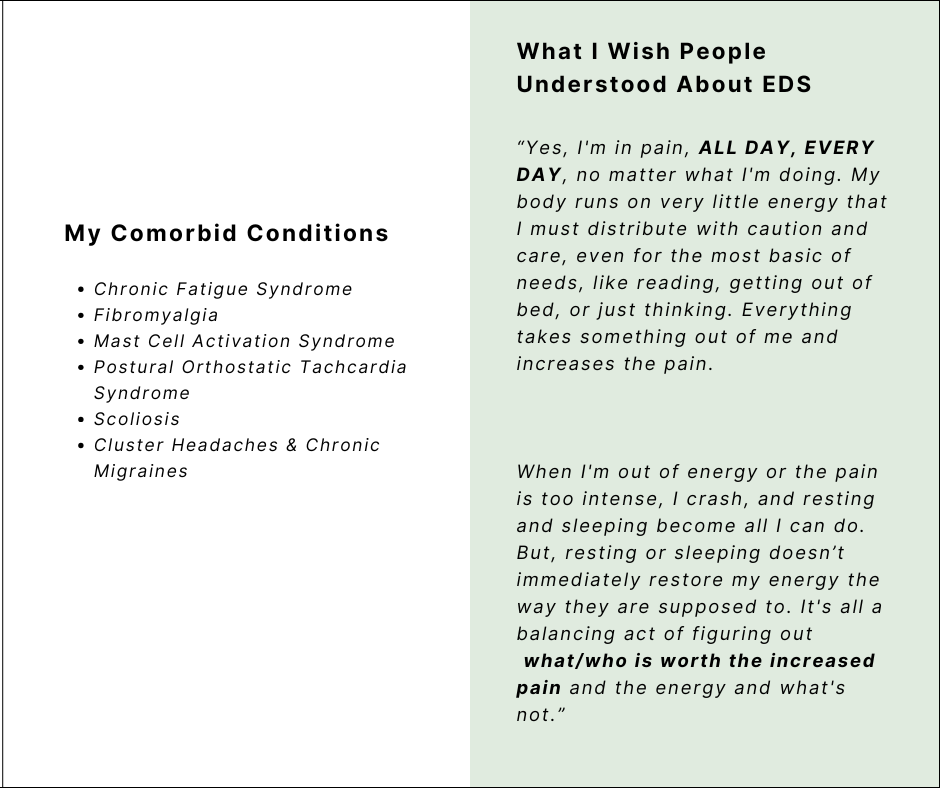
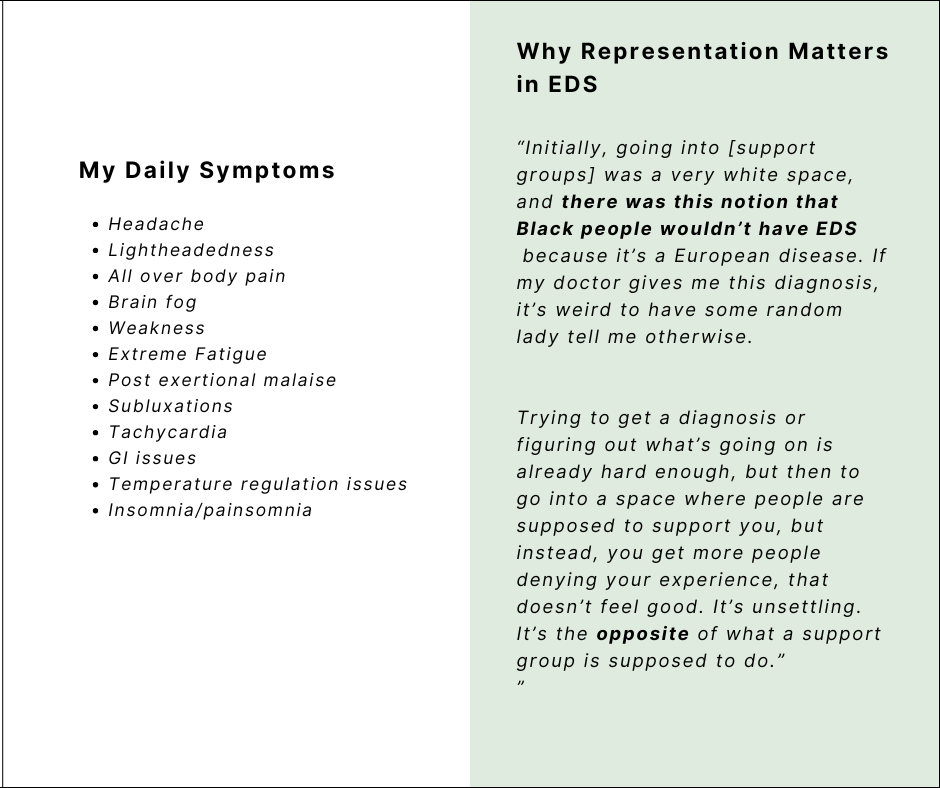
The demographic myth—that EDS is a "European disease"—has created systemic barriers to care for patients of color. Kaleena Deshawn, who lives with Hypermobile EDS (hEDS), highlights the isolation of being told by others in the community that her diagnosis didn’t fit the "mold."
"Trying to get a diagnosis is already hard enough," Deshawn shares, "but to go into a space where people are supposed to support you, and instead, you get more people denying your experience—that’s the opposite of what a support group is supposed to do." Her experience underscores the vital need for diversity in advocacy and the danger of racial bias in medical diagnostic criteria.
The Reality of Chronic Management: A Full-Time, Unpaid Job
A central, often ignored, aspect of EDS and HSD is the sheer volume of labor required to simply exist. Our participants report spending anywhere from three to six hours daily—or, in some cases, the entire day—solely managing their health.
The "Full-Time" Nature of Chronic Illness
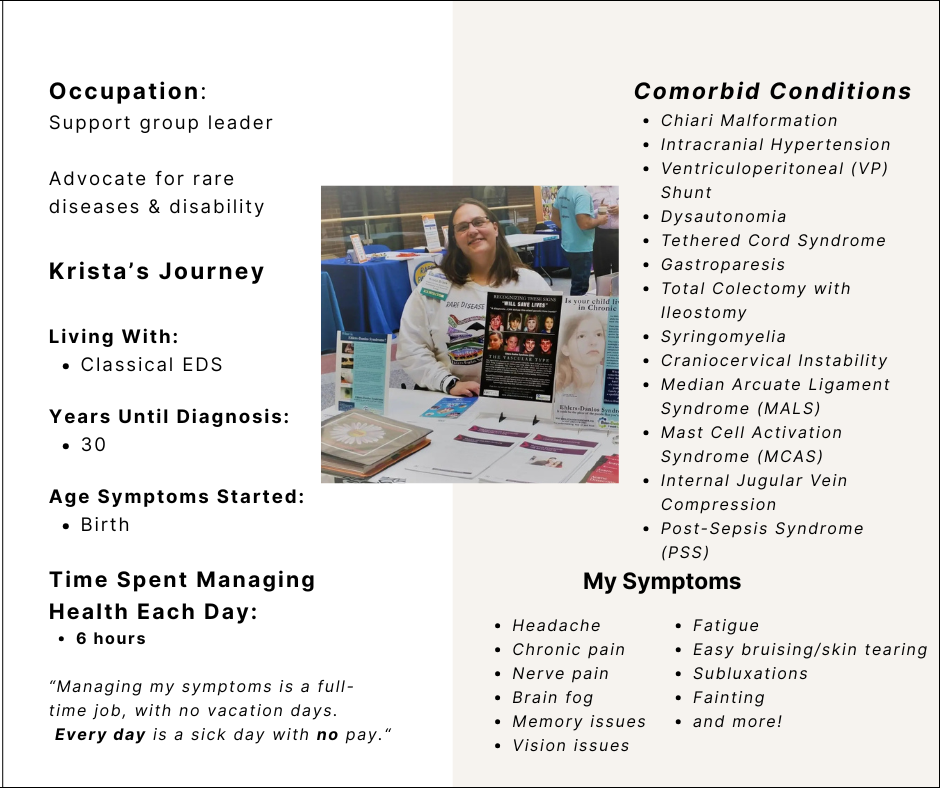
For Krista Brack, a support group leader and advocate for rare diseases, living with Classical EDS means her life is structured entirely around symptom management. With a diagnosis journey that took 30 years, Brack describes her daily existence as a "full-time job with no vacation days."
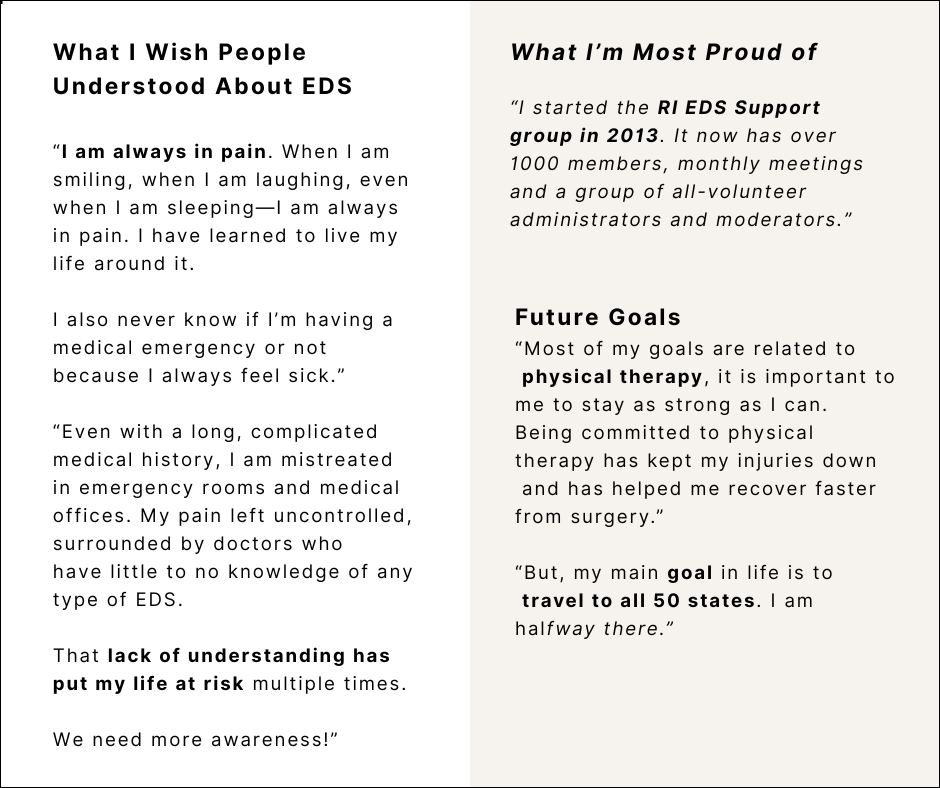
Her list of comorbid conditions—including Chiari Malformation, Mast Cell Activation Syndrome (MCAS), and dysautonomia—illustrates the systemic nature of the condition. For Brack, the struggle is compounded by the medical system’s failure to recognize the severity of her condition, often resulting in mistreatment in emergency settings. "I am always in pain," she says. "When I am smiling, when I am laughing, even when I am sleeping—I am always in pain."
Chronology of Diagnosis: The "Long Road" to Recognition
One of the most harrowing constants among our four subjects is the significant delay in diagnosis. On average, these individuals spent over two decades seeking answers.
- Jeevan Mann: 19 years to diagnosis.
- Kaleena Deshawn: 24 years to diagnosis.
- Krista Brack: 30 years to diagnosis.
- Jacqueline Teti: 21 years to diagnosis.
This collective "lost time" is not merely a bureaucratic failure; it is a clinical crisis. Delayed diagnosis means years of untreated subluxations, systemic inflammation, and the psychological toll of being told that one’s pain is "all in their head."
Supporting Data: The Comorbid Landscape
The medical community is increasingly acknowledging that EDS is rarely a standalone condition. The following comorbidities were frequently cited by our participants:
- Autonomic Dysfunction: POTS (Postural Orthostatic Tachycardia Syndrome) and dysautonomia are common, leading to temperature dysregulation, dizziness, and tachycardia.
- Neurological Complications: Craniocervical instability, Chiari malformation, and brain fog were prevalent, often requiring complex, high-risk interventions.
- Immunological Involvement: Mast Cell Activation Syndrome (MCAS) was a recurring factor, causing unpredictable systemic reactions.
- Gastrointestinal Distress: Celiac disease, gastroparesis, and complex GI issues frequently force strict dietary and lifestyle modifications.
Official Responses and Clinical Implications
Medical professionals and policy experts are beginning to recognize that current standards of care are insufficient for the "invisible" nature of EDS.
The "Look" of Illness
The myth that "if you were actually sick, you would look sick" is perhaps the most damaging to patient morale. Jacqueline Teti, an Editor-in-Chief and Director of Programs living with HSD, challenges this head-on. Despite being at her "sickest" in 2018—a year defined by repeated ER visits for unstable blood pressure—she managed to complete her master’s degree with honors.
"I was the sickest I had ever been in my life," Teti recalls, "and yet, I was in graduate school." Her story serves as a reminder that the ability to function in a professional or academic setting does not equate to the absence of severe chronic illness. It simply means the individual is performing an heroic amount of invisible, physical, and mental labor to maintain that level of function.
Improving Care: The Path Forward
The implications for the medical community are clear:
- Diagnostic Reform: Medical schools must update curricula to recognize that EDS presents across all races and genders.
- ER Protocol: Emergency rooms require better training to handle patients with connective tissue disorders, preventing the "gaslighting" that leads to trauma and life-threatening delays in care.
- Holistic Support: As evidenced by Krista Brack’s success in managing her conditions through consistent physical therapy, a multidisciplinary approach—combining PT, pain management, and psychiatric support—is essential.
- Community Advocacy: As seen in the work of our four participants, patient-led support groups are the primary source of validation and information for the EDS community.
Conclusion: Finding Meaning in the Small Moments
Living with EDS/HSD is an exercise in profound resilience. It is a life characterized by "painsomnia," complex medical regimes, and the constant navigation of a society that demands a level of physical output the body cannot always provide.
However, as Jeevan Mann eloquently stated, the most important lesson is the "necessity of finding joy, meaning, and hope in the small moments." Whether it is through the arts, advocacy, or simply the support of a community that understands the "invisible" struggle, those living with EDS continue to rewrite the narrative.
By fostering greater understanding—not just of the symptoms, but of the human beings behind the diagnosis—we can begin to dismantle the myths that hold back progress. It is time for the medical community and society at large to stop looking for the "traditional" patient and start seeing the reality of the chronic illness experience: one that is diverse, demanding, and, above all, deserving of recognition and respect.
About the Author: Jacqueline Teti is the Editor-in-Chief and Director of Programs at Chronic Pain Partners. Her work focuses on bridging the gap between clinical research and patient advocacy, ensuring that the voices of those with EDS/HSD are centered in the pursuit of better care.