By Editorial Staff
Published June 24, 2026
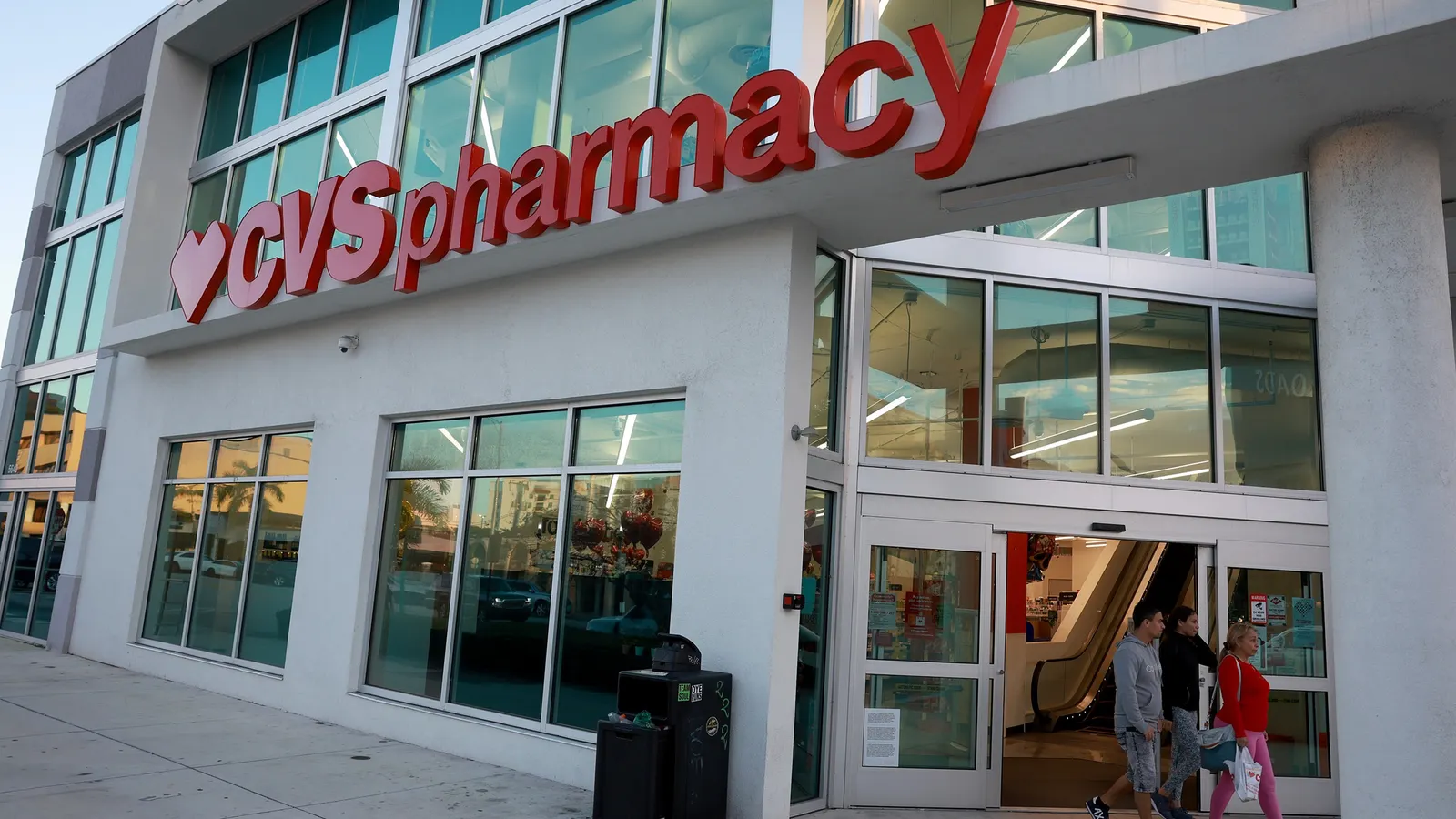
In a move that signals a deepening national crackdown on the pharmaceutical supply chain, Florida Attorney General Ryan Uthmeier has launched a sweeping investigation into the business practices of CVS Health and its pharmacy benefit manager (PBM) subsidiary, Caremark. The probe, which centers on allegations of anticompetitive behavior, marks a pivotal moment in the ongoing battle between state regulators and the powerful middlemen who control the flow of prescription drugs in the United States.
The investigation, initiated through a civil investigative demand—essentially an administrative subpoena—seeks to peel back the curtain on how integrated healthcare giants balance their roles as both the managers of prescription benefits and the owners of retail pharmacy networks.
The Core Conflict: When the Middleman Owns the Store
At the heart of the controversy is the immense market consolidation within the PBM industry. Three companies—CVS Caremark, UnitedHealth’s Optum Rx, and Cigna’s Express Scripts—collectively manage roughly 80% of all prescriptions filled in the United States.
PBMs were originally designed as administrative intermediaries. Their purported goal was to negotiate rebates from drug manufacturers and pass those savings on to insurance plans and patients, while creating formularies that encourage the use of lower-cost alternatives. However, critics, including state attorneys general and independent pharmacy advocates, argue that these companies have morphed into "gatekeepers" that prioritize corporate profits over patient health.
In Florida, the friction is particularly acute. With CVS operating approximately 800 retail locations across the state, the concern is that the company is structurally incentivized to steer patients toward its own pharmacies while squeezing out independent, community-based competitors through unfair reimbursement rates and restrictive network audits.
Chronology: The Road to the Florida Probe
The investigation into CVS did not emerge in a vacuum. It is the latest development in a multi-year effort by state and federal regulators to bring transparency to the opaque PBM model.
- 2020–2022: As prescription drug prices reached record highs, state legislatures began holding hearings on "spread pricing," a practice where PBMs charge health plans more for a drug than they reimburse the pharmacy, keeping the difference as profit.
- 2023: Arkansas became a focal point for the industry when it passed a law banning PBMs from owning or operating pharmacies. The legislation was met with immediate, aggressive litigation from the industry’s lobbying arm and the "Big Three" PBMs.
- February 2026: Federal lawmakers achieved a significant victory by passing comprehensive PBM reform legislation, signaling a rare bipartisan consensus in Washington regarding the need for market oversight.
- June 2026: Florida Attorney General Ryan Uthmeier issues the civil investigative demand to CVS, requiring thousands of documents, including internal data on pharmacy contracts, reimbursement schedules, and rebate structures. CVS has been given a deadline of July 28 to comply.
Supporting Data: The Impact on the Marketplace
The scrutiny of PBMs is fueled by a growing body of evidence suggesting that the current market structure is detrimental to small-business owners and, ultimately, patients.
According to recent data published in Health Affairs, approximately one in three independent retail pharmacies has closed since 2010. Industry analysts point to "PBM clawbacks"—where middlemen retroactively demand fees from pharmacies months after a drug has been dispensed—as a primary driver of these closures.
Furthermore, the Federal Trade Commission (FTC) has noted in recent reports that PBMs often utilize "rebate walls" and "preferred pharmacy networks" to force patients to use their own mail-order or retail outlets. This vertical integration creates a closed loop:
- The PBM determines which drugs are covered.
- The PBM negotiates the rebate with the manufacturer.
- The PBM determines the reimbursement rate for the pharmacy.
- The PBM owns the pharmacy where the patient is incentivized to shop.
Critics argue this concentration of power leaves no room for price competition, as the PBM captures value at every step of the transaction.
Official Responses and Stances
The Attorney General’s Perspective
Attorney General Uthmeier has framed the investigation as a necessary defense of the free market and consumer choice. In a formal statement released alongside the announcement of the investigation, Uthmeier did not mince words:

"Florida families and seniors deserve access to affordable medication and real pharmacy choices—not a system rigged by one giant corporation that may favor its own stores and squeeze out competitors. This investigation will uncover the truth and protect fair competition for all Floridians."
The Industry Defense
The Pharmaceutical Care Management Association (PCMA), the national trade association for PBMs, has consistently argued that the companies are being used as a scapegoat for high drug prices. Their official stance maintains that:
- PBMs are the only entities in the supply chain actively working to negotiate lower costs from pharmaceutical manufacturers.
- The high cost of medicine is driven by the pricing strategies of drug manufacturers, not the middlemen.
- Vertical integration allows for better coordination of care, which improves patient adherence and reduces long-term healthcare costs.
CVS Health has indicated it will cooperate with the Florida investigation, though they maintain that their business practices are fully compliant with state and federal laws.
Implications: A Shifting Legal Landscape
The Florida probe is part of a larger, systemic legal challenge that could redefine the American healthcare landscape.
The Regulatory "Whack-a-Mole"
States like Tennessee and Arkansas have attempted to legislate their way out of the PBM problem, only to face immediate legal injunctions from industry giants. These cases often hinge on the Employee Retirement Income Security Act (ERISA), a federal law that PBMs argue preempts state-level attempts to regulate their contracts. The outcome of the Florida investigation could test whether state attorneys general can bypass these federal arguments by focusing on antitrust and consumer protection violations rather than plan administration.
The Federal Front
Beyond the state level, the FTC’s ongoing lawsuit against the largest PBMs regarding insulin pricing represents the most significant federal threat to the industry’s business model in decades. Should the FTC win, it would set a precedent that could render the current PBM model obsolete or require a mandatory divestiture of PBMs from their affiliated pharmacy and insurance arms.

What Lies Ahead for Consumers
For the average Floridian, the immediate impact of this investigation may be limited. However, if the probe results in a mandate to decouple PBMs from retail pharmacies, the long-term result could be a resurgence of independent pharmacies and a more transparent, competitive pricing model for prescription drugs.
Conversely, if the litigation fails to yield changes, it may embolden PBMs to further consolidate, potentially leading to fewer pharmacy options and continued volatility in out-of-pocket drug costs.
As July 28 approaches, all eyes will be on the documentation provided by CVS. The results of this investigation will likely serve as a blueprint for other states, determining whether the "middleman era" of American healthcare is nearing its end or if the industry is simply preparing for its next major legal defense.