









As we cross the threshold into our fifties and beyond, the narrative surrounding physical fitness often shifts from "performance" to "preservation." However, this transition does not mean we must accept a decline in physical capability. In fact, the decade after 50 is a critical window for body recomposition and functional reinforcement. Bodyweight training—a modality that demands mastery of one’s own physical presence in space—has emerged as a premier strategy for building not just muscle, but the structural integrity required for a high quality of life.
By focusing on controlled, repeatable, and functional movements, individuals can reverse the tide of age-related muscle loss (sarcopenia) and joint stiffness. This article explores the science, methodology, and practical application of a bodyweight-centric training regimen designed for the post-50 athlete.
The Science of Bodyweight Mechanics
Bodyweight training is often dismissed as "too easy" or "beginner-level" by those obsessed with heavy barbell lifting. This is a fundamental misunderstanding of biomechanics. While external weights provide a clear path to progressive overload, bodyweight exercises demand a higher degree of neurological control, proprioception, and stability.
According to recent clinical literature, training through one’s own range of motion fosters superior joint stability and muscular endurance. After 50, the primary goal of exercise should be to cultivate "movement confidence"—the ability to transition from sitting to standing, to reach overhead, or to catch oneself during a stumble without hesitation. By leveraging your own body mass, you are forced to manage your center of gravity, which in turn recruits stabilizer muscles often ignored by machine-based gym equipment.
Core Principles: Control and Consistency
When coaching mature adults, the focus is less on "how much weight" and more on "how well the body moves." Effective bodyweight training relies on three pillars:
- The Eccentric Phase: The lowering phase of a movement is where significant muscle remodeling occurs. By lowering yourself slowly during a squat or push-up, you increase time under tension, which stimulates muscle hypertrophy and improves tendon health.
- Bracing: The ability to create intra-abdominal pressure—essentially "locking" your core—is the difference between a safe movement and an injury-prone one.
- Range of Motion (ROM): Many people limit their range of motion as they age due to stiffness. The goal of this routine is to safely expand your functional ROM, ensuring that your joints remain supple and your muscles remain long and responsive.
The Five-Move Longevity Protocol
This protocol addresses the kinetic chain from head to toe. Whether you use this as a standalone routine or as a supplementary workout, the focus must remain on the quality of every repetition.
1. The Push-Up: The Upper-Body Cornerstone
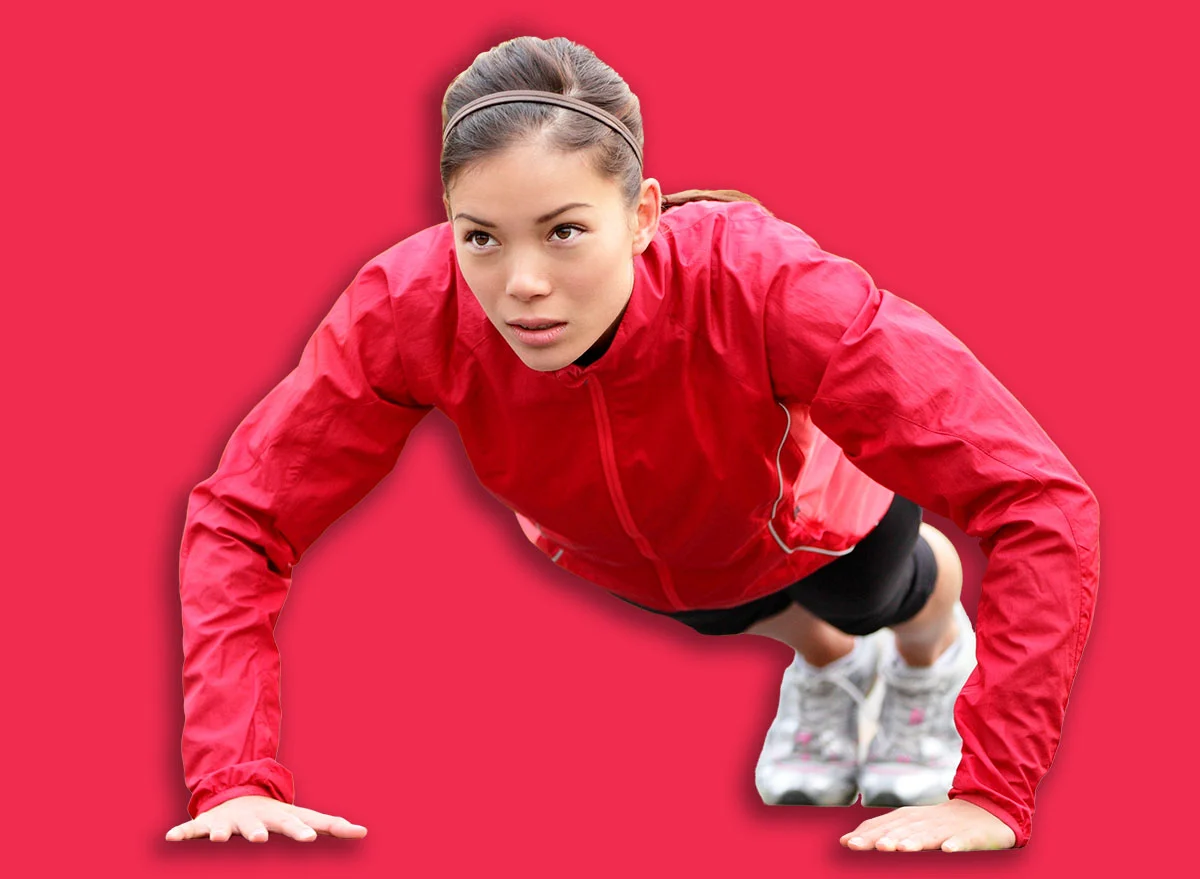
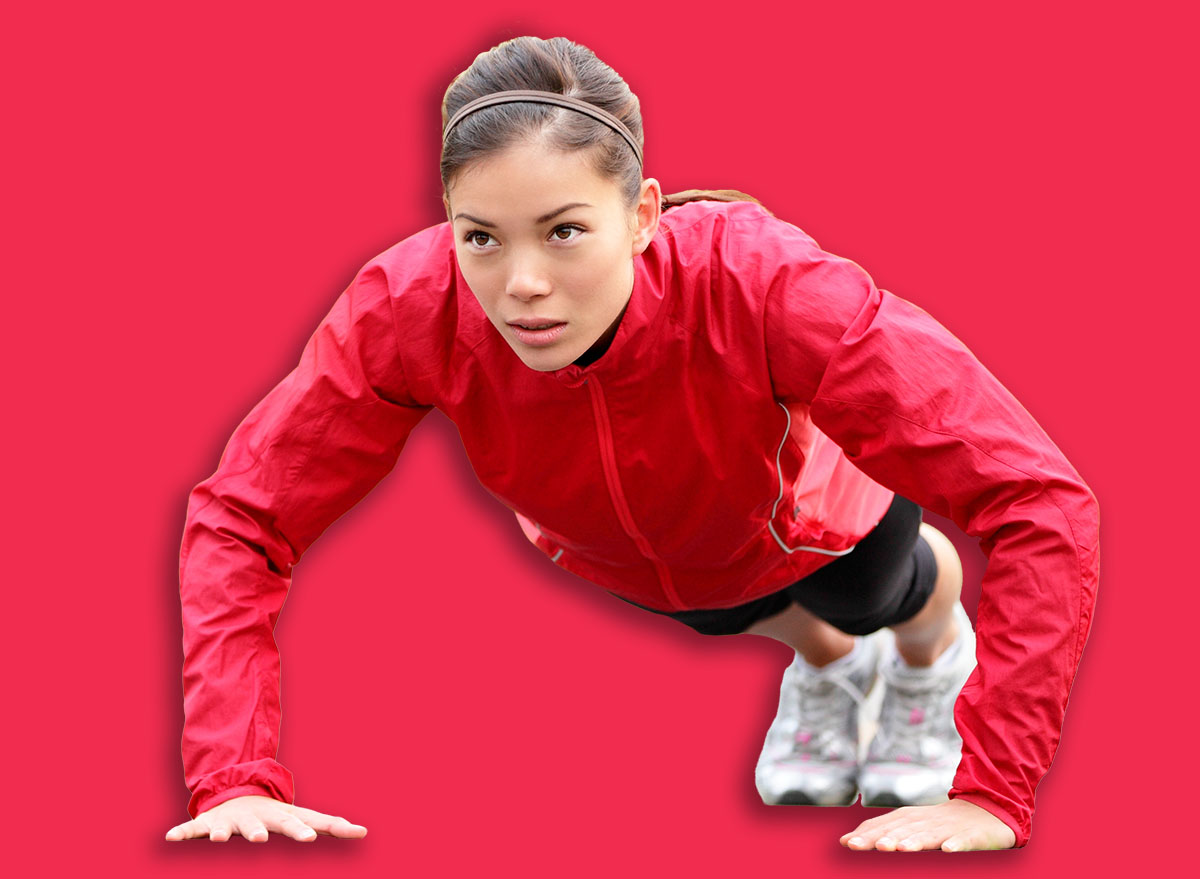
The push-up is a horizontal pressing movement that integrates the chest, shoulders, triceps, and, crucially, the core. Unlike a bench press, where your back is supported by a pad, a push-up requires your entire trunk to act as a bridge.
- Implications: Mastering the push-up translates to better functional strength for daily tasks, such as pushing a heavy door or lifting yourself off the floor after a fall.
- Progressive Strategy: If a standard push-up is currently inaccessible, begin with a wall push-up or an incline push-up against a sturdy kitchen counter. As you build strength, gradually lower the angle until you are performing them on the floor.
- Form Note: Maintain a straight line from your head to your heels. Avoid "flaring" your elbows out; keep them tucked at a 45-degree angle to your torso to protect the shoulder joint.
2. The Squat: The Foundation of Independence
The squat is the ultimate indicator of lower-body health. It trains the quads, glutes, and hamstrings, while teaching the hips to hinge properly.
- Why It Matters: The ability to perform a deep, controlled squat is highly correlated with long-term independence. It is the movement pattern required for sitting, climbing stairs, and navigating uneven terrain.
- Form Note: Keep your heels planted. If you feel your heels lifting, focus on pushing your hips back as if you are sitting into a chair. Use a chair as a target initially to ensure you are reaching a consistent depth.
3. The Reverse Lunge: Unilateral Stability
While squats work both legs simultaneously, the reverse lunge forces each leg to work independently. This is vital for addressing muscle imbalances that naturally occur as we age.
- Clinical Advantage: Reverse lunges are generally kinder to the knees than forward lunges because they place less shear force on the patella. They emphasize hip control and glute activation, which are essential for stable walking and balance.
- Form Note: Step backward, not forward. This helps keep your front shin vertical, reducing strain on the front knee.
4. The Inverted Row: Postural Realignment
In an era dominated by screens and sedentary work, we spend most of our time hunched forward. The inverted row—a pulling movement—is the antidote to the "slumped" posture.
- Muscles Targeted: The upper back (rhomboids and traps), lats, and biceps. By strengthening these, you pull your shoulders back and open the chest, naturally improving your standing posture.
- Execution: Find a low bar, a sturdy table, or use a suspension trainer. The more horizontal your body, the harder the move; keep your feet further away to make it easier.
5. Plank With Shoulder Taps: Anti-Rotation
A standard plank is excellent, but adding shoulder taps introduces a dynamic element: anti-rotation. Your core must work to keep your hips perfectly still while one hand leaves the floor.
- The Benefit: This builds "bracing" strength. It teaches your body to remain rigid under stress, which is the hallmark of a healthy spine and lower back.
- Form Note: Imagine a glass of water sitting on your lower back. Your goal is to move your hands without spilling a drop.
Supporting Data: Why Training Changes After 50
Recent longitudinal studies published in the Journal of Gerontology suggest that individuals who engage in resistance training—even using bodyweight—showed significantly higher bone mineral density and improved markers of insulin sensitivity compared to sedentary peers.
The physiological response to training after 50 is arguably more "urgent" than in youth. Between the ages of 50 and 70, the average person can lose up to 30% of their muscle strength if they do not provide a stimulus for maintenance. Bodyweight training serves as that stimulus, acting as a "biological alarm clock" that tells the body it still needs to maintain muscle tissue to survive and thrive.
Implications for Daily Life
The true beauty of this five-move protocol lies in its transferability. When you train your body to control its own weight, you are essentially "future-proofing" your physical architecture.
- Psychological Impact: There is a profound sense of empowerment that comes from physical mastery. Knowing you can handle your own body weight provides a level of confidence that mitigates the anxiety often associated with aging.
- Sustainability: Because these exercises require no equipment, there is no "barrier to entry." You can perform these moves in a hotel room, a park, or your living room. The lack of excuses makes consistency—the most important factor in any health program—easier to achieve.
Expert Recommendations for Implementation
To transition into this program effectively, follow these guidelines:
- Start with Frequency, Not Intensity: Begin with two days a week. Allow your joints and connective tissues time to adapt to the new load.
- Focus on the "Slow Burn": Take three seconds to lower yourself into a squat or push-up. The magic is in the control, not the speed.
- Listen to Your Joints: Muscle soreness is expected; sharp joint pain is not. If a movement causes pain, modify it (e.g., use an incline) or choose a variation that fits your current mobility level.
- Track Progress: Keep a simple journal. Note how many reps you performed and how you felt. Seeing your numbers climb over months is a powerful motivator.
By adopting this regimen, you are not just exercising; you are investing in the most important asset you own: your ability to move through the world with grace, strength, and confidence for decades to come.