While the national landscape regarding abortion access remains starkly polarized, a quiet but profound transformation is occurring in the private convictions of many Americans. As state-level bans proliferate in the wake of the Supreme Court’s decision to overturn Roe v. Wade, a growing segment of the population—including those from traditionally conservative and evangelical backgrounds—is finding their long-held ideological stances tested by the harsh realities of medical necessity.
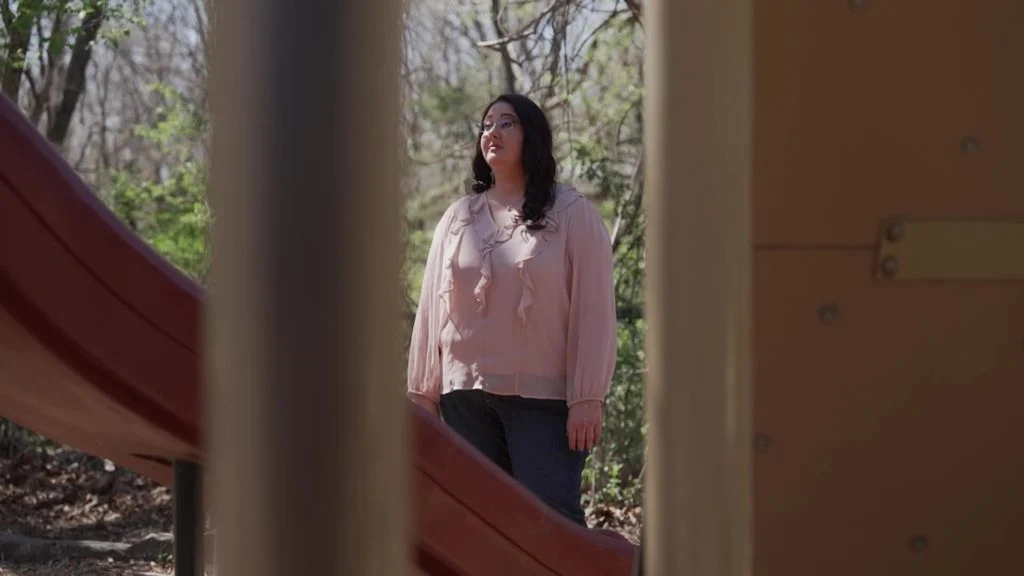
For Chelsea Stovall, a 35-year-old mother from Fayetteville, Arkansas, the transition from a staunch, faith-based opponent of abortion to a vocal advocate for reproductive rights was not a matter of political theory, but a visceral response to a devastating personal tragedy. Her journey underscores a broader, emerging trend: the erosion of monolithic opposition to abortion as more Americans confront the complexities of reproductive health care in an era of strict legal prohibitions.
The Genesis of a Conviction: A Life Defined by Faith
Chelsea Stovall’s early life was framed by the rigid, often unspoken rules of evangelical Christianity. Raised in a large, tight-knit family that moved frequently, Stovall found stability in the church. It was the bedrock of her social and moral architecture. In that world, abortion was not discussed as a medical procedure; it was a taboo, a moral failing, and an abstract "wrong" that sat outside the bounds of acceptable conversation.
This viewpoint was mirrored by her then-husband, Thomas Stovall, a military veteran from Mississippi who was raised in the Southern Baptist tradition. For Thomas, the rhetoric of his youth was "fire and brimstone." Abortion was a sin, a concept he accepted without question because he had never been forced to examine its medical implications. For years, the Stovalls lived by these values, raising their two children with the same religious fervor that had guided their own upbringings.
A Chronology of Tragedy
In 2022, the trajectory of the Stovall family changed irrevocably. Chelsea, eager to expand their family, discovered she was pregnant for the third time. The pregnancy was initially healthy, and the couple was joyous. However, their optimism was short-lived, colliding head-on with the shifting legal landscape of the United States.
The Turning Point: Post-Roe Arkansas
Just weeks after the Supreme Court overturned Roe v. Wade, Arkansas triggered a near-total ban on abortion. It was in this climate that Chelsea attended a routine anatomy scan. The mood in the examination room shifted from excitement to clinical gravity as the ultrasound technician fell silent.
The diagnosis was catastrophic: the fetus had a congenital diaphragmatic hernia. The intestines had migrated into the chest cavity, preventing the lungs and heart from developing. The baby had less than a one-percent chance of survival. A neonatal specialist later confirmed that had they caught the condition four weeks earlier, a life-saving medical intervention—an abortion—would have been a standard clinical option. Instead, the Stovalls were trapped in a legal vacuum where the state mandated the continuation of a non-viable pregnancy.
The Exodus for Care
Faced with the prospect of carrying a dying fetus, the couple had to navigate a labyrinth of legal and logistical hurdles. They were forced to look beyond the borders of Arkansas, which had essentially criminalized the care Chelsea needed. The logistical burden was immense: they had to secure an appointment in Illinois, navigate the scarcity of providers due to an influx of out-of-state patients, and arrange childcare for their two young children.
The financial and emotional toll was staggering. The procedure drained the family’s savings, requiring a six-hour drive and a multi-day stay in a hotel. The experience was profoundly isolating; because of safety protocols at the clinic, Chelsea had to face the procedure without the support of her husband or friends. Outside the clinic, Thomas was harassed by protesters, an experience that shattered his remaining connection to the rigid ideology he had once espoused.
Supporting Data: A Shifting National Mood
The Stovalls’ experience is not an anomaly in a statistical sense. Recent polling suggests that the post-Roe environment has catalyzed a reassessment of abortion rights among diverse demographics.
- Democratic and Independent Gains: Surveys indicate that a higher percentage of Democrats and independent voters now support the legality of abortion in all or most cases compared to five years ago.
- The "Morality" Gap: There is a measurable increase in the number of Americans who characterize abortion as "morally acceptable," a trend that defies the narrative of an entrenched, unchanging national opinion.
- Conservative Re-evaluation: While the Republican party base remains largely opposed to abortion, there is a burgeoning "softening" among conservative-leaning voters. The rise in cases involving medical emergencies—such as ectopic pregnancies or fatal fetal anomalies—has forced a public conversation about the difference between ideological "sin" and medical necessity.
Official Responses and Legal Implications
The current legal climate has forced medical professionals and policymakers into a high-stakes standoff. Medical boards in states with bans have expressed concern that the ambiguity of "life-of-the-mother" exemptions is causing doctors to delay care until a patient is on the brink of death, fearing legal prosecution.
Chelsea Stovall, now a plaintiff in a lawsuit against the state of Arkansas, has become a face for the opposition. Her argument is grounded in the assertion that the law fails to distinguish between elective procedures and essential, life-saving medical care. "It’s not just used as birth control," she stated. "It is a medical procedure."
Advocacy groups supporting these bans maintain that the sanctity of life is an absolute principle that should not be subject to situational ethics. They argue that the legal framework protects the most vulnerable and that any "hard cases" should be addressed through prenatal hospice and palliative care, rather than the termination of the pregnancy.
The Broader Implications: A New Political Reality
The ripple effects of stories like the Stovalls’ are beginning to manifest in the political sphere. In several states, initiatives to protect abortion access via ballot measures have outperformed party-line expectations. These results suggest that when abortion is moved from an abstract moral debate to a practical question of health care, the electorate’s response is more nuanced than party platforms would suggest.
For the Stovalls, the aftermath has been a long road of reconciliation and trauma. Thomas has moved away from the "my way or the highway" religious outlook of his youth, finding the experience to be a catalyst for a deeper, more empathetic spirituality. Chelsea, while still grappling with the loss of her third child, has found a new purpose in activism.
The implications for the American political landscape are clear: the conversation around abortion is no longer confined to the halls of power or the pulpits of churches. It is being played out in doctors’ offices, on six-hour drives across state lines, and in the quiet, painful realization of parents who find that their most cherished beliefs were insufficient to protect them when the unthinkable occurred.
As more Americans share their stories, the rigid legal structures currently in place face an intensifying challenge. Whether this leads to a legislative middle ground or a deepening of the national divide remains to be seen, but one thing is certain: the era of keeping abortion in the shadows of "taboo" is coming to an end. The reality of medical necessity is forcing the country to look, and for many, that look is changing everything they thought they knew.