In a landmark policy shift that has sent ripples through the global advertising and environmental policy sectors, Amsterdam has officially become the first capital city in the world to implement a comprehensive ban on advertisements promoting products linked to high carbon emissions. As of May 1, 2026, the city’s public spaces—once vibrant canvases for airlines, cruise lines, and major meat producers—have been scrubbed of promotional material deemed environmentally detrimental.
This move marks a significant escalation in the municipal government’s strategy to meet its ambitious climate goals. By targeting the psychological drivers of consumption, Amsterdam is moving beyond traditional carbon taxes and infrastructure investment, instead aiming to reshape the "social norm" regarding what is considered a sustainable lifestyle.
The Scope of the Ban: Redefining Public Space
The regulations, which came into effect earlier this spring, are precise in their application. The ban targets city-owned properties and public infrastructure, effectively turning bus shelters, tram stops, metro stations, municipal benches, and city-managed billboards into "advertisement-free zones" for specific industries.
What is prohibited?
The ban focuses on two primary sectors: high-carbon transportation and animal agriculture.
- Fossil Fuel-Linked Travel: Advertising for airlines, cruise lines, and holiday destinations requiring long-haul air travel is now strictly forbidden. The rationale is that these ads implicitly promote the burning of fossil fuels and normalize carbon-intensive leisure activities.
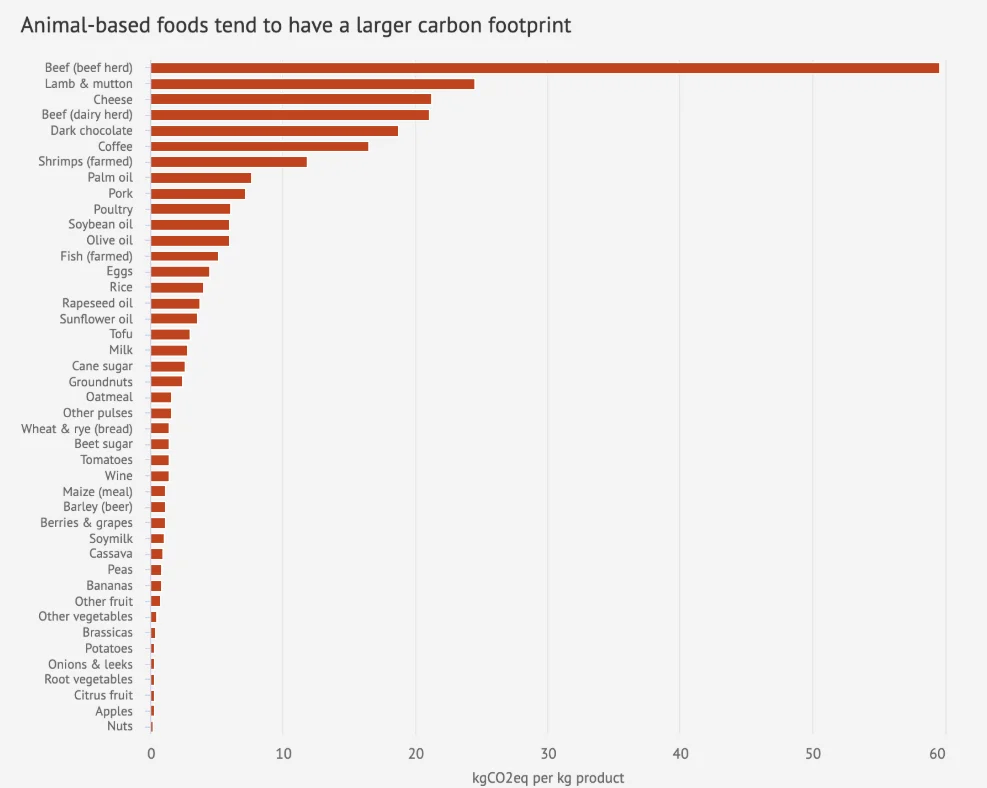
- Animal Agriculture: Perhaps the most controversial aspect of the policy is the inclusion of meat and fish products. Advertisements for beef, chicken, pork, and seafood are prohibited due to the significant environmental footprint—including land use, water consumption, and methane emissions—associated with industrial animal farming.
Crucially, the law does not extend to private property. Advertising in independent stores, private media outlets, newspapers, radio, and digital advertising platforms remains exempt, reflecting a compromise between aggressive climate action and the principles of free enterprise within the private sector.
Chronology of a Policy Shift
The road to this ban was neither sudden nor uncontested. For years, Amsterdam has positioned itself as a laboratory for urban sustainability, but the push to regulate advertising was a grassroots effort that eventually gained political traction.
- Early 2023: Local environmental activist groups, including Reclame Fossielvrij (Fossil-Free Advertising), began lobbying the Amsterdam City Council, drawing parallels between the regulation of tobacco advertising and the need to curb the promotion of high-carbon goods.
- Late 2024: Following a series of heatwaves and extreme weather events in Europe, the Amsterdam City Council commissioned a feasibility study on "Climate-Positive Public Spaces."
- January 2026: The city council voted in favor of the ban, citing the urgent need to reduce the "environmental messaging pressure" placed on citizens in public transit hubs.
- May 1, 2026: The ban officially took effect. Amsterdam became the world’s first major capital to restrict such advertisements, setting a precedent that other European cities are now closely monitoring.
Supporting Data: The Environmental Toll of Meat
The decision to include meat in the advertising ban is supported by a growing body of scientific literature linking animal agriculture to the climate crisis. According to data provided by Carbon Brief and other environmental research institutions, the food system is responsible for approximately one-quarter to one-third of total global greenhouse gas emissions.
The Methane Problem
Animal agriculture, particularly cattle farming, is a primary driver of methane emissions—a greenhouse gas that, while shorter-lived than carbon dioxide, has a significantly higher global warming potential over a 20-year period. By curbing the public visibility of meat products, the city hopes to steer consumers toward plant-based alternatives, which require a fraction of the land and water and produce significantly fewer emissions.
The "Nudge" Theory
Behavioral scientists have long noted that environmental cues play a significant role in consumer choice. By removing the "choice architecture" that makes meat consumption appear standard, desirable, and ubiquitous, the city is applying "nudge" theory—a concept suggesting that subtle changes in the environment can influence behavior without removing individual freedom of choice.
Official Responses and Public Debate
The policy has ignited a fierce debate between climate advocates, who view it as a necessary evolution of public policy, and industry groups, who view it as a dangerous overreach of government power.
Proponents’ View
City officials argue that public space is a shared resource that should not be used to promote products that jeopardize the city’s future. "We cannot claim to be a leader in climate transition while our bus stops are plastered with advertisements for products that accelerate the destruction of our climate," a spokesperson for the city’s climate department noted. Supporters argue that just as we regulated cigarette ads to protect public health, we must regulate carbon-intensive ads to protect the "planetary health."
Critics’ View
The advertising industry and meat producer associations have been vocal in their opposition. The Dutch Meat Association issued a statement following the implementation, labeling the ban as "discriminatory and an infringement on the freedom of trade." Industry lobbyists argue that the ban unfairly targets legal products and that the city is overstepping its authority by deciding what kind of "lifestyle" is acceptable for its citizens. Concerns have also been raised about the potential loss of municipal revenue, as advertising fees from these companies provided a steady stream of income for the city’s transit network.
Implications: A New Era for Urban Policy
The implications of Amsterdam’s move extend far beyond its borders. If this policy proves successful in reducing meat consumption and carbon-intensive travel, it is highly likely that other European capitals—such as Copenhagen, Berlin, and Paris—will follow suit.
The Shift in Advertising Standards
This policy forces advertisers to rethink their portfolios. Brands that rely on high-impact, mass-market visual ads in urban centers are now forced to explore alternative marketing strategies, potentially shifting more budget toward digital, influencer, and targeted online advertising. This creates a disconnect: the public sphere becomes a "green" space, while the digital sphere remains a free-for-all for all types of products.
Measuring Success
The central question remains: Will banning these ads actually encourage less meat consumption? The city has announced a three-year review period to track sales data and public sentiment. Researchers are tasked with evaluating whether the reduction in visual cues leads to a measurable shift in dietary habits or if the ban merely serves as a symbolic gesture.
Key metrics for this evaluation include:
- Public Perception: Surveys regarding how "normal" or "essential" meat consumption is perceived by the average Amsterdam resident.
- Consumption Data: Tracking meat sales in city-center supermarkets versus the outskirts where the ban does not apply.
- Transit Utilization: Assessing whether the removal of high-carbon advertising leads to a greater sense of "climate alignment" among commuters.
Conclusion: A Precedent for the Future
Amsterdam’s decision is a bold experiment in social engineering. It challenges the long-held assumption that public space is a neutral territory available for any legal business to rent. Instead, the city is asserting that the climate crisis is a public health emergency that requires the re-evaluation of what information we allow to be pushed into our daily lives.
Whether or not the ban leads to a significant reduction in emissions, it has succeeded in one area: it has brought the environmental impact of consumption into the daily conversation. By removing the ads, the city has created a vacuum that is now being filled by questions about the ethics of our food and travel choices. As the world watches, Amsterdam is proving that the path to a sustainable future may be paved not just with solar panels and electric buses, but with the conscious removal of the habits that have defined the past century.
Whether other nations possess the political will to replicate this "Amsterdam model" remains to be seen, but the city has effectively shifted the goalposts of the climate debate. The era of the "unrestricted" advertisement in the public square may well be coming to a close.