








The human body is a vast, interconnected ecosystem, yet we often view our organ systems in isolation. A groundbreaking new study from the University of Exeter is challenging this narrow perspective, suggesting that the secret to regulating blood pressure in later life may not lie solely in the heart or the arteries, but in the tiny, complex microbial colonies residing in our mouths.
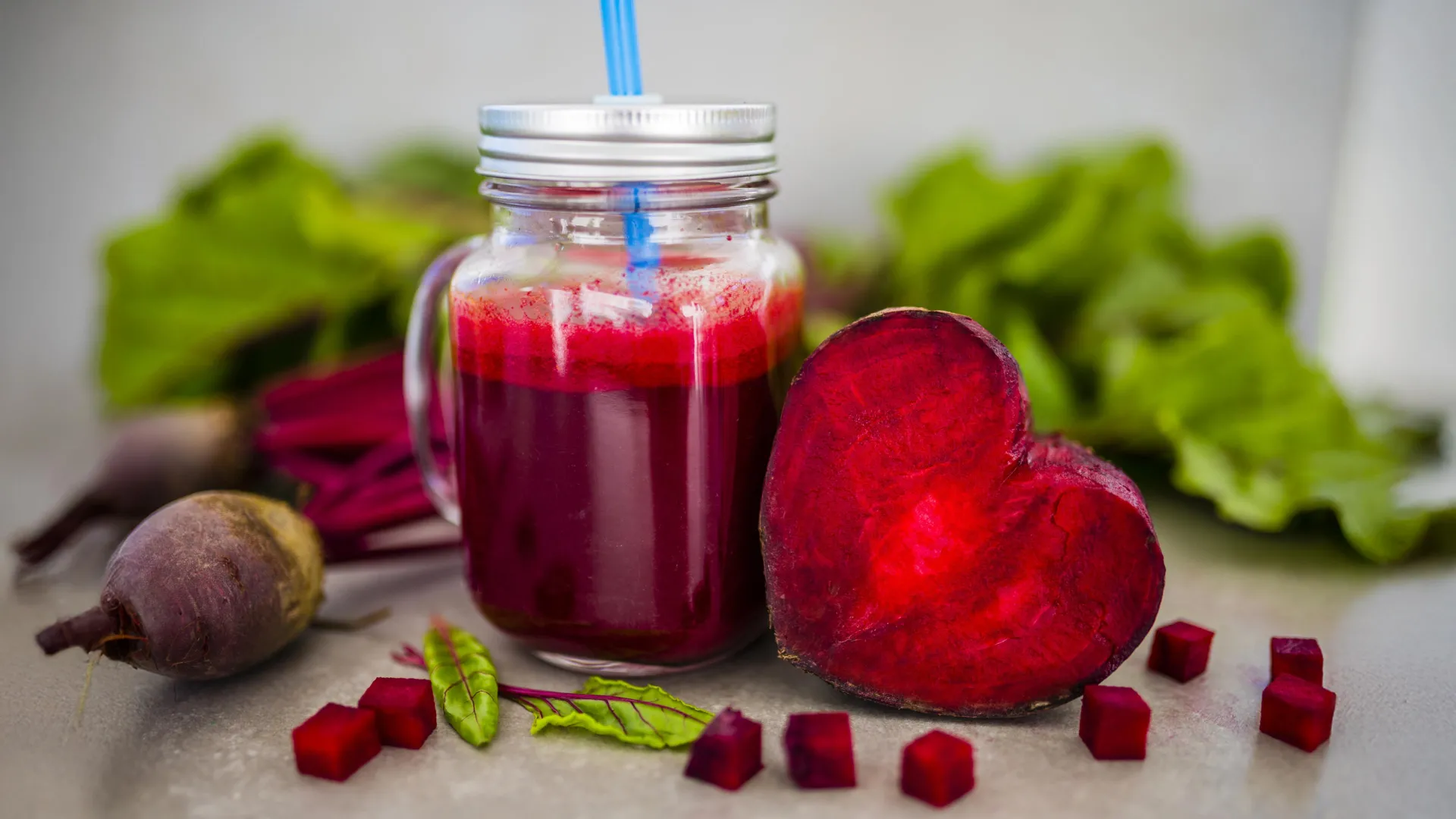
New research published in the journal Free Radical Biology and Medicine reveals that a simple dietary intervention—drinking nitrate-rich beetroot juice—can significantly lower blood pressure in older adults by fundamentally altering their oral microbiome. This discovery bridges the gap between nutrition, microbiology, and cardiovascular health, offering a compelling argument for a more nuanced approach to healthy aging.
The Core Discovery: A Microbial Catalyst for Heart Health
For years, nutritionists have touted the benefits of nitrate-rich vegetables. Compounds found in beetroot, spinach, kale, and celery are known precursors to nitric oxide, a vital molecule that helps blood vessels dilate, remain flexible, and maintain healthy blood pressure levels. However, the body cannot process these nitrates on its own.
The process begins in the mouth. When we consume nitrate-rich foods, specialized bacteria living on our tongues and in our oral cavities act as the initial "processing plant," converting dietary nitrate into nitrite. This nitrite is then swallowed and further processed into nitric oxide in the bloodstream.
The Exeter study, which serves as the most comprehensive investigation of its kind, found that as we age, our internal production of nitric oxide declines, leaving us more susceptible to hypertension and related cardiovascular complications. By supplementing with beetroot juice, researchers observed that older adults could "jumpstart" this pathway, effectively bypassing their age-related deficits in nitric oxide production.
Chronology of the Clinical Trial
The study, conducted at the NIHR Exeter Clinical Research Facility, involved a carefully controlled cohort of 75 participants: 39 adults under the age of 30 and 36 adults between the ages of 60 and 70. The trial was designed as a rigorous crossover study to ensure accuracy.
Phase 1: The Baseline
Researchers began by sequencing the oral microbiome of all participants to establish a baseline of the microbial communities present. At the start of the study, the older cohort presented with higher average blood pressure than their younger counterparts, reflecting the natural progression of vascular aging.
Phase 2: The Beetroot Intervention
Participants were placed into two distinct two-week phases. In one phase, they consumed a standardized, nitrate-rich beetroot juice supplement twice daily. In the second phase, they consumed a nitrate-depleted placebo juice. Between these two phases, the participants underwent a two-week "wash-out" period, designed to eliminate any residual effects of the previous supplement and reset their physiological baseline.
Phase 3: Microbiome Sequencing and Analysis
Using advanced bacterial gene sequencing, the team tracked how the oral microbiome shifted in response to the nitrate-rich juice. The data revealed that while the juice changed the mouth bacteria in both age groups, the nature of these changes was markedly different.
Supporting Data: Age-Specific Responses
The findings provide a fascinating look at how aging alters the "biological software" of our bodies. In the older adult group, the consumption of beetroot juice was linked to a significant decrease in Prevotella—a genus of bacteria often associated with inflammation and, in this context, considered potentially harmful. Simultaneously, there was a measurable spike in Neisseria, a genus associated with heart-healthy outcomes.
The most striking piece of data, however, was the physiological result: the older adults experienced a sustained drop in blood pressure that was entirely absent in the younger group. Because younger individuals already possess a more efficient, robust production of nitric oxide, the additional nitrate supplementation did not yield the same cardiovascular "bonus" as it did for the older participants. This suggests that the body’s requirement for external nitrate support increases as its internal regenerative mechanisms begin to slow.
Official Responses and Expert Insight
Professor Anni Vanhatalo, the lead author of the study, emphasized the clinical significance of these findings. "We know that a nitrate-rich diet has health benefits, and older people produce less of their own nitric oxide as they age," Vanhatalo stated. "Encouraging older adults to consume more nitrate-rich vegetables could have significant long-term health benefits. The good news is that if you don’t like beetroot, there are many nitrate-rich alternatives like spinach, rocket, fennel, celery, and kale."
Professor Andy Jones, a co-author of the study, highlighted the potential for reduced systemic inflammation. "This study shows that nitrate-rich foods alter the oral microbiome in a way that could result in less inflammation, as well as a lowering of blood pressure in older people," Jones noted. "This paves the way for larger studies to explore the influence of lifestyle factors and biological sex in how people respond to dietary nitrate supplementation."
Dr. Lee Beniston, Associate Director for Industry Partnerships at the BBSRC, which funded the research, praised the collaboration. "This research is a great example of how bioscience can help us better understand the complex links between diet, the microbiome, and healthy aging. By uncovering how dietary nitrate affects oral bacteria and blood pressure in older adults, the study opens up new opportunities for improving vascular health through nutrition."
The Broader Scientific Landscape: Follow-Up Research
The Exeter study does not exist in a vacuum; it is part of a growing body of evidence confirming that our oral health is inextricably linked to our systemic cardiovascular state.
The 2025 Hypertension Study
A 2025 randomized, double-blind, placebo-controlled crossover study involving 15 older adults with pre-existing hypertension provided further nuance. While the study confirmed that four weeks of nitrate-rich beetroot juice altered the oral microbiome, it also found that the response is highly individual. The results suggest that pre-existing medication and the baseline health of the gut and mouth microbiomes play a critical role in whether a patient experiences a blood-pressure-lowering effect. It serves as a reminder that "one-size-fits-all" nutrition may soon be a thing of the past.
The Antiseptic Paradox
Perhaps the most cautionary finding in recent literature concerns the use of oral hygiene products. A 2026 pilot study demonstrated that the use of chlorhexidine—a common ingredient in antiseptic mouthwashes—can act as a "microbial disruptor," effectively killing the very bacteria required to convert dietary nitrates into nitric oxide. The study showed that when these bacteria were wiped out, the blood-pressure-lowering effects of a nitrate-rich diet were severely diminished. This raises a provocative question: could our quest for sterile oral hygiene be inadvertently sabotaging our heart health?
Implications for Future Nutrition and Healthcare
The implications of this research are profound. We are moving toward a future of "personalized nutrition," where an individual’s unique microbial signature could dictate their dietary needs.
- A New Understanding of Aging: We now have a clearer mechanism for why cardiovascular health declines with age: a breakdown in the symbiotic relationship between our diet and our oral microbiome.
- Clinical Integration: While beetroot juice is not a replacement for blood-pressure-lowering medications, these findings suggest that diet can act as a powerful, low-cost, and low-risk adjuvant therapy.
- Oral Health as a Vital Sign: The research underscores the necessity of viewing the oral microbiome not just as a concern for dental health, but as a critical factor in systemic wellness.
- Future Policy: As the population ages, public health initiatives focusing on nitrate-rich diets could potentially reduce the burden on healthcare systems by mitigating the risk of strokes and heart attacks before they occur.
Conclusion: The Path Forward
The research from the University of Exeter provides more than just a reason to eat more vegetables; it provides a paradigm shift. It teaches us that our cardiovascular system is essentially a partner to the billions of bacteria residing in our mouths.
As the research team looks to the future, they emphasize the need for larger, more diverse clinical trials. We must understand how biological sex, lifestyle habits, and even our daily oral hygiene routines interact with our diet to determine our health trajectory. For now, the takeaway is simple: the path to a healthier heart might just start with what we put on our plates—and how well we maintain the tiny, hidden ecosystems that help us digest it.