








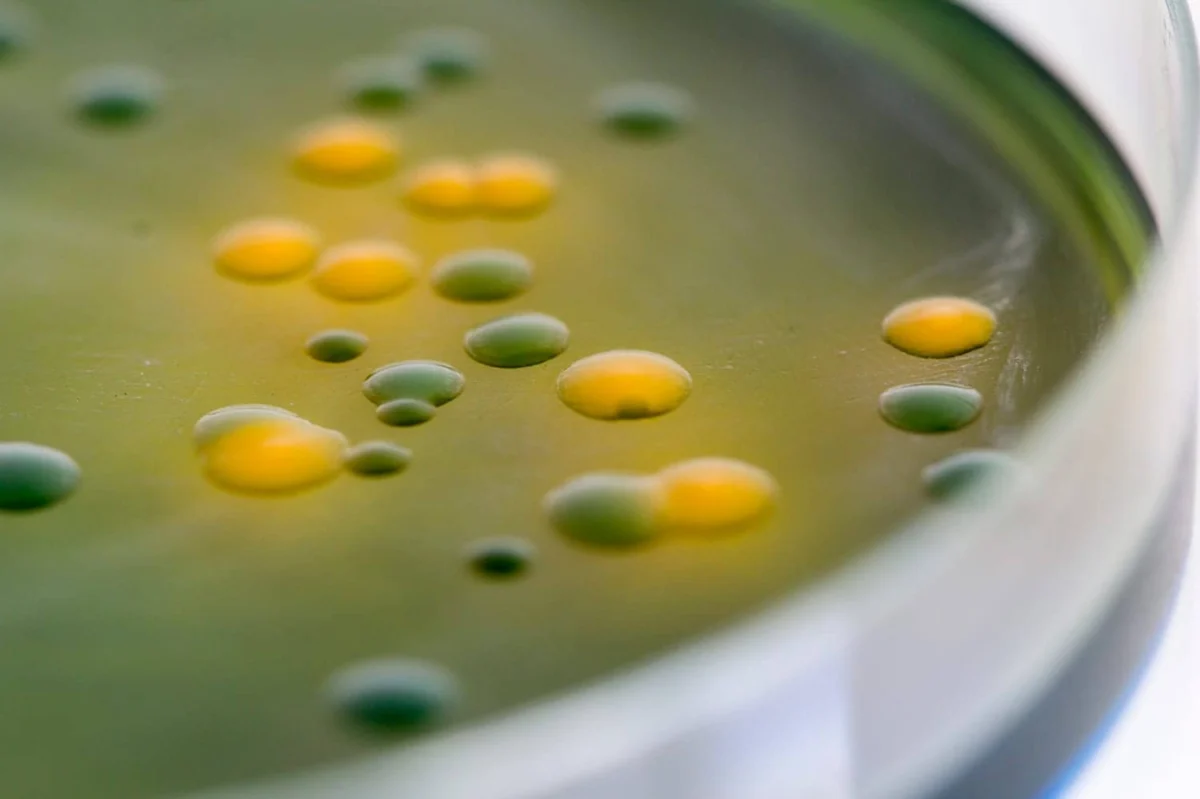
In the ongoing, high-stakes arms race between modern medicine and multidrug-resistant (MDR) pathogens, humanity has often relied on "blunt force" antibiotics—compounds that attempt to overwhelm bacteria through sheer chemical pressure. However, as these pathogens evolve, the efficacy of our conventional arsenal is waning. Now, a groundbreaking study from McMaster University suggests we have been looking at bacterial warfare through the wrong lens.
Researchers have identified a sophisticated, coordinated “megacluster” of genes within Streptomyces bacteria that functions less like a single bullet and more like a total tactical siege. By simultaneously targeting biotin (Vitamin B7) production across four different pathways, these bacteria effectively starve their rivals into submission. This discovery, published in the journal Nature, offers not just a new set of potential drugs, but a fundamental paradigm shift in how we might combat the global crisis of antimicrobial resistance.
Main Facts: The Anatomy of a Microbial Siege
The discovery centers on a previously unmapped stretch of DNA found within Streptomyces, a genus of soil bacteria long celebrated for its role in producing many of our most effective clinical antibiotics. Within this genetic sequence, researchers identified a massive, functional “megacluster” that encodes four distinct families of natural product antibiotics.
One of these compounds is entirely new to science, while another—previously known to exist—has now been identified as an antibiotic for the first time. The brilliance of this system lies in its unity of purpose. Rather than attacking the cell wall or protein synthesis in isolation, all four molecules converge on a single, non-negotiable metabolic requirement: biotin.
Biotin is an essential cofactor for nearly all living cells, facilitating critical chemical reactions required for fatty acid synthesis and energy production. By disabling a bacterium’s ability to manufacture, absorb, or utilize biotin, the Streptomyces megacluster induces a state of metabolic collapse in competing microbes.
A Chronology of the Discovery
The identification of this genetic "megacluster" did not happen overnight; it was the result of a multi-year investigation into the complex metabolic interactions of soil-dwelling bacteria.
- Initial Genomic Screening: The McMaster team, led by Eric Brown, a professor of biochemistry and biomedical sciences, began by analyzing the genetic blueprints of various Streptomyces species. They sought to understand why these bacteria were so successful at outcompeting rivals in resource-poor soil environments.
- The "Megacluster" Identification: Researchers noticed an unusual, highly conserved stretch of DNA. Unlike standard gene clusters, this segment was vast and contained multiple, distinct biosynthetic pathways co-located in a single genetic neighborhood.
- Target Identification: Using advanced biochemical assays, the team tracked the impact of these four compounds on rival bacterial cells. They observed that the presence of these compounds led to a complete cessation of biotin-dependent processes.
- Structural Confirmation: Through the use of advanced spectroscopy and genetic knockout models, the team confirmed that the cluster also included streptavidin genes—proteins that act as “biotin sponges,” binding up available vitamin B7 in the immediate environment.
- Validation: In the final stages of the study, the researchers moved to animal models of infection, testing the compounds against multidrug-resistant E. coli. The success of these compounds in vivo provided the final, critical piece of evidence that this natural defensive strategy could be translated into clinical therapy.
Supporting Data: Why Nutrient-Targeting is the New Frontier
For decades, the standard laboratory procedure for identifying new antibiotics has involved growing bacteria in nutrient-rich media. While this ensures the target bacteria grow quickly, it creates an artificial environment that masks the efficacy of certain antibiotics.
"Traditional laboratory methods often use media saturated with vitamins and nutrients," says Rodion Gordzevich, a postdoctoral fellow in Brown’s lab. "If you are testing a compound that works by starving a cell of a specific nutrient, the rich laboratory media essentially ‘rescues’ the bacteria, making the antibiotic look ineffective. We’ve been missing a massive reservoir of potential drugs simply because our testing environment was too comfortable."
The data from the McMaster study indicates that this biotin-targeting strategy is not a fluke of a single strain but is evolutionarily conserved across a wide swath of Streptomyces species. In fact, the team’s comparative genomic analysis revealed that this "megacluster" is more widespread across Streptomyces genomes than the genes responsible for producing streptomycin, a cornerstone antibiotic of the 20th century. This suggests that for millions of years, nature has prioritized this "siege" strategy as a primary means of survival.
Official Responses and Expert Perspectives
The research community has reacted to the study with significant enthusiasm, noting that the "siege" model addresses one of the most difficult challenges in infectious disease: the speed at which bacteria develop resistance.
"It’s an all-out, strategic, and coordinated attack," says Eric Brown. "Think of it like a medieval siege. You don’t just batter down the front gate. You cut off the water, you destroy the supply lines, you burn the grain stores, and you jam the communication lines. By the time the final assault happens, the city—or in this case, the rival bacterium—has no way to mount a defense."
Brown emphasizes that because the Streptomyces cluster utilizes four distinct mechanisms to hit one target, the evolutionary barrier for a rival bacterium to develop resistance is significantly higher. To survive, the pathogen would have to mutate simultaneously against four different chemical onslaughts, a feat that is statistically unlikely compared to developing resistance against a single-target drug.
Furthermore, the study’s focus on "nutrient-targeting" has sparked a conversation among microbiologists about the "dark matter" of antibiotic discovery—the thousands of compounds that have been discarded or ignored because they failed to show "potency" in nutrient-rich petri dishes.
Implications: The Future of Antibiotic Development
The implications for clinical medicine are profound. As we face the rise of "superbugs" that are resistant to nearly all existing classes of antibiotics, the ability to turn a bacterium’s own metabolic dependencies against it offers a path toward a new generation of therapeutics.
1. Hardening the Target
The most immediate implication is the potential to design "cocktail" therapies that mimic the Streptomyces megacluster. By combining existing antibiotics with nutrient-scavenging molecules, physicians could potentially force bacteria into a metabolic corner from which they cannot escape.
2. Redefining Screening Protocols
The McMaster study serves as a call to action for the pharmaceutical industry to revise its antibiotic screening protocols. Moving away from nutrient-rich growth media and toward environments that mimic the physiological conditions of the human body—or the competitive environments of the soil—could reveal a hidden library of antimicrobial compounds.
3. Combatting Resistance
Because the Streptomyces system is inherently multi-modal, it inherently reduces the likelihood of resistance evolution. In a clinical setting, this could translate to drugs that have a longer "shelf life" before bacteria eventually adapt to them, providing a much-needed reprieve in the war against hospital-acquired infections like MRSA and drug-resistant E. coli.
4. A New Class of "Biological Siege" Drugs
The study opens the door to creating therapies that don’t just kill, but disable. By engineering synthetic mimics of the streptavidin-like proteins found in the megacluster, researchers could develop drugs that act as "biotin traps," rendering the host environment inhospitable to invasive pathogens while sparing the patient’s own microbiome, which may have different nutritional requirements.
Conclusion: A Lesson from the Soil
The history of medicine is a history of looking down at our feet and finding the answers in the dirt. From the discovery of penicillin in a forgotten mold culture to the identification of this new biotin-targeting megacluster, the soil remains our most fertile ground for innovation.
The research conducted at McMaster University provides more than just a chemical pathway; it provides a philosophy. By understanding how Streptomyces have survived for millions of years in the brutal, competitive landscape of the soil, we have gained a blueprint for our own survival. As we move forward, the "siege" strategy may well prove to be the key to turning the tide against the greatest threat to modern medicine: the rise of the unstoppable, multidrug-resistant infection.
The battle is far from over, but for the first time in a long time, the tactical advantage may be shifting back in our direction.