







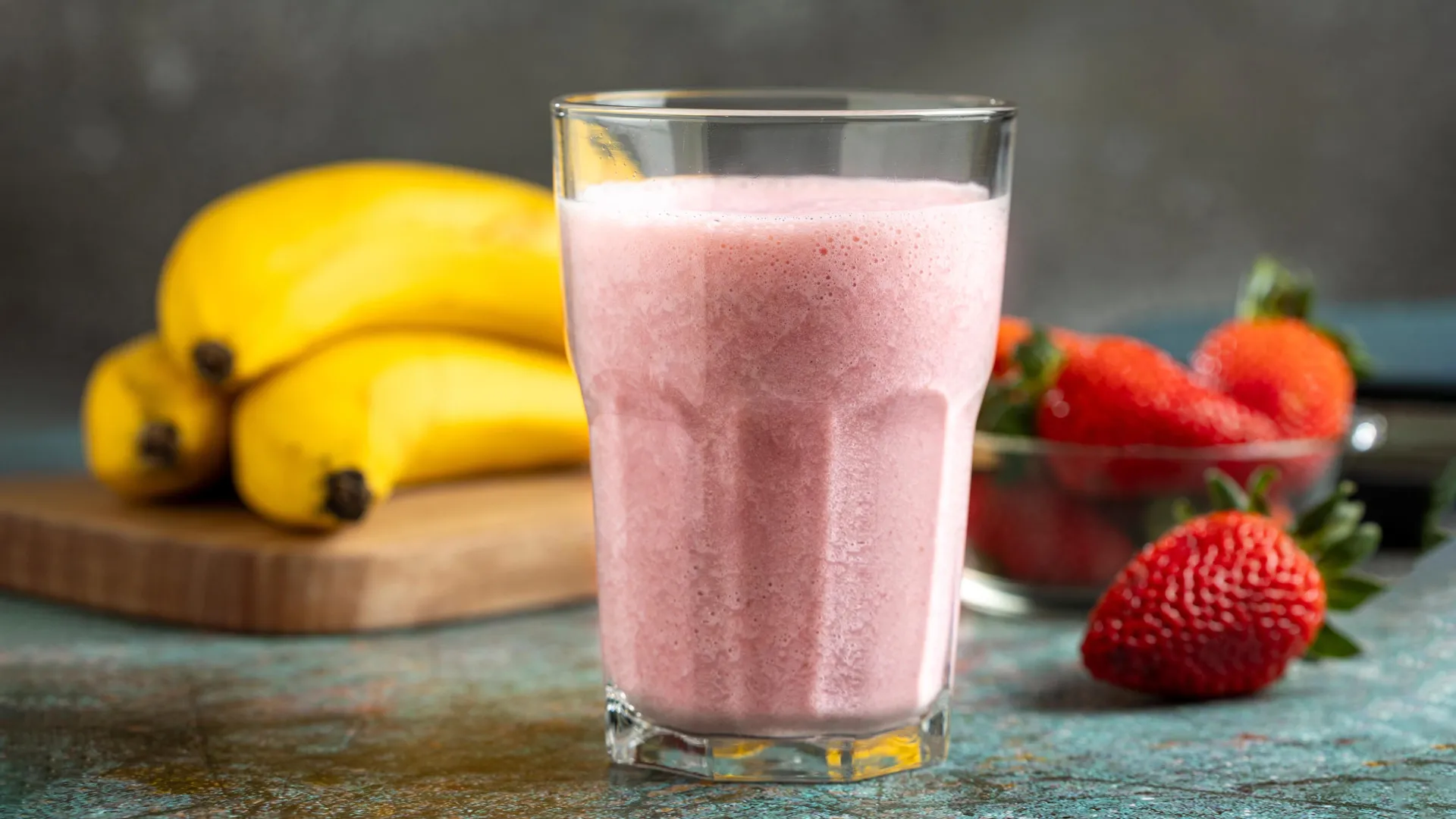
For millions of health-conscious consumers, the morning smoothie represents the pinnacle of efficient nutrition. With a few pulses of a blender, a chaotic assortment of fruits, seeds, and liquids transforms into a vibrant, nutrient-dense beverage. It is a ritual of convenience, designed to pack a day’s worth of antioxidants and vitamins into a single, portable glass. However, new research from the University of California, Davis, suggests that our favorite smoothie combinations might be working against us.
While the ingredients themselves—bananas, blueberries, cocoa, and grapes—are individually lauded as superfoods, their interaction within a blender could be significantly reducing the nutritional "payoff" your body receives. The culprit is a common enzyme known as polyphenol oxidase (PPO), and its presence in your favorite fruit could be stripping your body of essential heart-healthy compounds.
The Main Facts: The PPO Interference
At the heart of this nutritional puzzle are flavanols—natural plant compounds that have been extensively linked to improved cardiovascular function, blood pressure regulation, and cognitive health. Found abundantly in foods like apples, pears, berries, grapes, and cocoa, flavanols are the "gold standard" of bioactive nutrients.
The UC Davis study, published in the journal Food & Function, highlights a critical biochemical interaction: when high-PPO fruits are blended with flavanol-rich ingredients, the enzyme effectively degrades the flavanols before they can be absorbed by the body.
"We sought to understand, on a very practical level, how a common food and food preparation like a banana-based smoothie could affect the availability of flavanols to be absorbed after intake," says lead author Javier Ottaviani, director of the Core Laboratory of Mars Edge and an adjunct researcher at the UC Davis Department of Nutrition.
The study reveals that the simple act of blending a banana—a high-PPO fruit—into a berry smoothie can reduce the absorption of flavanols by as much as 84%. This is not a matter of the banana being "unhealthy"; rather, it is a matter of chemical compatibility.
A Chronology of the Discovery
The investigation into this phenomenon began with a simple observation: the browning of fruit. Anyone who has sliced an apple or peeled a banana has witnessed PPO in action. When fruit tissue is damaged—whether by a knife, a bruise, or the high-speed blades of a blender—PPO is released. Upon exposure to air, the enzyme triggers an oxidation process that turns the fruit brown.
Researchers at UC Davis hypothesized that this enzymatic process might not stop at the browning of the fruit. They questioned whether PPO, once activated by the blending process, continued to act upon other compounds within the smoothie mixture, specifically targeting the beneficial flavanols.
To test this, the research team conducted a controlled study involving freshly prepared smoothies. They categorized ingredients by their PPO activity:
- High-PPO Ingredients: Bananas (the primary subject of investigation).
- Low-PPO Ingredients: Mixed berries (blueberries, blackberries, etc.).
In the first phase of the study, participants were served a banana-based smoothie, a low-PPO berry smoothie, and a flavanol capsule (the control). Researchers then meticulously analyzed the participants’ blood and urine samples to track the absorption rates of the flavanols. The results were immediate and startling. The banana-based smoothie saw an 84% reduction in flavanol levels compared to the control group, whereas the low-PPO berry smoothie maintained levels consistent with the capsule.
In a secondary test, the researchers kept the flavanols separate from the banana-based liquid until the moment of consumption. Even in this scenario, the flavanol levels were still significantly reduced, suggesting that PPO activity continues to function even after the smoothie has been ingested, likely continuing its work within the acidic environment of the stomach.
Supporting Data and the Flavanol Requirement
The Academy of Nutrition and Dietetics currently recommends a daily intake of 400 to 600 milligrams of flavanols to support cardiometabolic health. These compounds are not merely "nice-to-have" nutrients; they are essential drivers of vascular health.
The data provided by the UC Davis team serves as a cautionary tale for those who rely on smoothies to meet these daily requirements. If a consumer blends a handful of blueberries with a banana to "boost" their health, they may be unwittingly negating the very benefits they sought to achieve.
The research also dovetails with larger, ongoing investigations into flavanol efficacy, such as the COSMOS-related programs. While some studies on cocoa flavanols have shown nuanced results regarding cognitive benefits—often suggesting more significant impacts on older adults with lower diet quality—the consensus remains that maximizing the absorption of these compounds is vital for long-term health. The UC Davis study provides the "how-to" for the average consumer, turning abstract biochemistry into actionable dietary advice.
Official Responses and Expert Consensus
Nutrition experts have reacted to the findings with a mix of intrigue and tempered caution. While the data is robust, researchers are careful to note that the study—which involved 8 to 11 participants—is relatively small.
"The findings do not mean bananas are bad for you," notes Ottaviani. "Bananas provide fiber, potassium, and other nutrients, and they can still be part of a healthy diet."
Dr. Jennifer Kimball and the broader team at UC Davis emphasize that there is no need for panic. The human diet is complex, and the body’s metabolic processes are highly adaptive. The goal of this research is not to banish bananas, but to encourage a more informed approach to food preparation.
Other nutritionists point out that the body processes a wide array of compounds simultaneously. A single smoothie, even one with a reduced flavanol count, still contributes to the overall nutrient density of one’s diet. The takeaway is not the elimination of ingredients, but rather the optimization of "ingredient architecture."
Implications: Changing How We Blend
The implications of this study extend far beyond the kitchen blender. It opens a new frontier in nutritional science: the study of "bioactive interactions." For years, nutritionists focused on the total nutrient content of individual foods. Now, there is a growing recognition that how we prepare and combine foods is just as important as what we eat.
Practical Strategies for the Health-Conscious
If your primary goal for a smoothie is to maximize the absorption of heart-healthy flavanols, consider these adjustments:
- Swap the Base: If you are using berries, grapes, or cocoa as your primary flavanol source, swap the banana for a low-PPO alternative. Excellent options include pineapple, oranges, or mango. These fruits provide the desired sweetness and creamy texture without the enzymatic interference.
- The Yogurt Advantage: Incorporating Greek yogurt or plant-based yogurts can provide the necessary texture for a smoothie while maintaining a low-PPO profile, ensuring your berries’ benefits remain intact.
- Separate and Conquer: If you simply cannot live without a banana in your smoothie, consider eating the banana separately. By allowing the banana to digest independently, you bypass the blending-induced PPO activation that occurs when the fruits are pulverized together.
- Beyond the Smoothie: The research hints that other preparation methods—such as those used for tea or other plant-based extracts—could also be impacted by PPO or similar enzymes. As research progresses, we may find that temperature, pH levels, and preparation time all play a role in the bioavailability of our food.
A Call for Further Investigation
As the field of nutrition evolves, the UC Davis study acts as a vital reminder that our understanding of human health is still in its infancy. The interactions between plant bioactives are complex, and what we once considered a "perfect" health drink may actually be a study in biochemical competition.
Ottaviani and his colleagues remain optimistic about future research. "This is certainly an area that deserves more attention in the field of polyphenols and bioactive compounds in general," he says. The team believes that by better understanding how these enzymes interact, we can create more effective dietary guidelines that maximize the medicinal potential of the foods we eat every day.
For now, the advice is simple: be mindful of your combinations. While the smoothie remains one of the most efficient tools in the modern diet, a little bit of chemistry can go a long way in ensuring that every sip is truly as healthy as it seems. Whether you are aiming for better blood pressure, sharper cognition, or just a boost in daily energy, the secret to a better smoothie lies in the science of the blend.