For country artist Zack John King, the road to stardom is paved with more than just hit records and sold-out venues. It is a grueling, often sedentary marathon that demands a level of physical and mental preparation rarely discussed in the glossy world of music PR. As he prepares for the August 28th release of his 20-song debut album, I’m What You Get, King is redefining what it means to be a modern country star—not by chasing the next trend, but by mastering the art of the "tour ritual."
In an industry that often celebrates excess, King has emerged as an unlikely poster boy for disciplined living. His philosophy is simple: longevity isn’t just about staying on the road; it’s about having the physical and mental capacity to enjoy the journey.
The Reality of the "Sedentary" Tour Life
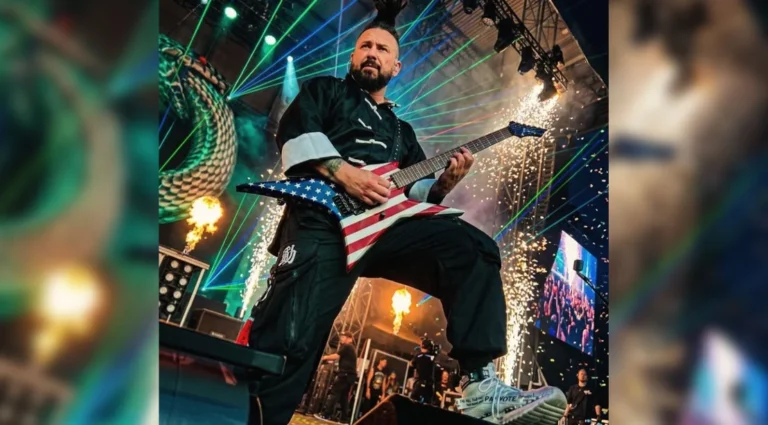
To the average fan, the life of a touring musician looks like a blur of high-energy performances, travel, and non-stop movement. King, however, is quick to pull back the curtain on the paradox of the tour bus. "You sleep, you get off the bus, you soundcheck, you get back on the bus, you play a show, you get back on the bus," he explains.
Despite the physical output required for a live set, the remaining 23 hours of the day are largely spent in a state of stasis. This sedentary reality, combined with the erratic sleep schedules and high-stress environment of life on the road, has forced King to treat his body like a high-performance machine. He refuses to let the adrenaline of the stage serve as an excuse for poor nutritional choices.
Instead, he has standardized his fuel. His diet is anchored by lean proteins, vegetables, and, perhaps surprisingly, potatoes. He cites potatoes as a nutritional cornerstone, providing the sustained energy needed to power through back-to-back shows without the inflammatory impact of processed convenience foods. Furthermore, he has significantly curtailed his alcohol intake, recognizing that a weekend of indulgence can effectively neutralize a week’s worth of physical progress.
Chronology of a Ritual: Staying Sharp on the Road
King’s commitment to health is not a solo endeavor; it is a cultural pillar he has built within his band and crew. This structure is best evidenced by their daily "recess."
- Afternoon Reset: Every day, regardless of the city or venue, King and his band dedicate 30 minutes to high-intensity movement. This isn’t just about caloric burn; it is about breaking the physical stagnation of the tour bus. Whether it’s a circuit workout or a game of football, the goal is to get the heart rate up and the blood flowing.
- The Pre-Show Protocol: Moments before stepping onto the stage, the group performs a collective set of 15 to 20 pushups. While some might argue that tiring the arms before a performance is counterproductive, King views this as a vital mental reset. It is a physical act of camaraderie that allows the group to loosen up, shed the stress of the day, and enter the stage with a unified, intentional focus.
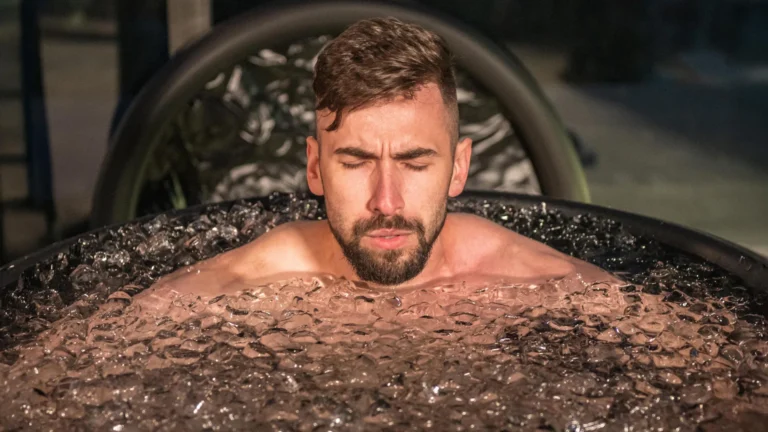
- The Sauna Recovery: Post-show, the focus shifts from activation to recovery. While King has experimented with cold plunges, he finds them too stimulating for his late-night wind-down. Instead, he favors 20 minutes in the sauna. This ritual serves to quiet the nervous system, allowing his body to transition from the chaotic energy of the crowd to a state of restorative rest.
Supporting Data: Why King is Exploring Peptides
King’s approach to wellness is analytical and cautious. He is not looking for shortcuts or "magic pills," but rather targeted interventions to address specific, long-term health concerns. A major focus for him is the management of chronic inflammation and lifelong eczema—a condition that has plagued him for years.
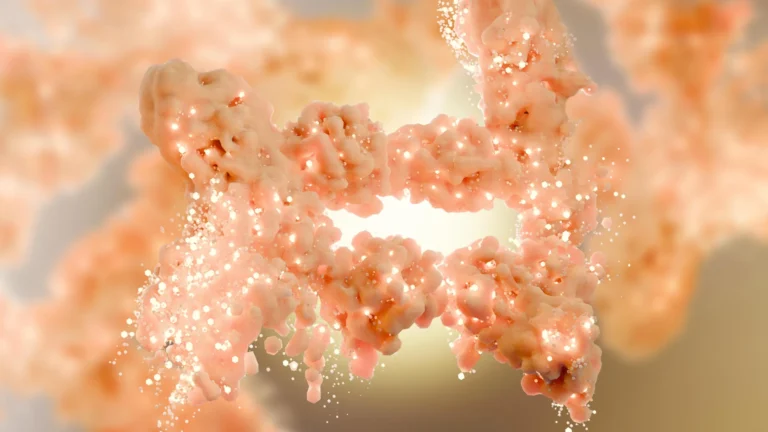
The toll of inconsistent sleep, travel-induced stress, and the demands of the road has impacted his gut health, leading him to explore peptide protocols. He views these not as performance enhancers for vanity, but as tools for systemic support. By prioritizing skin health and gut function, King is attempting to strengthen his body from the inside out.
His strategy is multifaceted. Alongside the peptides, he utilizes anti-inflammatory staples like turmeric and ashwagandha. This is all part of a larger, deliberate plan to increase lean muscle mass. By optimizing his metabolism and recovery, he believes he can make better use of his high-protein diet, ensuring that his physical form is a byproduct of his health, rather than a forced result of gym-only intensity.
Official Stance: The Importance of the Inner Circle
Perhaps the most significant aspect of King’s health regimen is his accountability structure. He is adamant that a strong body requires a strong circle. In an industry where "yes-men" and sycophants are the norm, King intentionally surrounds himself with people who are unimpressed by his celebrity.
"They’re checking on me," he says, "not checking on what I do."
This distinction is the cornerstone of his mental health strategy. King relies on his parents and a weekly men’s Bible study consisting of Nashville professionals who leave the music business at the door. In these sessions, the conversation never touches on streaming numbers or record deals. Instead, the focus is on faith, marriage, and the realities of life. This helps King anchor his identity in something that cannot be stripped away by a bad review or a dip in the charts.
He acknowledges that the industry can trick the brain into thinking that life is solely about the individual. By intentionally focusing on selflessness and contributing to the lives of others, he avoids the trap of narcissism that often derails young talent.
The Challenge of Numbness: Addressing Mental Health
For Men’s Mental Health Month, King offered a candid look at the psychological toll of performance. He speaks openly about the "numbness" that can result from the high-octane life of a touring artist.
"The threshold is nearly impossible now," he admits, noting that the adrenaline rush of performing for 60,000 people creates a dopamine peak that real life struggles to replicate. When a career is built on such extreme highs, the mundane events of daily life can feel emotionally flat, leading to a state of dangerous emotional neutrality.
King’s journey is one of learning how to "feel again." He is actively working to lower his threshold for satisfaction, seeking to find meaning in the small, quiet moments of life just as he does in the roar of the crowd. He is transparent about his failures in this area, noting that he is "not good at it yet," but the commitment to vulnerability is what sets his narrative apart.
Implications: A New Era of Authenticity
All of these themes—the fitness rituals, the peptides, the faith, and the struggle for emotional balance—are woven directly into the fabric of his debut album, I’m What You Get.
King did not opt for a safe, industry-standard debut. He chose a sprawling, 20-song collection that serves as a musical autobiography. The album doesn’t hide behind the polish of modern production; it embraces the setbacks, the growth, and the imperfections of his journey.
"I wanted to make a project that took all the good and the bad parts of me and just laid it out there," King states.
The implication for his fans and the music industry is clear: authenticity is the only currency with true staying power. By refusing to chase perfection and instead choosing to pursue a version of himself that is healthy, accountable, and grounded, Zack John King is establishing a blueprint for a career that aims to last decades, not just a single release cycle.
Whether he is in the gym, on the stage, or in a moment of quiet reflection, King is proving that he is exactly what his title suggests: a man who has decided that the only way to succeed is to show up, fully, as himself.