






For many, the aroma of browning butter is the quintessential scent of home. It is a staple of culinary comfort, a golden foundation for everything from morning toast to intricate holiday pastries. Yet, beneath the familiar sheen of a butter pat or the convenient spreadability of a margarine tub lies a complex world of food science. As our understanding of nutrition and chemistry has evolved, so too has the debate over which of these kitchen workhorses deserves a place in our pantries.
To understand why a recipe might fail when you swap butter for margarine—or why a nutritionist might recommend one over the other—we must look past the labels and into the molecular architecture of these everyday fats.
The Molecular Architecture: Understanding the Fat Matrix
At the most fundamental level, both butter and margarine are emulsions: microscopic droplets of water suspended within a continuous matrix of fat. This fat is primarily composed of triglycerides, the most common form of dietary fat.
Triglyceride Structure and Saturation
A triglyceride molecule consists of a three-carbon glycerol "backbone" attached to three fatty acid chains. The length and shape of these chains dictate the physical properties of the fat.
Butter is predominantly composed of saturated fatty acids. Because these chains have no double bonds, they are straight and can pack together tightly, forming solid, stable crystals at room temperature. This crystalline structure is what gives butter its characteristic firmness. Conversely, margarine is derived from plant-based oils, which are rich in unsaturated fatty acids. These molecules contain "kinks" caused by double bonds, which prevent the molecules from stacking neatly. This molecular irregularity is precisely why plant oils remain liquid at room temperature and why margarine requires industrial intervention to become a solid stick.
A Chronology of Culinary Evolution
The story of these two fats is one of historical necessity and scientific ingenuity.
- The Age of Butter: For centuries, butter reigned supreme as the primary cooking fat. Its production was a localized, labor-intensive process. By churning cream, producers would rupture fat globules, allowing the fat to coalesce into semi-solid grains, separating from the watery, low-fat buttermilk.
- The Rise of Margarine: In the 19th and early 20th centuries, as urbanization increased and the price of butter soared, scientists sought affordable alternatives. The invention of margarine—initially made from animal fats and later from vegetable oils—represented a landmark shift in food technology.
- The Modern Era: Today, food science has refined these processes. Modern margarine is often produced through a method called interesterification. This process chemically rearranges the fatty acids on the glycerol backbone to create a more uniform, solid structure without the need for the dangerous partially hydrogenated oils that once defined the category.
Supporting Data: Composition and Standards
To appreciate the differences, one must look at the technical specifications that govern these products.
The Standard of Identity
In the United States, "butter" is a strictly regulated term. It is one of the oldest food standards in the country, requiring a minimum of 80% fat content, though premium varieties often reach 85%. The remaining 15–20% consists of water, lactose, proteins, and trace vitamins.
The Margarine Spectrum
Margarine and spreadable products do not adhere to the same rigid standards. While stick margarines are formulated to mimic the 80% fat content of butter to ensure baking success, "spreads" and "squeeze" versions often contain significantly higher water and air content. This dilution makes them unsuitable for baking, as they lack the structural integrity required to support the crumb of a cake or the lamination of a pastry.
The Beta-Carotene Factor
Butter’s golden hue is a biological byproduct of the cows’ diet. They consume grass rich in beta-carotene; however, because they do not fully metabolize the pigment, it is deposited into their milk fat. Margarine, being naturally colorless, relies on the addition of synthetic beta-carotene and flavorings—such as diacetyl—to replicate the sensory experience of butter.
Culinary Implications: Why the Swap Doesn’t Always Work
When a recipe calls for butter, the science of baking often relies on specific chemical interactions that margarine cannot replicate.
Browning and Maillard Reactions
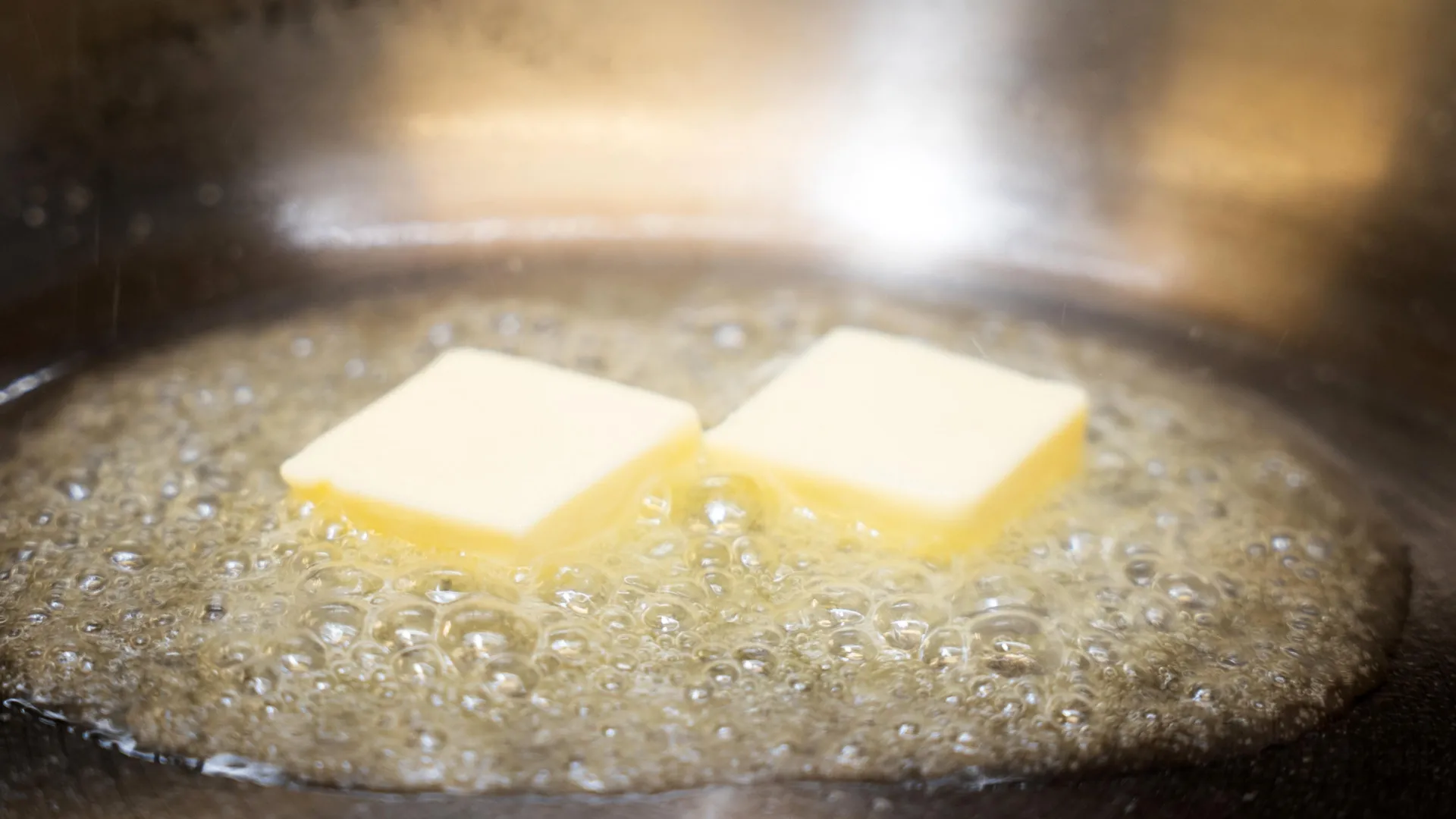
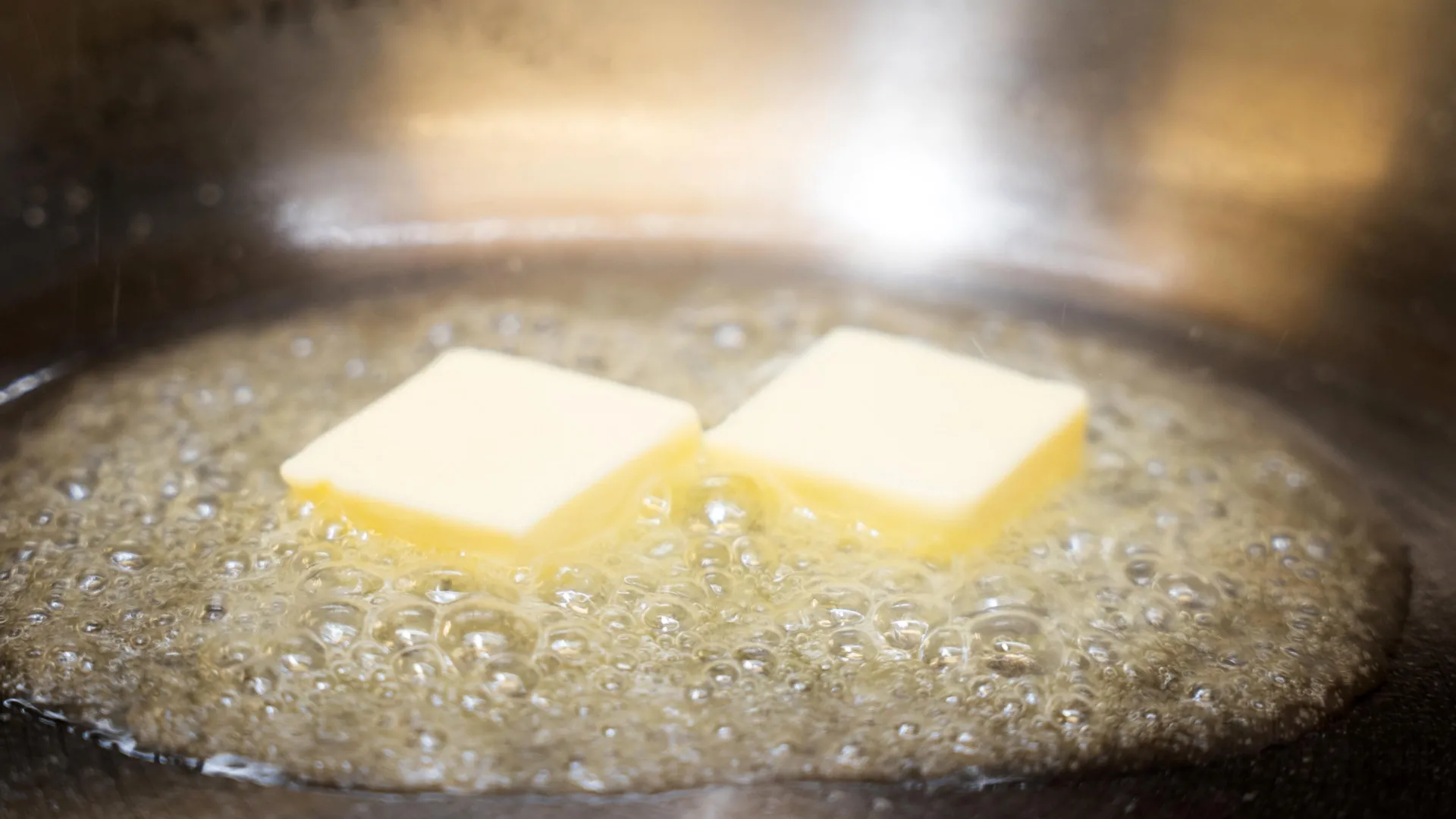
When butter is heated, the milk solids (lactose and protein) undergo the Maillard reaction—a complex chemical process that creates a nutty, caramelized flavor and deep brown color. Because margarine lacks these specific milk proteins, it simply will not brown or produce the same aromatic depth, regardless of how long it is heated.
The Role of Steam
Butter contains approximately 16% water. In a hot oven, this water turns to steam. In puff pastry or croissants, this steam is trapped between layers of dough, creating the distinct, airy flakiness we crave. Because water content in margarine can vary significantly, the "steam lift" is often inconsistent, leading to denser, less impressive results in delicate baked goods.
The Health Debate: Official Perspectives and Nuance
The public health narrative surrounding these fats has been a pendulum. For decades, the medical community championed margarine as a heart-healthy alternative to the saturated fats found in butter. However, the discovery that the industrial process of hydrogenation created trans fats—which are strongly linked to cardiovascular disease and elevated cholesterol—shifted the focus back to the dangers of "ultraprocessed" foods.
The Modern View
Today, the consensus is more nuanced. Margarine is, by definition, an ultraprocessed food, often containing preservatives, emulsifiers like lecithin, and added flavorings. While it remains lower in saturated fat than butter, it lacks the "whole food" status that consumers increasingly value. Butter, while high in saturated fat, is a natural product with a simple ingredient list.
As a food scientist, I often remind students that the choice between butter and margarine should be based on the intended outcome. If you are baking a delicate financier or a flaky pie crust, butter is chemically superior. If you are looking for a spread that is easily manipulated or fits specific dietary requirements regarding saturated fat, modern margarines provide a reliable, stable alternative.
Conclusion: The Informed Kitchen
Understanding the difference between butter and margarine is more than an academic exercise; it is a tool for better cooking. By recognizing that butter is a complex biological emulsion that offers browning, steam-leavening, and natural flavor, and that margarine is an engineered fat designed for consistency, stability, and specific nutritional profiles, the home cook gains control.
We live in an age where food labeling is clearer than ever, yet the confusion persists. Whether you choose the rich, cultured tang of traditional butter or the consistent, plant-based structure of modern margarine, you are participating in a long history of food science. The next time you reach for a stick in the refrigerator, consider the chemistry behind the spread—your palate and your pastries will thank you.