







By Elise Reuter | Published June 26, 2026
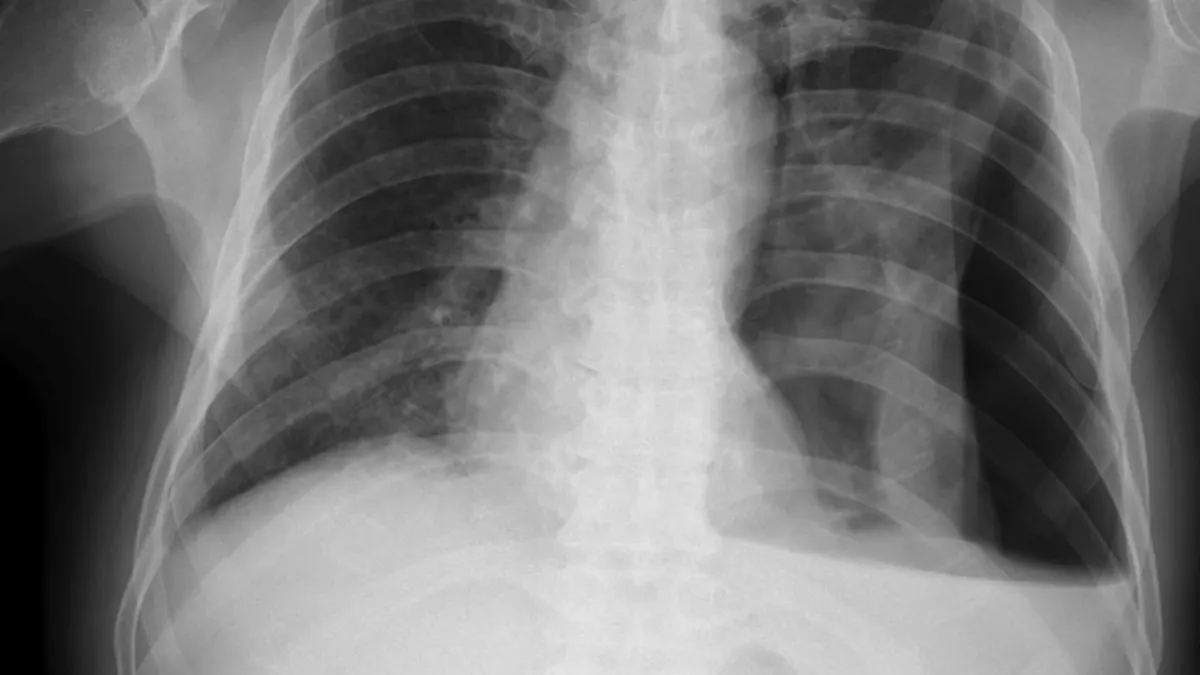
In a significant milestone for medical imaging and diagnostic technology, the U.S. Food and Drug Administration (FDA) has granted breakthrough device designation to a pioneering artificial intelligence (AI) feature developed by Aidoc. The technology is designed to analyze chest X-rays and autonomously generate preliminary reports for more than 100 distinct clinical findings, marking a transformative step in how radiologists interact with diagnostic data.
This development arrives as the medical community grapples with increasing imaging volumes and the persistent demand for greater efficiency in hospital radiology departments. By leveraging advanced machine learning, Aidoc aims to reduce the time-intensive process of report drafting, allowing clinicians to focus their expertise on complex diagnostic interpretation.
Main Facts: The Evolution of Diagnostic Efficiency
The breakthrough designation is more than a regulatory stamp of approval; it is a signal of the FDA’s recognition of the technology’s potential to address critical gaps in clinical care. Aidoc’s new feature utilizes an architecture similar to its existing, successful applications that triage findings in CT scans. However, this iteration moves beyond simple prioritization to the generation of structured, preliminary reports.
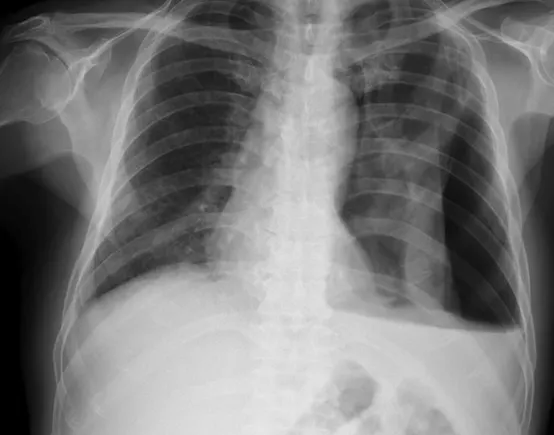
The platform is designed to identify over 100 clinical findings in a chest X-ray—a high-stakes diagnostic procedure used to detect everything from pneumonia and pneumothorax to cardiac enlargement and skeletal anomalies. By automating the draft report generation, Aidoc intends to streamline the clinical workflow. The company has clarified that this tool, referred to as "First Read," is distinct from their established worklist-prioritization algorithms. While the latter ensures that critical cases reach the top of a radiologist’s list, First Read functions as a productivity partner, effectively "pre-filling" the diagnostic narrative for the physician to review, edit, and sign off on.
Chronology of Development and Regulatory Engagement
The path to this breakthrough designation reflects the rapid maturation of clinical AI over the past several years:
- Foundation Building (Pre-2024): Aidoc established itself as a leader in clinical AI by focusing on CT triage, successfully deploying tools in thousands of hospitals to flag time-sensitive emergencies like intracranial hemorrhages and pulmonary embolisms.
- The Funding Surge (April 2026): Building on years of clinical data, Aidoc successfully raised $150 million in a financing round. This capital was specifically earmarked to advance the development of "Foundation Models"—large-scale AI architectures that are more versatile and accurate than traditional, narrow-task models.
- Regulatory Submission (Early 2026): Aidoc engaged with the FDA under the Breakthrough Devices Program, which is reserved for technologies that provide more effective treatment or diagnosis of life-threatening or irreversibly debilitating conditions.
- The Designation (June 26, 2026): The FDA officially granted the breakthrough designation, acknowledging that the tool could significantly shorten the diagnostic timeline for chest imaging, which remains the most common form of medical imaging globally.
Supporting Data: The Scale of Clinical Impact
The adoption of Aidoc’s technology is already extensive, with the platform currently integrated into more than 2,000 hospitals worldwide. The sheer volume of imaging data flowing through these systems provides a robust training ground for their models.
The decision to target chest X-rays is rooted in clinical necessity. According to various radiological associations, chest X-rays account for the plurality of all diagnostic imaging procedures. Yet, the demand on radiologists—who must often interpret dozens of images per hour—leads to fatigue, which can contribute to diagnostic errors or delays.
Furthermore, the integration of generative AI into medical devices is gaining momentum across the industry. Just a day prior to this announcement, UpDoc secured FDA clearance for a platform utilizing large language models (LLMs) for real-time patient care. This suggests a shift in the regulatory landscape: the FDA is increasingly comfortable with AI that doesn’t just "see" an image, but "interprets" it into human-readable clinical text.
Implications for Healthcare and Regulatory Policy
The integration of generative AI into diagnostic reporting raises profound questions regarding accountability and clinical workflow.

The Regulatory Gray Area
While the FDA has been proactive in hosting advisory panels regarding AI, it has yet to formalize a comprehensive regulatory framework specifically for generative AI in clinical settings. The agency issued draft guidance in early 2025 focusing on transparency, the mitigation of algorithmic bias, and post-market monitoring. However, as of June 2026, these guidelines remain in draft form.
This creates a dual reality for manufacturers: while the Breakthrough Devices Program provides a fast-track for innovation, the lack of final, standardized regulations means that companies like Aidoc must navigate a rigorous, case-by-case evaluation process. The FDA’s primary concern remains the "black box" nature of AI—ensuring that the model’s reasoning is consistent, explainable, and free from the hallucinations often associated with standard LLMs.
The Radiologist’s Role
The implementation of "First Read" technology is unlikely to replace the radiologist, but it will fundamentally change the job description. Instead of starting from a blank page, the radiologist becomes an editor and auditor of AI-generated insights. This shift could theoretically reduce burnout, increase the speed of patient throughput in emergency departments, and ensure that subtle findings—which might be missed during a high-volume shift—are caught early.
Patient Outcomes
The ultimate goal is the acceleration of clinical decision-making. If a preliminary report is generated in seconds rather than minutes, the downstream effects on patient care are significant. In the context of a pneumothorax (a collapsed lung), every minute saved in the diagnostic phase translates directly into faster intervention.
Looking Ahead: The Future of Clinical Foundation Models
As Aidoc moves toward finalizing its chest X-ray reporting tool, the industry will be watching closely to see how the company handles the challenge of "hallucinations"—where an AI might report a finding that isn’t present in the image. The company’s ability to leverage its massive, global dataset to create a "clinical-grade" foundation model will be the ultimate test of their $150 million investment.

The broader implications are clear: we are entering an era where AI is moving from a "triage assistant" to a "clinical contributor." While the regulatory path remains fluid, the momentum behind AI-driven reporting is undeniable. For hospitals, this represents an opportunity to handle the rising complexity of modern medicine; for the FDA, it represents a high-stakes challenge to ensure that innovation does not outpace patient safety.
As Aidoc continues to refine its models, the synergy between human expertise and machine speed will likely become the new standard of care in radiology departments around the world. The breakthrough designation is not just an award for the company; it is a harbinger of a more automated, efficient, and potentially safer future for medical diagnostics.