








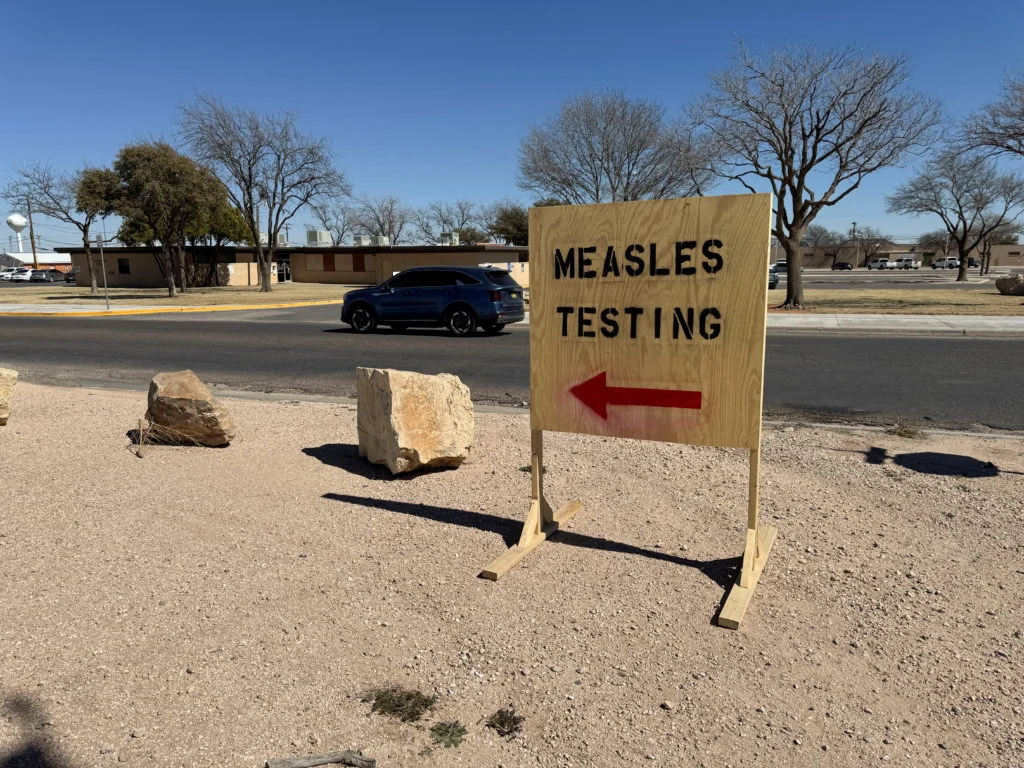
For over a year, the state of Utah has been locked in an arduous struggle against a resurgence of measles, a disease once declared eliminated in the United States. Since the first outbreak was identified on June 20, 2025, the virus has cut a path through nearly every corner of the state, infecting more than 680 individuals. This prolonged siege is more than a local health crisis; it serves as a grim barometer for the nation’s public health, casting a long shadow over the United States’ ability to maintain its official “measles-free” designation.
As health officials monitor the cooling temperatures of autumn and the impending pressures of the school year, they are bracing for what could be a dangerous resurgence. The persistence of the virus in Utah, once considered a manageable localized issue, now threatens to jeopardize the hard-won gains in immunization that have protected American children for decades.
A Chronology of Contagion
The timeline of the current crisis is a testament to the hyper-contagious nature of the measles virus. Following the initial emergence in June 2025, the virus moved with alarming speed. Unlike isolated outbreaks seen previously in states like Arizona or South Carolina, Utah’s experience has been characterized by its reach. The virus has successfully bypassed geographical barriers, embedding itself in 22 of the state’s 29 counties.
A pivotal moment in the timeline occurred in February, when a high school wrestling championship served as a super-spreader event. The exposure at this single youth sporting event resulted in at least 46 confirmed cases, demonstrating how quickly a virus can migrate from a controlled venue into schools, households, and grocery stores.
The spring months saw a specific concentration of cases in the “tricounty” region—comprising Daggett, Duchesne, and Uintah counties. Following the wrestling tournament, the virus found fertile ground in this rural, undervaccinated area, leading to 74 cases in a short window. The progression from event-based exposure to community-wide transmission highlights the "flicker effect" of measles: it only takes one point of entry to ignite a series of outbreaks that can last for months.
The Science of the Surge: Vaccination Gaps
The primary engine driving this crisis is a systemic decline in childhood vaccination rates. To maintain "herd immunity"—the threshold at which a virus struggles to find new hosts—a community requires a 95% vaccination rate. Utah currently falls well short of this mark, with a statewide average of 12.8% of kindergarteners missing their measles, mumps, and rubella (MMR) vaccines.
In the northeastern tricounty region, the situation is even more precarious, with over 16% of kindergarteners unvaccinated. This vulnerability is not merely a result of logistics but is deeply rooted in rising vaccine hesitancy. Public health officials have spent the better part of the year attempting to navigate this sentiment.
The measles vaccine is widely regarded as one of the most effective tools in modern medicine, offering 97% protection after two doses. However, the virus remains one of the most contagious pathogens known to science. Beyond the immediate symptoms—high fever, characteristic rash, coughing, and potential diarrhea—the virus poses severe long-term risks. Complications can include pneumonia, encephalitis (brain swelling), and blindness. Even more haunting is the prospect of subacute sclerosing panencephalitis (SSPE), a fatal degenerative brain disease that can manifest a decade after the initial infection.
Official Responses: From Policing to Partnership
The response of the Utah health departments has been characterized by a strategic pivot. Early in the outbreak, officials relied on traditional mitigation: excluding unvaccinated students from schools and enforcing strict isolation protocols. Yet, they quickly realized that a punitive approach only deepened the divide between the public and health authorities.
Cyndie Mattinson, an infectious disease specialist with the TriCounty Health Department, shared a poignant anecdote of a parent who feared judgment. This fear is a common barrier in rural and tight-knit communities where public health directives are often viewed through a political or social lens. By shifting the narrative from “policing” to “providing a resource,” local health workers managed to rebuild trust.
“The perceptions were changed that we weren’t out there to police, we were there to be a help and a resource to the community,” Mattinson noted. This empathetic approach to public health communication is now being studied as a model for addressing vaccine hesitancy in other regions. Despite the success in de-escalating tensions, state epidemiologist Leisha Nolen remains cautious. “It’s still here, it’s still transmitting,” she warned. “We just need those few cases to hit the wrong community and it could flare up really big again.”
Implications for U.S. Elimination Status
The national stakes could not be higher. Public health bodies define the elimination of measles as the absence of continuous transmission within a country for at least one year. With national case counts having reached 2,104 by mid-June 2025—surpassing the record-breaking figures of previous years—the U.S. is on the precipice of losing its elimination status.
In November, an international panel of experts will convene to evaluate whether the United States and Mexico have effectively contained the virus. Canada has already lost its status, a sobering precedent that looms over the discussions. The concern is that if the U.S. loses this designation, it will signal a fundamental failure of the public health infrastructure to maintain the social contract of community immunity.
Dr. Ellie Brownstein, a Salt Lake City pediatrician and president-elect of the state’s American Academy of Pediatrics chapter, has been at the forefront of the policy battle. Her advocacy against legislation that would have loosened school vaccine waivers highlighted the ongoing conflict between public health mandates and individual liberty. Reflecting on the year-long battle, Brownstein’s outlook is somber. “I don’t know that we get it to end,” she admitted. “I don’t know that we’re going to get this genie back in the box because there’s enough people out there to spread it.”
Conclusion: The Long Road Ahead
The Utah measles outbreak is a microcosm of a global challenge: the erosion of trust in medical science and the consequences of complacency. While the state has successfully avoided a total collapse of its healthcare system, the cost of the past year has been measured in lost school days, emergency room visits, and the quiet, persistent anxiety of parents with immunocompromised children.
As the state moves into the fall, the focus remains on outreach and the slow, steady work of catching up on missed immunizations. The “tricounty” success story suggests that when health officials treat hesitant parents with empathy rather than hostility, hearts and minds can be changed. However, the macro-level challenge remains. Without a broader cultural reckoning regarding the value of vaccines and a renewed commitment to the 95% immunity threshold, the shadow of measles may continue to haunt the American landscape for years to come.
The lesson from Utah is clear: the virus does not care about borders, demographics, or political affiliation. It only cares about gaps in protection. As long as those gaps exist, the threat remains not just a possibility, but a certainty.