



By [Your Name/Journalistic Staff]
In an era where modern medicine often leans toward standardized "one-size-fits-all" protocols, the ancient system of Ayurveda offers a radical departure: the belief that no two bodies are identical. As Ayurvedic practitioner Nishita Shah emphasizes, the beauty of this 5,000-year-old healing tradition lies in its refusal to categorize patients into simple boxes. Whether addressing chronic pain or metabolic disorders, Ayurveda asserts that true healing requires a deep, granular understanding of the individual’s unique biological landscape.
The Philosophical Foundation: Beyond Symptom Management
At the heart of the Ayurvedic approach is the recognition that health is a dynamic state of balance. While Western allopathic medicine typically classifies diseases by their symptoms—for instance, categorizing diabetes into two primary types—Ayurveda takes a vastly more complex view. In Ayurvedic tradition, there are 20 distinct classifications of diabetes, each requiring a different strategy for management.
This philosophy extends to every human ailment. Even "simple" pain is categorized by the specific dosha—Vata, Pitta, or Kapha—that is currently out of balance. By identifying the samprapti (the disease process or the specific pathway through which an imbalance manifests), practitioners move beyond "band-aid" solutions. They seek the root cause, analyzing the patient’s prakruti (their innate constitutional nature) and vikruti (their current state of imbalance).
The Role of the Practitioner: The Architect of Healing
The complexity of Ayurvedic diagnosis necessitates the guidance of a trained practitioner. It is the practitioner’s role to interpret the subtle language of the body. They must assess agni (digestive strength) and ama (the accumulation of metabolic waste or toxins). Without this expert oversight, attempts at self-healing can often backfire, potentially exacerbating existing imbalances.
The practitioner acts as an architect of health, designing protocols that are as unique as the individual’s genetic makeup. This is nowhere more evident than in the sophisticated detoxification protocol known as Panchakarma.
The Chronology of Panchakarma: A Three-Stage Journey
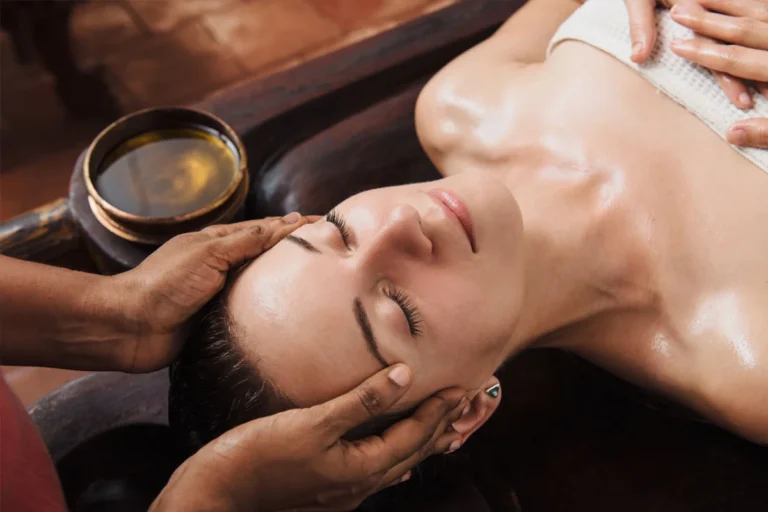
Panchakarma is perhaps the most famous offering in the Ayurvedic repertoire, yet it is frequently misunderstood. It is not merely a spa treatment or a singular detox; it is a clinical process of deep tissue cleansing. To be effective, it must be executed in three distinct, chronological stages.
Stage 1: Purvakarma (The Preparatory Phase)
Before the body can release deep-seated toxins, it must be prepared. Purvakarma is the foundational stage where the practitioner works to kindle the agni (digestive fire). This might involve specific dietary adjustments, such as the use of ginger pickles or warm water, tailored to the patient’s digestive capacity.
Concurrently, the body undergoes internal oleation. By consuming medicated ghees or specific herbal oils, the tissues are lubricated from the inside out. This process serves to loosen toxins, effectively "unsticking" them from the deep tissues so they can be mobilized into the digestive tract for elimination.
Stage 2: Pradhanakarma (The Five Actions)
This is the core of the process, from which the term "Panchakarma" (literally "five actions") is derived. Each of these five techniques targets specific systems and doshas:
- Virechana (Purgation): Targeting the small intestine, liver, and gallbladder, this process uses mild laxatives to flush excess pitta from the system. It is highly effective for inflammatory conditions.
- Basti (Medicated Enema): This technique addresses the colon, the primary seat of Vata dosha. By introducing herbal teas or oils into the colon, the practitioner can nourish the intestinal walls and address systemic imbalances at their source.
- Vamana (Emesis): Used sparingly and only under strict supervision, this process pulls excess Kapha from the stomach. It is a highly specialized kriya for specific respiratory and digestive ailments.
- Nasya (Nasal Administration): By applying specialized oils to the nasal passages, practitioners can address imbalances in the head and neck, offering relief for brain fog, sinus congestion, and memory issues.
- Raktamoksha (Blood Cleansing): Historically involving the use of leeches, this method aims to clear toxins from the blood. While less common in modern U.S. clinical settings, alternative methods are employed when necessary to ensure the blood—the vehicle for prana (life force)—is purified.
Stage 3: Paschyatkarma (The Rejuvenation Phase)
The final stage is perhaps the most overlooked by those seeking "quick fixes." After the rigors of detoxification, the body is left in a vulnerable state. Paschyatkarma focuses on rebuilding and rejuvenation. The practitioner designs a post-cleanse regimen that includes specific diets and lifestyle habits intended to stabilize the digestive system and nourish tissues, ensuring that the body returns to a state of sustained vitality.
Supporting Data and Clinical Implications
The efficacy of Panchakarma is predicated on the synergy between these stages. Clinical data suggests that when detoxification is performed without the correct Purvakarma (preparation) or Paschyatkarma (rejuvenation), the body may experience excessive fatigue or a rebound effect where symptoms return with greater intensity.
The primary implication for patients is clear: the success of an Ayurvedic intervention is directly tied to the customization of the protocol. A practitioner’s ability to modify the type of ghee, the specific herbs in a Basti, or the duration of a Nasya treatment is what separates a generic wellness program from a truly transformative healing experience.
Official Perspectives on Professional Standards
As Ayurveda gains mainstream popularity, the distinction between a "spa experience" and a clinical practice becomes critical. Professional organizations and educational institutions, such as the California College of Ayurveda, emphasize that the field requires rigorous training.
"The individualized approach is key to a successful Panchakarma," notes Nishita Shah. For those seeking treatment, the recommendation is to research the background of the practitioners and the facilities they operate within. A reputable center will not offer a "cookie-cutter" Panchakarma; instead, they will require an intake evaluation that honors the patient’s unique history and current physiological state.
Implications for Future Wellness
The rise of personalized medicine in the West, which now utilizes genomic sequencing to create specific drug protocols, mirrors the ancient Ayurvedic wisdom of treating the individual rather than the disease. As we move toward a future where healthcare is increasingly data-driven and personalized, the lessons of Ayurveda remain more relevant than ever.
By prioritizing the root cause of an imbalance, the practitioner does more than treat a patient—they educate them. They provide the tools for long-term health, shifting the burden of care from a cycle of reactive symptom management to a proactive state of balanced living.
For those interested in exploring this path, whether through professional training or personal healing, resources are available to ensure the journey is grounded in authentic, safe, and effective practices. Whether visiting a dedicated facility like the SoHum Mountain Healing Resort or enrolling in an accredited program, the message remains the same: healing is a personal journey, and it deserves a personal guide.
For more information on education programs that train practitioners in these ancient arts, visit the California College of Ayurveda.