





4 June, 2026
In an unprecedented show of unity, the European Respiratory Society (ERS), alongside a formidable coalition of nearly 500 health organizations, researchers, patient advocates, and academics, has issued a stark ultimatum to the European Union’s leadership. As negotiations regarding the next Multiannual Financial Framework (MFF)—the EU’s long-term budget—reach a fever pitch, this diverse collective is demanding that public health be formalised as a primary strategic pillar of the Union, supported by a dedicated, ringfenced financial commitment.
The joint letter, addressed to European Commission President Ursula von der Leyen, European Council President António Costa, and the governments of EU Member States, serves as a direct challenge to the current trajectory of EU policy. The coalition argues that the EU’s ambition to bolster its economic competitiveness, resilience, and geopolitical security is fundamentally flawed if it neglects the bedrock of any successful society: a healthy population.
The Core Mandate: Why Health Must Be a Strategic Priority
At the heart of this advocacy campaign is a fundamental re-evaluation of how the EU defines "competitiveness." For years, European budgetary discussions have been dominated by industrial policy, defense, and digital transformation. The health community, however, contends that these objectives are inextricably linked to the physical and mental well-being of the workforce and the citizenry.
The coalition argues that "health is not a luxury; it is a human right." By failing to secure a dedicated budget, the EU risks allowing health to slip further down the political agenda—an error that could have generational consequences. As the Union navigates a post-pandemic era defined by climate instability, aging demographics, and emerging health threats, the signatories insist that health spending must be viewed as an investment in stability, not merely a cost to be managed.
Chronology: A Timeline of Advocacy and Negotiations
The push for a ringfenced health budget did not materialize overnight. It is the culmination of months of sustained pressure and strategic maneuvering within the corridors of Brussels.
- Early 2026: As the European Parliament began its deliberations on the post-2027 MFF, health advocates intensified their lobbying efforts, highlighting the vulnerabilities exposed by recent global health crises.
- Spring 2026: The European Parliament adopted a landmark position, throwing its weight behind the health community’s demands. Members of the European Parliament (MEPs) proposed an initial investment of €10 billion specifically earmarked for health, signaling a potential shift in the EU’s fiscal priorities.
- Late May 2026: Preparations for the joint letter were finalized, bringing together a cross-sectoral group of 500 organizations, ranging from medical societies to patient rights NGOs.
- 4 June 2026: The official delivery of the letter to the European Commission and Council Presidents, marking the beginning of a critical negotiation phase between the Council and the Commission.
- Future Outlook (Late 2026): The debate now moves to the European Council, where Member State representatives will determine the final shape of the budget. The health community’s focus is now squarely on swaying individual national governments, some of which have signaled support, while others remain hesitant to increase fiscal commitments.
Supporting Data: The Economic Cost of Inaction
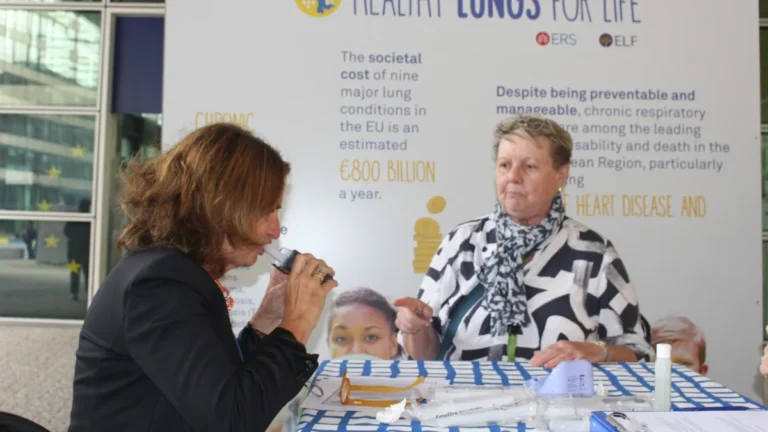
To support their call for funding, the coalition relies on compelling data that links public health outcomes to macroeconomic performance. According to World Health Organization (WHO) figures cited by the ERS, Europe loses an estimated €442 billion in annual productivity due to avoidable deaths linked solely to non-communicable diseases (NCDs).
The Burden of Non-Communicable Diseases
NCDs—such as respiratory conditions, heart disease, and cancer—represent the greatest strain on the European economy. When individuals suffer from preventable illnesses, the economic impact extends far beyond the direct cost of medical treatment. It encompasses:
- Lost Workforce Participation: Decreased labor force participation due to premature death or chronic illness.
- Reduced Productivity: "Presenteeism" and reduced performance among the working-age population.
- Informal Care Costs: The economic burden placed on families and caregivers, which often forces caregivers to reduce their own working hours.
The coalition argues that a €10 billion investment is a pittance compared to the massive losses incurred by systemic neglect. By prioritizing prevention and robust health infrastructure, the EU could catalyze a "health dividend," returning significant value to the European economy through a more resilient and capable workforce.
Official Responses and Expert Insights
The advocacy campaign has been characterized by strong, unequivocal messaging from leaders in the medical and scientific community. Prof. Barbara Hoffmann, Chair of the ERS Advocacy Council, has emerged as a key voice in this movement.
The "Cost of Inaction"
In her commentary regarding the current negotiations, Prof. Hoffmann warned that the price of indifference is rising. "Spending for health and prevention may seem significant now, but the cost of inaction will be much higher in the future," she noted. Her remarks highlight a growing frustration within the medical community that policymakers often view healthcare spending through a short-term lens, failing to account for the compounding interest of poor health outcomes on public coffers.
Parliamentary Alignment
The support from the European Parliament is a significant victory for the coalition. By proposing the €10 billion earmark, MEPs have effectively bridged the gap between civil society advocacy and legislative action. However, the coalition remains cautious. The European Council—the body representing Member States—remains the ultimate arbiter, and the "national interest" often acts as a counterweight to the pan-European health strategy advocated by the Parliament.
Implications for the European Union
The outcome of these MFF negotiations will define the scope of the EU’s influence on health for the next seven years. The implications are far-reaching and touch upon several critical areas of European life:
1. Sovereignty and Security
In the modern era, health security is national security. The COVID-19 pandemic demonstrated that when supply chains for medical equipment or pharmaceuticals are disrupted, the entire European project is at risk. A dedicated budget would allow for the development of strategic stockpiles and a more integrated approach to pandemic preparedness, reducing reliance on non-EU entities.
2. Social Cohesion
Health inequalities remain a significant barrier to social cohesion within the EU. A ringfenced budget would allow for targeted investments in underprivileged regions, ensuring that the standard of care is not a postcode lottery. This is essential for the legitimacy of the Union, as citizens expect the EU to protect their fundamental interests, regardless of their location.
3. Sustainability and the "Green Transition"
The health community is also linking their cause to the European Green Deal. Air pollution, which causes a staggering number of respiratory illnesses, is a primary driver of health costs. Investing in health and prevention naturally dovetails with environmental initiatives, creating a synergy that could improve both the planet’s health and the population’s longevity.
A Crossroads for European Policy
As the debate intensifies, the message from the 500 organizations is clear: the EU cannot achieve its ambitious goals for the 2030s and beyond if it continues to treat health as an afterthought. The demand for a ringfenced budget is not merely a request for more funding; it is a request for a fundamental shift in philosophy.
The European Council now faces a difficult decision. Should they follow the lead of the Parliament and the health community, they will be setting a precedent for a more human-centric union. Should they refuse, they risk presiding over a future where the European economy is perpetually drained by the preventable consequences of a crumbling public health infrastructure.
The coalition’s letter is not just a plea; it is a warning. With productivity losses in the hundreds of billions, the economic case for health is stronger than ever. As the negotiations progress through the remainder of 2026, the ERS and its partners will continue to keep the pressure on national governments, ensuring that the health of European citizens remains at the very top of the political agenda.
The stakes could not be higher. As Prof. Hoffmann aptly stated, "I urge EU leaders and Member States to take this opportunity to play their part in protecting the future health of European citizens." The coming months will reveal whether the EU possesses the political courage to prioritize the well-being of its people over the narrow, short-term budgetary constraints of the past.